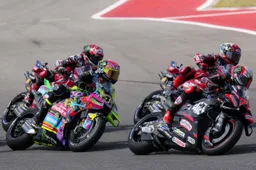
It was the nineties, the years of Omar Camporese, Renzo Furlan and Andrea Gaudenzi as tennis protagonists, but also of Loris Capirossi, Max Biaggi and Valentino Rossi.
People talked about tennis, but the show and the sponsors were all in the Motorcycle World Championship. The 125 and 250 had the same importance as the 500 class. Since 2020, Gaudenzi has been at the helm of the ATP. After years without results, Italian tennis has exploded with Sinner, but not only him. Musetti, Paolini, Cobolli, Darderi, Berrettini & company also have a big following. Tennis has become the national sport, Formula 1 is hugely followed, and motorcycling?
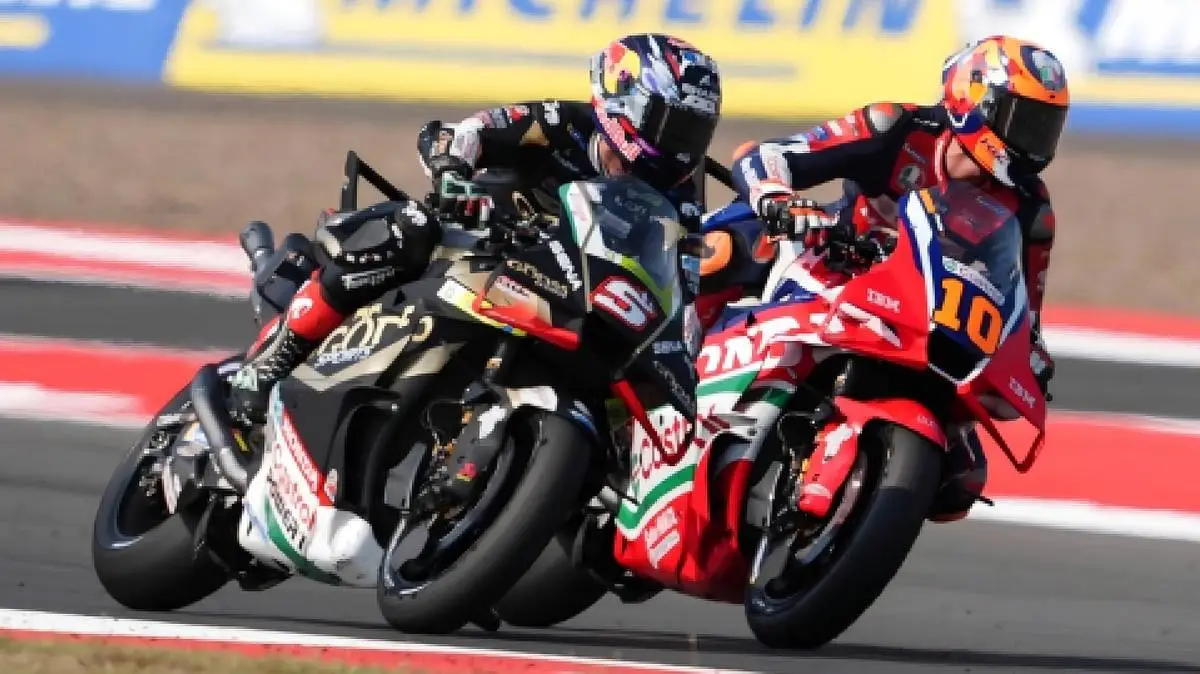
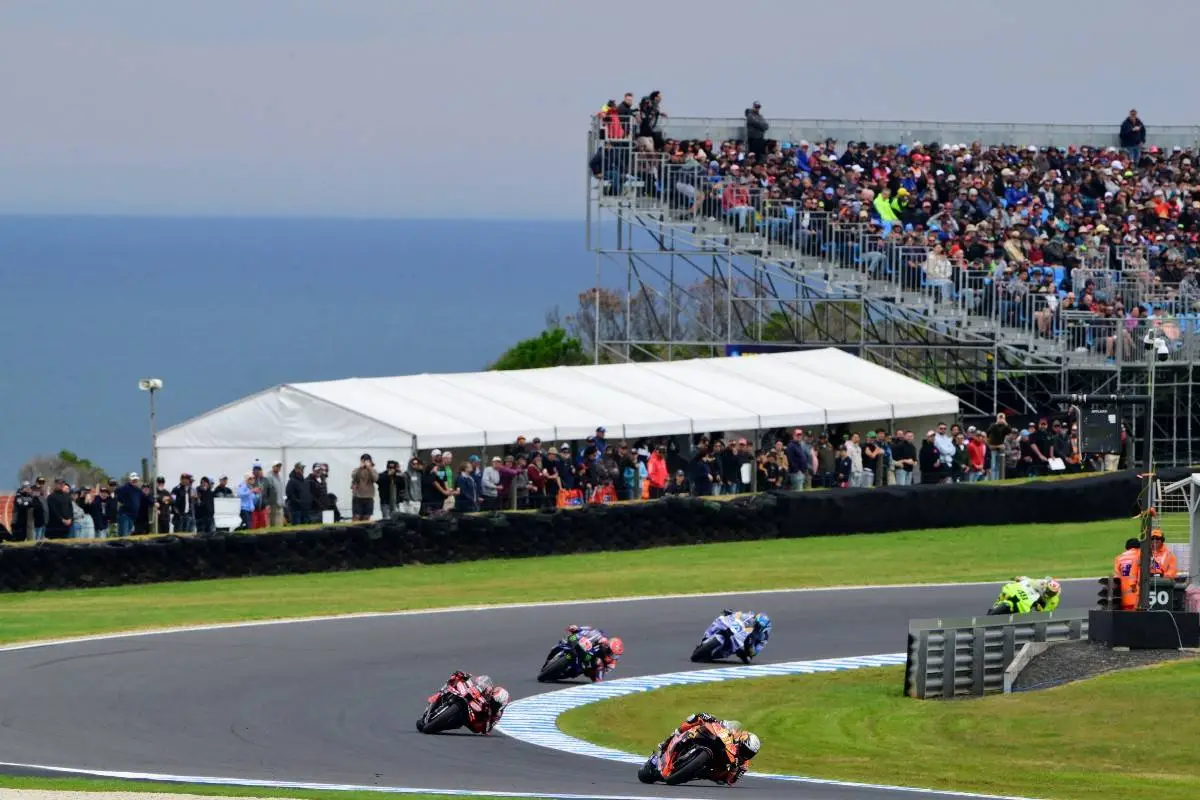
MotoGP is holding up, but the lower classes are in free fall. In the premier class, the Bezzecchi–Aprilia pairing works. Bez is a compelling character and comes across on screen far more than Pecco Bagnaia ever did: that’s a fact. Moto3 and Moto2, on the other hand, get very little coverage. TV ratings are consistently lower than those of Superbike which, with Bulega leading on Ducati, is doing fairly well.
Guido Pini won the Moto3 Grand Prix of the Americas, he is one of the contenders for the World title but is practically unknown. He has just 21,000 followers on Instagram, clearly fewer than an Italian tennis player ranked 140th in the world. With Liberty Media, the outlook doesn’t appear rosy.
We discussed it with Stefano Bedon, Project Manager of the REDS Fantic Racing team, one of the squads that has undergone the most changes with the arrival of the new owner, the Frenchman Eric de Seynes.
“These are tough times for Moto3 and Moto2,” begins the Venetian manager, “costs keep rising and visibility is dropping. For example, on Sky they no longer air the parc fermé interviews; as soon as the race ends, they immediately switch to MotoGP: attention is waning. These classes, however, are important because they are the final milestone reachable by those who started a journey many years before. We are the university of motorcycle racing. Once you get your degree, there’s room for only a very select few, but MotoGP is now a different world. Very few make it to the premier class, and it’s not always those with the most talent who get there—there are other factors at play.”
Your passport is now more important than your talent—that’s common knowledge. Meanwhile, costs are soaring across all classes, including MotoGP. In the top class, moreover, the focus is on the front-runners, and it can happen that factory team riders are never shown on camera; it’s the law of show business but also of sport: the winner takes it all, visibility included, while the costs remain the same.
What’s more, the paddock is quite closed, and while in Superbike anyone can buy a large package of passes and organize a great event with their sponsors and clients, in the World Championship it’s much more complicated—almost impossible. This is why, in recent years, a different model has been emerging among teams. No longer based solely on sponsorships, but also on manufacturers with a direct interest, like CF Moto, or on affluent enthusiasts capable of bearing the financial weight of a racing season at this level.
“We can now count on a great enthusiast and professional like Eric de Seynes,” says Stefano Bedon, “who was President of Yamaha and enjoys great prestige in our world. Eric is creating a major center in Vidame, France, to develop and promote riders and technicians not only from across the Alps. We feel part of this project; we’re the fifth year of university, and we’ll help award the degrees to the most deserving.”
Continue reading
You might also like
More news
Popular articles
Loading