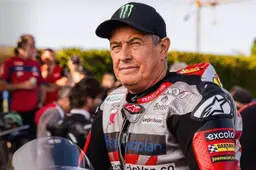
Forget MotoGP’s mega salaries: at half a billion, Max Verstappen is the real Scrooge McDuck
Paolo Gozzi Column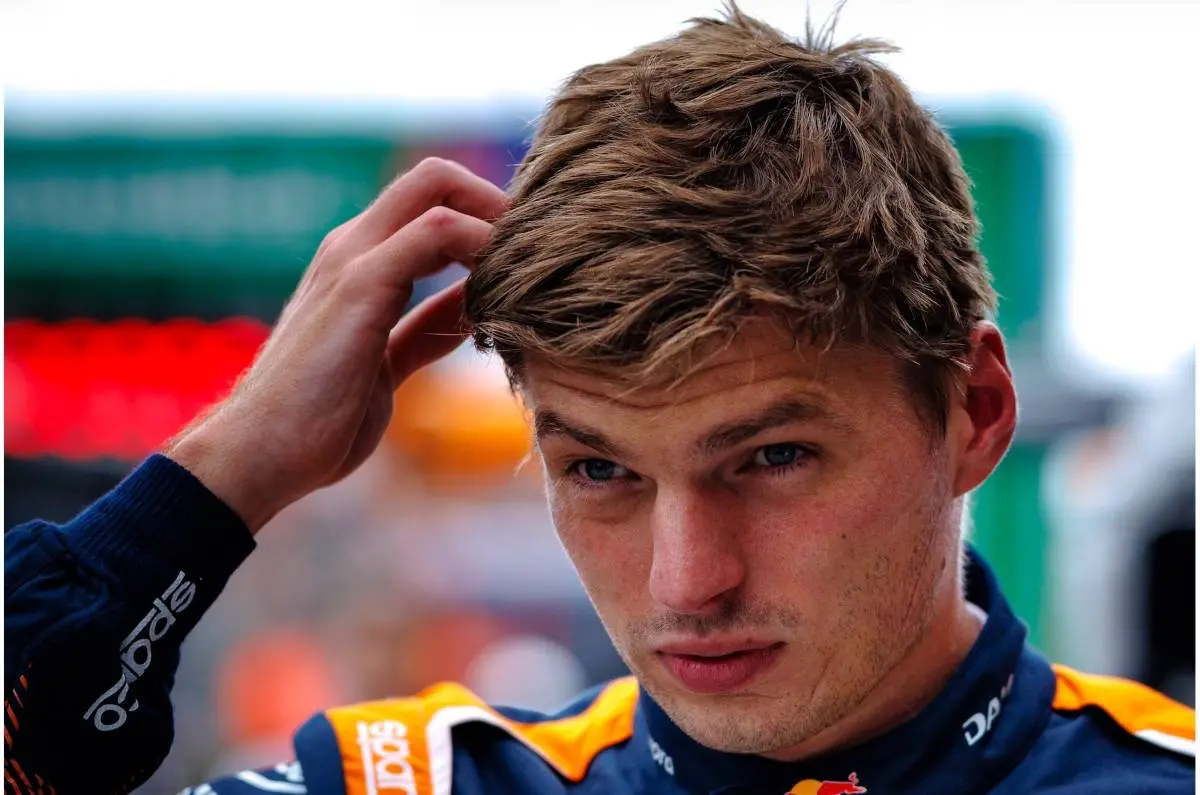
Too much money for just one rider? Among motorcycle racing fans, it’s often debated whether Marc Marquez’s twelve million a year, plus bonuses, isn’t a crazy figure. So what should we say about the pharaonic renewal landed by Max Verstappen in F1? The Dutch superstar could buy all of MotoGP!
One hundred million (dollars) per season for the next four years: yes, you read that right, that’s the monstrous deal Max Verstappen has reached to stay with Red Bull (at least) until 2030. On top of that amount come prizes and bonuses, so in the Formula paddock they reckon the signature could be worth half a billion dollars. SuperMax was already traveling at sky-high numbers, and now, by staying loyal to the team that launched him back in 2015, he’s practically doubled the stakes. Verstappen cleverly leveraged the advances from Mercedes, McLaren and even Aston, the latter favored both by having an unlimited budget and by the presence at the technical helm of Adrian Newey, the genius to whom the driver owes his four World Championships.
Among these competitors, Red Bull is the only one that, not being an automaker, can easily grant Max Verstappen the possibility to race in other categories with different brands. The unmatched financial clout of the world-leading energy drink producer did the rest. This pharaonic contract makes motorcycle riders’ salaries pale in comparison, even the highest paid ones.
Marquez and Quartararo are the richest in MotoGP
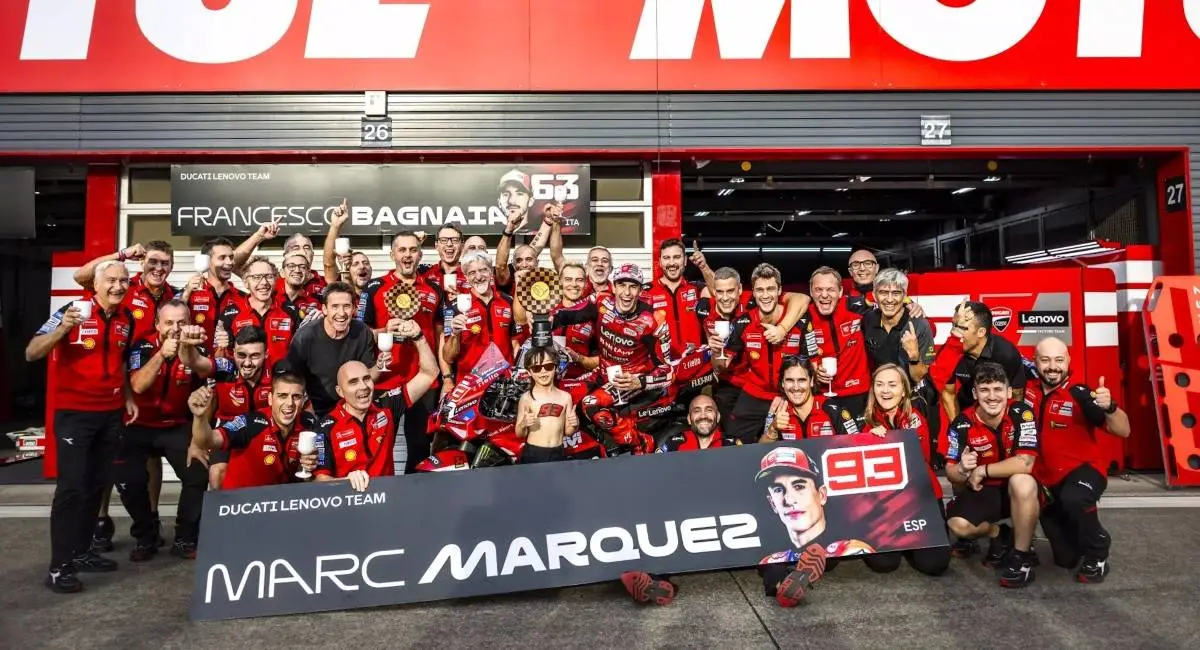
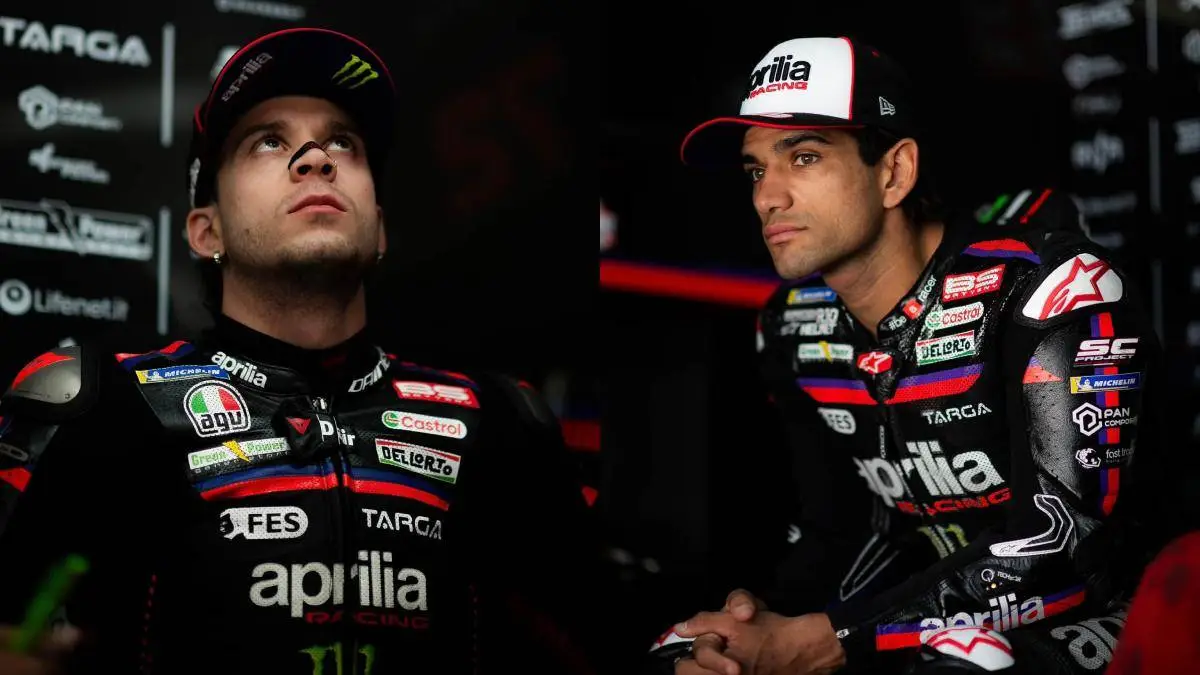
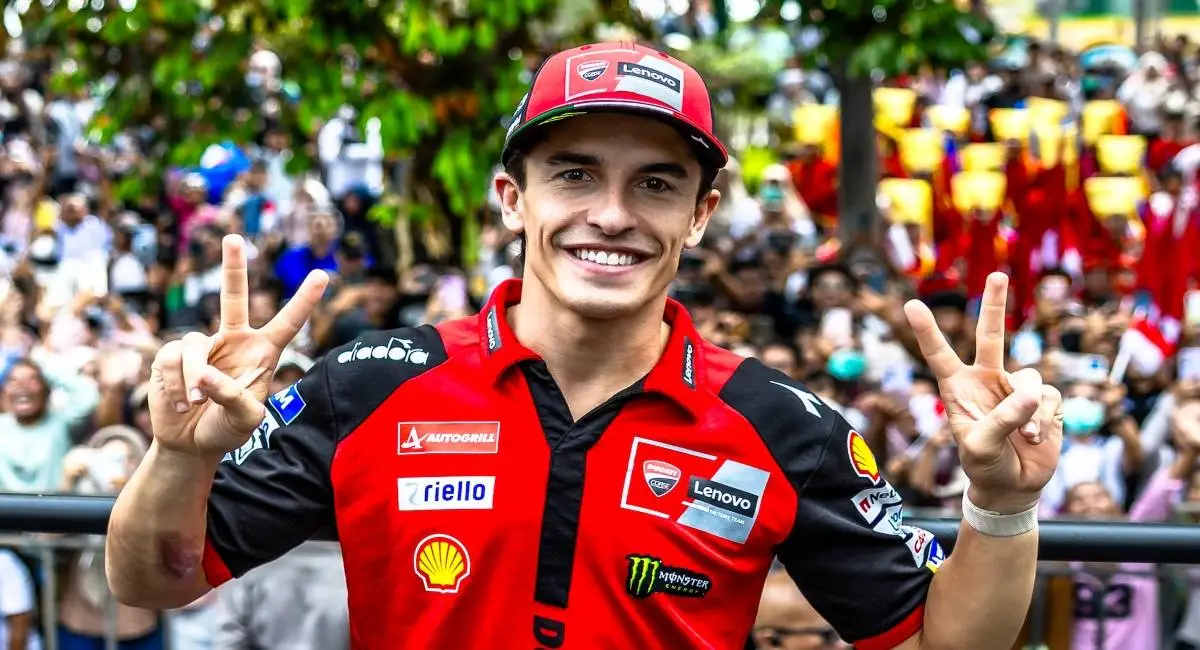
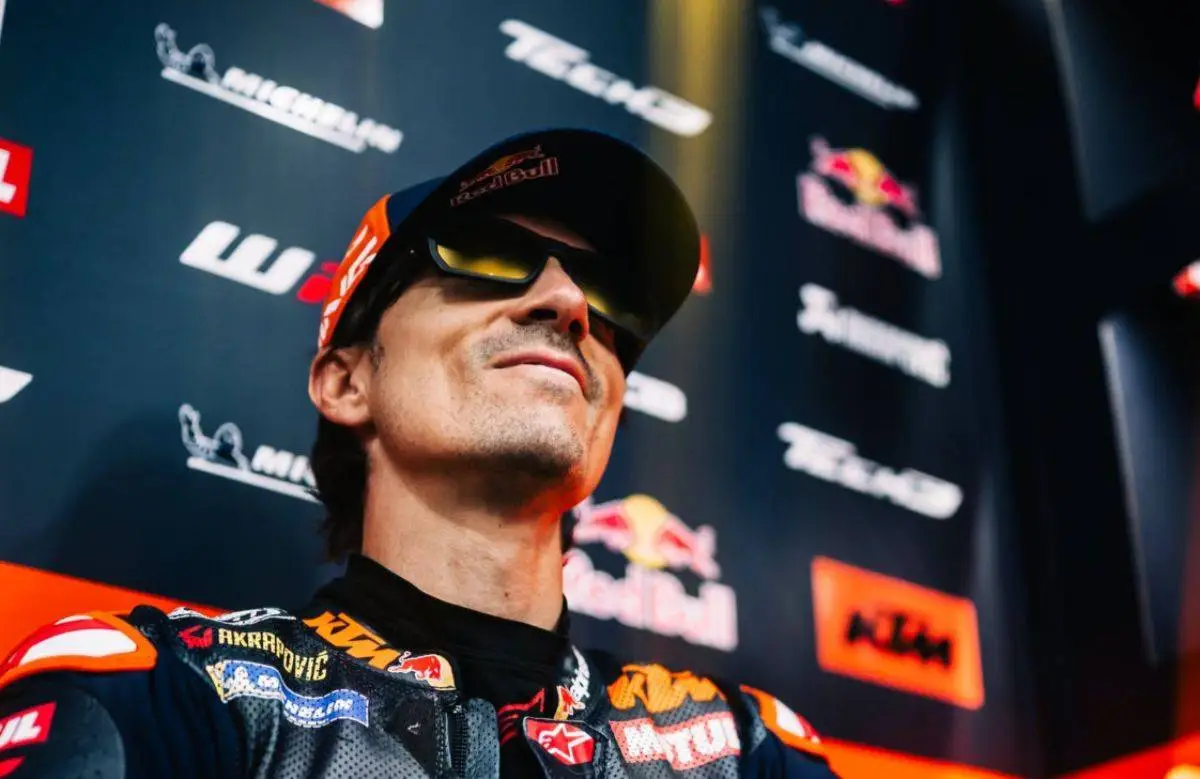
In the triumphant 2025 season, in addition to the €12 million salary, Marc Marquez also pocketed a nice nest egg in prizes and bonuses, reaching a total of €16–17 million: considering that MotoGP runs 22 GPs, that’s about €750,000 each. By comparison, Verstappen in 2027 will take home over €2 million for each of the 24 Formula 1 Grands Prix. In our paddock, Fabio Quartararo isn’t doing badly either: to stay with Yamaha, the least competitive bike of the bunch, he demanded ten million per season. As they say: “I cry over the results, but I laugh a lot when the wire transfers arrive.” Also on the podium of the highest paid is Pecco Bagnaia, who earns €7 million at Ducati: starting next year at Aprilia he’ll surely get a bit less, considering that Jorge Martin is currently around four. Among the disappointments of 2026 stands out the salary KTM pays Maverick Vinales: four million, like the superstars. This situation helps you understand why the Spaniard, even without a ’27 ride, has explicitly ruled out the Superbike option: he knows full well that no one there could even come close to such a budget, so he might as well wait it out. At the lower end, there are Pedro Acosta, just over a million, and Alex Marquez, who at Gresini Racing probably doesn’t even reach that. They’ll make up for it next year with checks from Ducati and KTM.

And in Superbike?
There was a time, about twenty years ago, when the production-derived series also saw impressive salaries, several million per season. In recent years only Toprak Razgatlioglu cashed in good money at BMW: €2.5 million in the last season, 2025. His successors Miguel Oliveira (one million) and Danilo Petrucci (€600,000) split half of that between them. Ducati in particular pushed valuations downward: in 2026 Nicolò Bulega secured €700,000, but only because Razgatlioglu’s departure in the summer a year earlier had opened negotiations with BMW that Ducati Corse necessarily had to match. The effort was needed to avoid losing a rider of interest for a future MotoGP move, as later proved true. Iker Lecuona settled for €150,000 just to get on the most competitive bike: he will have wrung out a bit more in the recently announced two-year renewal.
Formula 1 sponsorship is worth ten times MotoGP
The value of the riders’ contracts naturally mirrors the different positioning of Formula 1, the sporting pinnacle of the global automotive industry, and MotoGP, which is the top of motorcycle racing. The gap is substantial and is set to remain so, also because it’s reflected in track attendance, TV rights revenues, and sponsorships. In particular, for the latter, the ratio between the two worlds can be gauged at roughly 1:10. A top sponsor in F1 is worth €60–70 million, in MotoGP €5–6 million: this marketing landscape mirrors exactly the salaries of their respective riders.
-> Follow us on Instagram: @Corsedimoto
Continue reading
You might also like
More news
Popular articles
Loading