Superbike: Here’s why the World Championship will adopt a single-spec fuel
SuperbikeSaturday, 01 August 2026 at 10:21
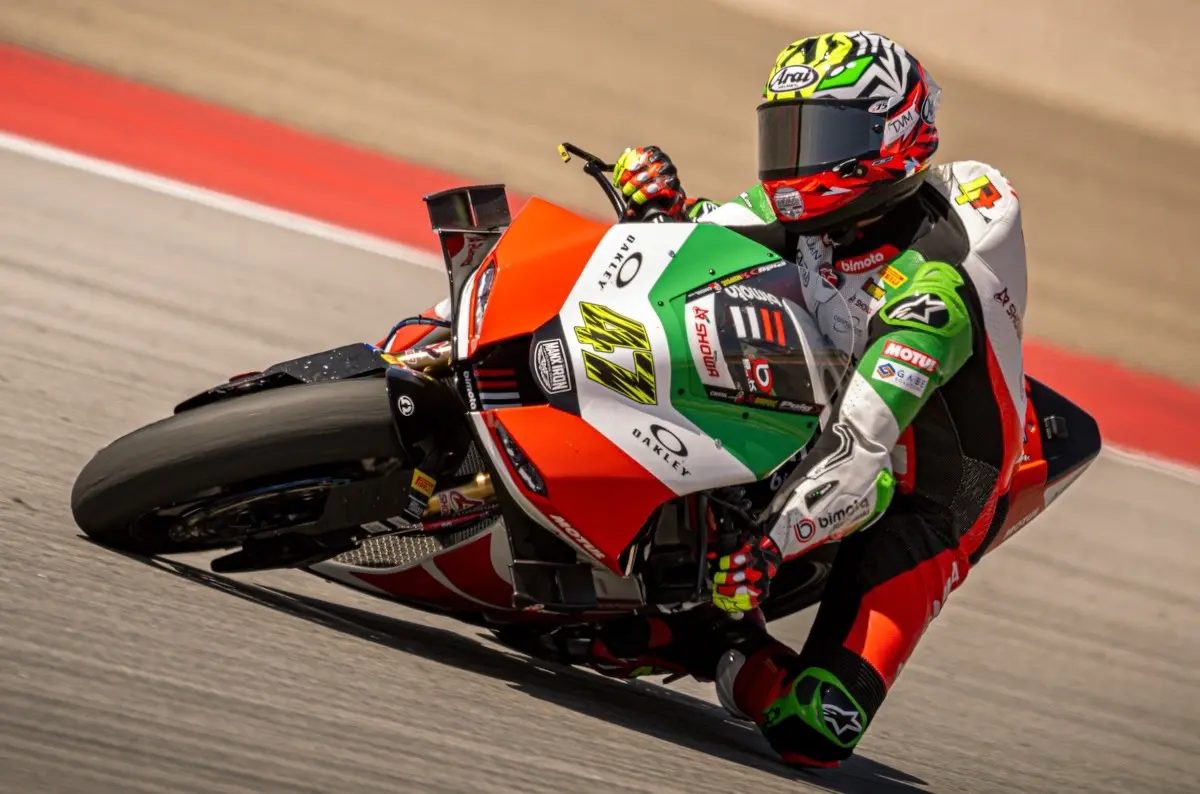
In the “road map” that Superbike has outlined for 2027–2030 there is also the adoption of a single fuel supplier. At first glance it looks like a cost-containment measure, but there’s much more behind it...
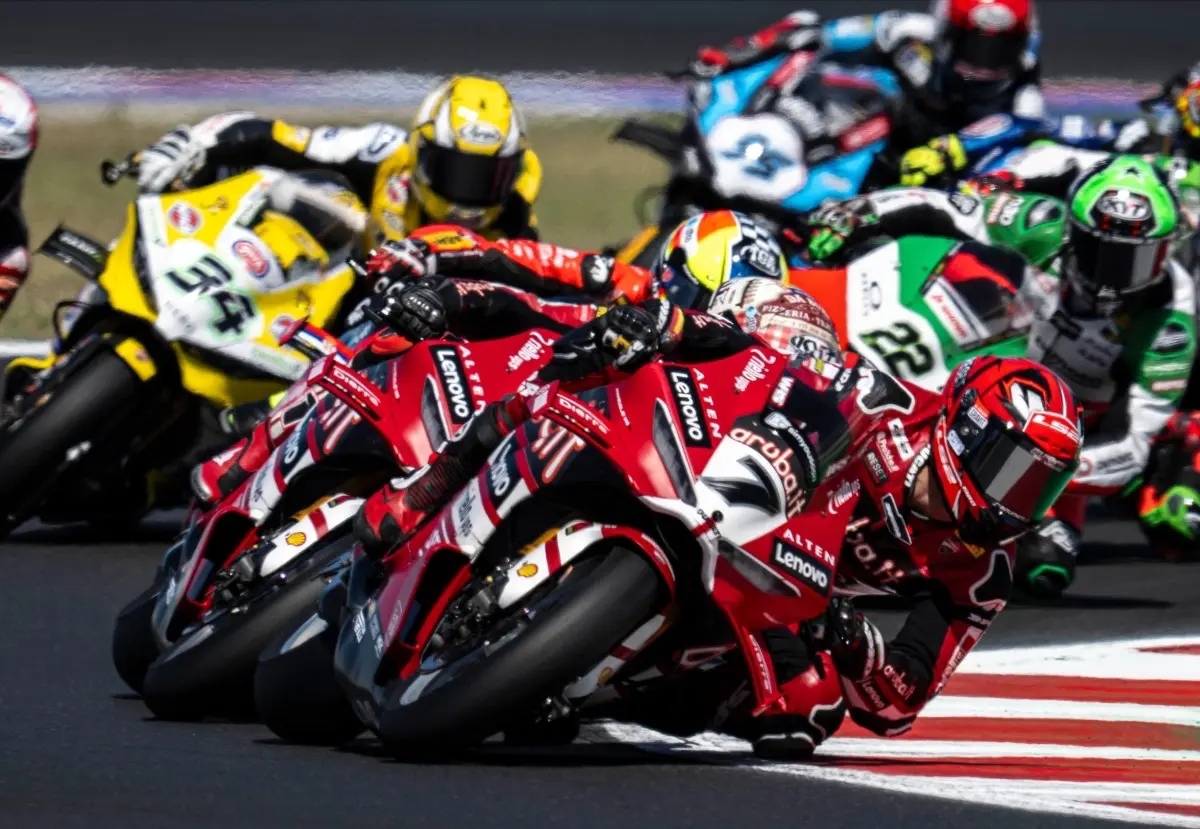
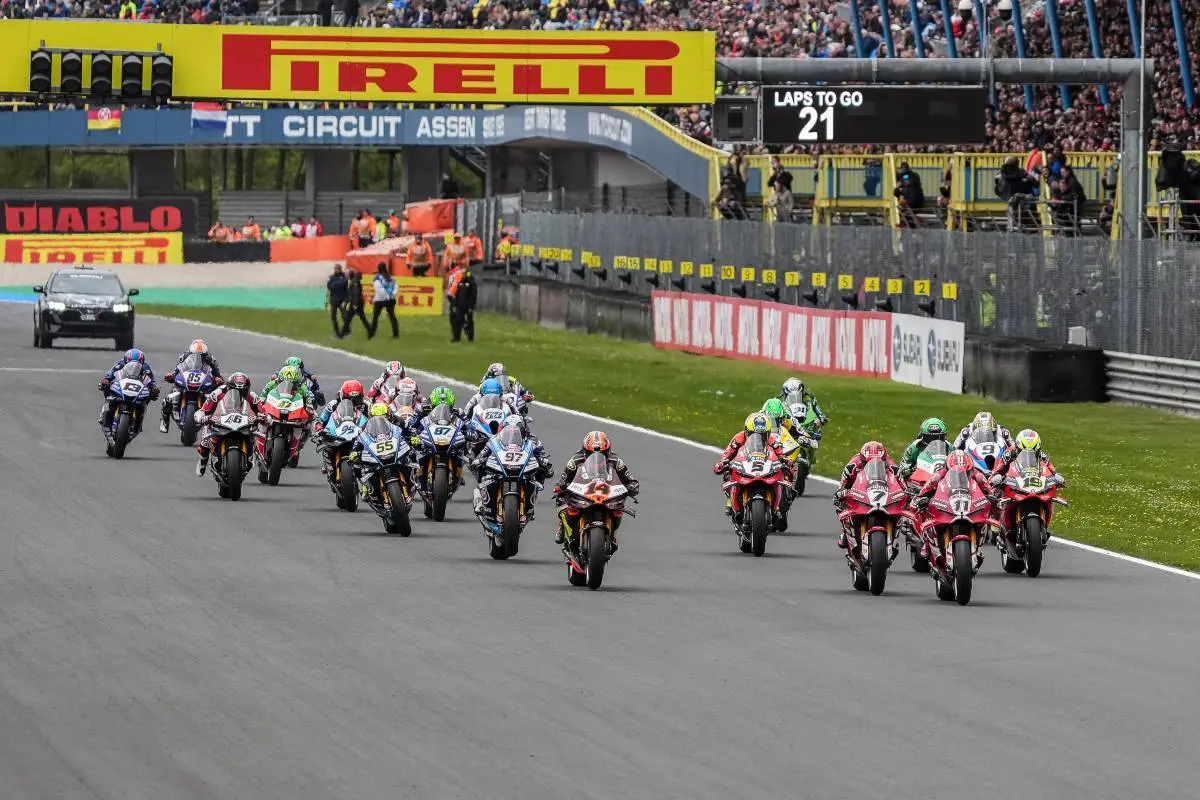
The adoption of fuel flow control, introduced in 2025, was intended by FIM stewards to balance performance between models that, in this era, have very different baseline characteristics and market prices. However, the measure hasn’t worked in the slightest. This season the Ducati Panigale V4 has won every race (24 out of 24), and even privateers, with the same technical package, can easily pull away from the factory BMW, Kawasaki, Honda, and Yamaha bikes. All this despite Ducati’s fuel flow having been cut several times, down to the current limit of 44.5 kilograms/minute, below which you can’t go without jeopardizing engine mechanical integrity. Yamaha and Honda, for instance, have the flowmeter set at 46.5 kilograms/hour, and yet they’re still left embarrassingly behind.
Ducati’s secret
How did Ducati’s engineers get around the rule? The secret lies in the use of special fuels with an extremely high energy content, meaning the energy density that the fuel releases. So even with less flow, the Panigale V4 R hasn’t lost performance. The other manufacturers use it too, of course, but only Ducati drew the joker. The downside is cost: these fuels are expensive, even 20–30 euros per liter. Over a World Championship round, each rider, between free practice, qualifying, and three races, covers 500–600 kilometers. Superbike fuel consumption varies greatly depending on the characteristics of the different circuits and also from rider to rider, but it can be estimated at about 6 kilometers/liter. So the amount needed per rider is about 80–100 liters per event. It’s a relative cost for a factory team, but it has a certain impact on privateers. That’s why the fuel issue has become topical in the paddock, as Denis Sacchetti, team manager of Go Eleven, also mentioned in our recent interview (read here)

Cost has little to do with it
Adopting a single fuel supplier will help keep costs in check, but the reason this path was taken is more technical. By effectively preventing the use of high-energy fuels, the International Federation’s stewards are convinced that fuel flow regulation will truly help balance performance, reining in the most competitive bike—that is, Ducati, the current dominator.
Cops and robbers
Insisting on performance balancing by using two rule systems that have not worked in the past—namely the maximum rev limit imposed by regulation and the flowmeter—may seem a bizarre strategy: we discussed it here. But the FIM’s bet is to follow the exact same path as Formula 1, where fuel flow regulation is set according to revs. From a technical-engineering standpoint it’s a mix that makes sense and could work. However, doubts remain, because instead of simplifying the method of balancing performance, a sort of arms race is being unleashed between manufacturers and the sporting authority. We’ll see who wins the battle on track starting in 2027. But the feeling that this is the wrong path remains regardless of the technical outcome.
-> Follow us on Instagram: @Corsedimoto
Continue reading
You might also like

More news

Popular articles
Loading