Engine revs, fuel, concessions, and displacement: the Superbike World Championship looks to change
SuperbikeFriday, 31 July 2026 at 11:50
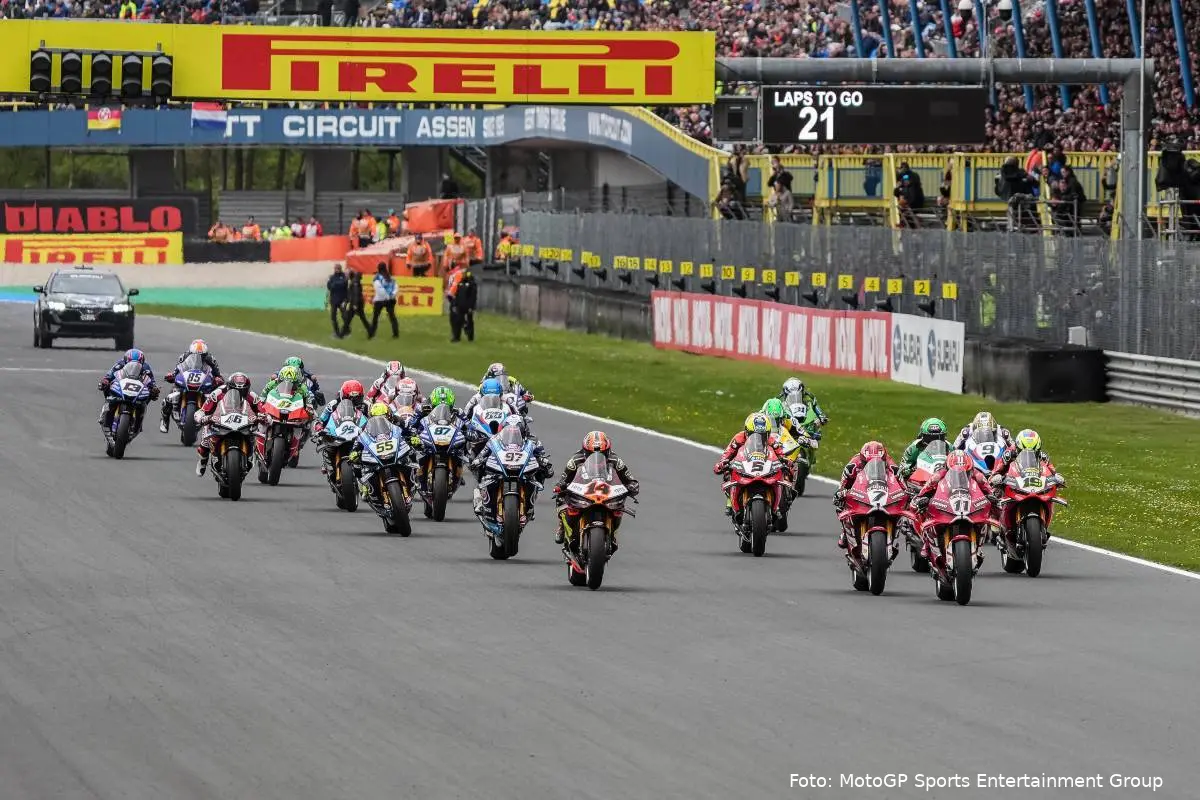
Some news has been announced regarding the future production-derived championship: here’s what it’s about.
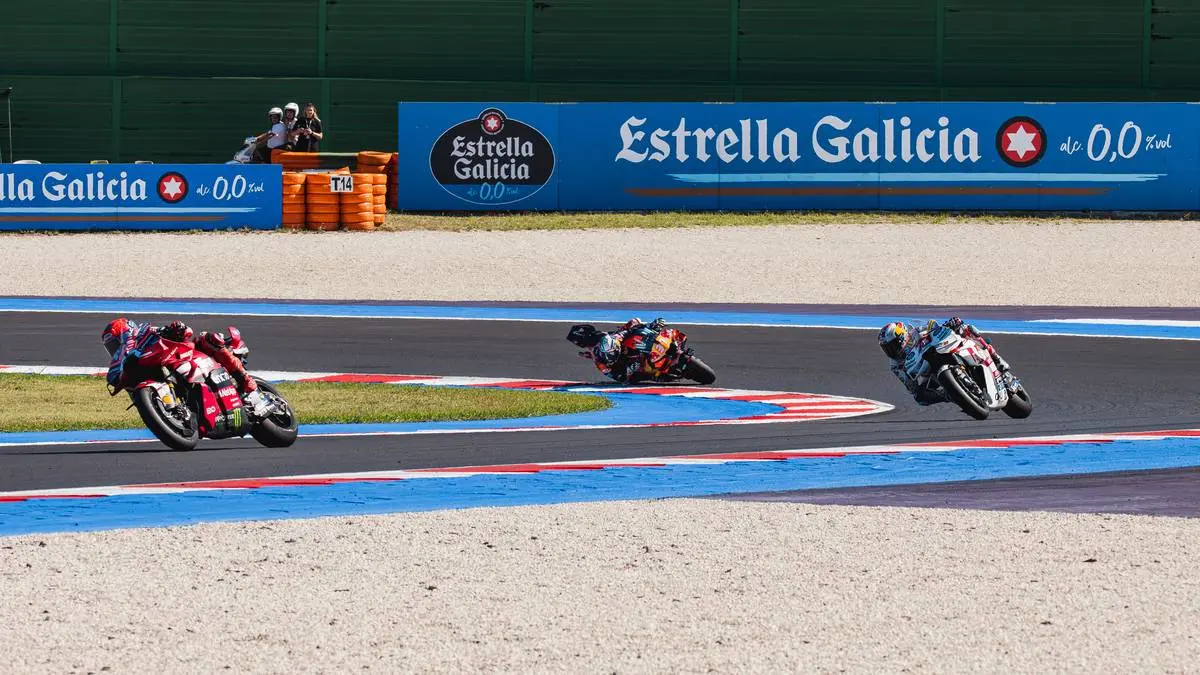
Changes to the regulations have long been discussed to make the Superbike World Championship more interesting. The 2026 season, dominated by Ducati, with less spectacular races and virtually disarmed competition, led to discussions among all stakeholders on how to change the situation. The Superbike Commission met at Donington Park and made important decisions for the future, tackling central topics.
Superbike World Championship: the 2027–2030 roadmap
a) For 2027, a manufacturer-specific rev limit will be introduced in combination with a fuel flow limitation.
The manufacturer-specific rev limit will be adjusted in increments and decrements of 500 rpm. The rev limit will be controlled by the manufacturer’s software and monitored by the FIM/DWO rpm logger. The rev limit will be reviewed every 2 rounds. The initial data will be based on each manufacturer’s rpm.
b) For 2027, fuel will be supplied by the single fuel supplier designated for the FIM Superbike World Championship and must comply with the FIM Fuel Category 1 requirements.
c) For 2027, a 3 dB reduction of the noise limit, moving to 112 dB.
d) For 2028, a new system of ranked concessions was discussed and will be introduced in 2028 with a reformulation of the definition of ranks.
e) For 2030, the engine displacement limit will be extended to 1200 cc – 4 cylinders.
SBK, what will change?
For 2027, the goal is certainly to try to achieve better balance of performance across the Superbike grid. Attempting to obtain it by regulating only fuel flow has not worked in recent years, so they are looking to reintroduce a system that provides for increases and decreases in engine revs. The combination of the two factors should theoretically produce a more balanced grid, which is also the aim of the new concessions system that will come into force in 2028. Details are awaited.
The decision to adopt a single fuel for all teams goes in the direction of reducing costs, an ever-important aspect in a championship where private teams often struggle to afford the expenses needed to be competitive. Denis Sacchetti, Go Eleven team manager, spoke to us about this in a recent interview with Corsedimoto. Fuel costs had become too high; action was necessary.
The decision taken for 2030 to open the SBK grid to four-cylinder bikes with displacements over 1000 cc is very interesting. We could see the entry of new brands, including Aprilia. Having more brands than the current six would make the championship even better.
Follow us on our official Instagram @Corsedimoto
Continue reading
You might also like

More news
Popular articles
Loading