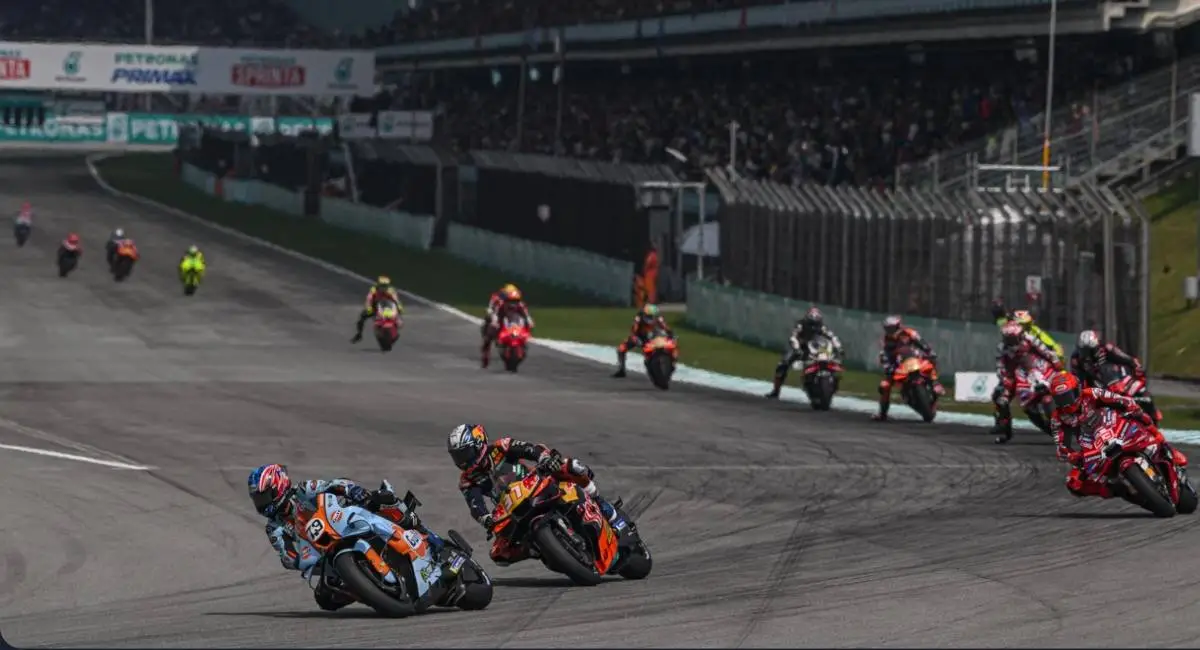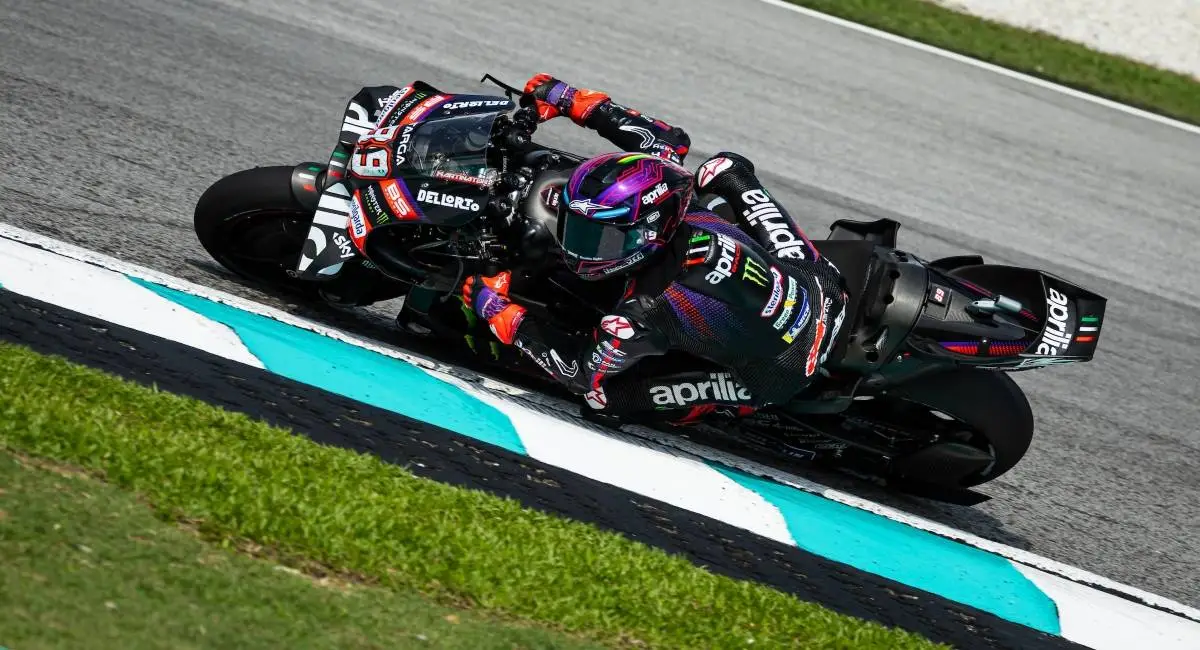
The Qatar saga has kept the spotlight on a MotoGP season that, on track, seems to have already told almost the whole story, with Marc Marquez charging towards his tenth World Championship title. Yamaha’s refusal to fly to Qatar, in a stunning move that defies the promoter’s instructions, is an unprecedented rift: what lies behind it?
Chain of command
The arrival of new owner Liberty Media will radically transform the series we have known as the Motorcycle World Championship since 1949. At present, the American company holds just under 90% of the controlling stake, but has left day-to-day operations in the hands of Dorna, the Spanish entity that has managed the Grands Prix since 1992. It’s a prudent move: the Ezpeletas—father Carmelo and son Carlos—know the lay of the land inside out and have wielded power for more than three decades, balancing the interests of the various parties: manufacturers, teams and the FIM, the International Motorcycling Federation. Things will change radically once Liberty Media acquires 100%, pushing the Spaniards out and appointing its own managers throughout the chain of command.
Next target: the MSMA
Liberty Media’s formula is simple: reshape MotoGP in Formula 1’s image. Since the Americans took over, F1 has seen its revenue, viewership and track attendance grow exponentially, becoming the richest sport on the planet. In Formula 1, the Americans wield absolute power, working hand in hand with the teams, with whom they share the spoils. The other parties are secondary: the FIA (the automobile federation) and the manufacturers.
In MotoGP, by contrast, the manufacturers currently hold considerable power, particularly when it comes to setting the technical regulations. It doesn’t work that way in F1: the promoter sets the rules directly, because they are a key lever for driving the business of entertainment. So, in the future, Liberty Media’s first move will be to take regulatory control away from the manufacturers, sidelining the MSMA, which stands for Motorcycle Sports Manufacturers' Association. It includes only companies involved in racing, and decisions can be made only unanimously.
In F1, manufacturers are of course consulted. Liberty Media considers their requests and technical trends, but ultimately makes decisions in its own interests. The regulations are drawn up by a technical commission that answers directly to the promoter, with the FIA’s approval. This model will be brought to MotoGP too: it’s only a matter of time.
Yamaha’s own goal
Yamaha’s refusal to travel to Qatar, although justified by the Japanese company’s internal policies, is politically a gift to Liberty Media. In practice, the episode shows the Americans that manufacturers make decisions based on their own interests, strategies and corporate rules—which, as in this case, do not always align with those of the party that has invested $4 billion in the Grands Prix. The promoter has the teams firmly in its grasp, thanks to contracts that guarantee them hefty sums. Indeed, in the matter dominating the headlines right now, none of the other teams has challenged the organizers, simply because doing so would have exposed them to multimillion-dollar penalties. Yamaha is under contract too, but it is a much larger, less malleable entity, especially in certain circumstances. So curbing this veto power will be one of the Americans’ first moves. The MSMA is the most vulnerable body when it comes to reshaping the balance of power in MotoGP.

-> Follow us on Instagram too: @Corsedimoto
Continue reading
You might also like
More news
Popular articles