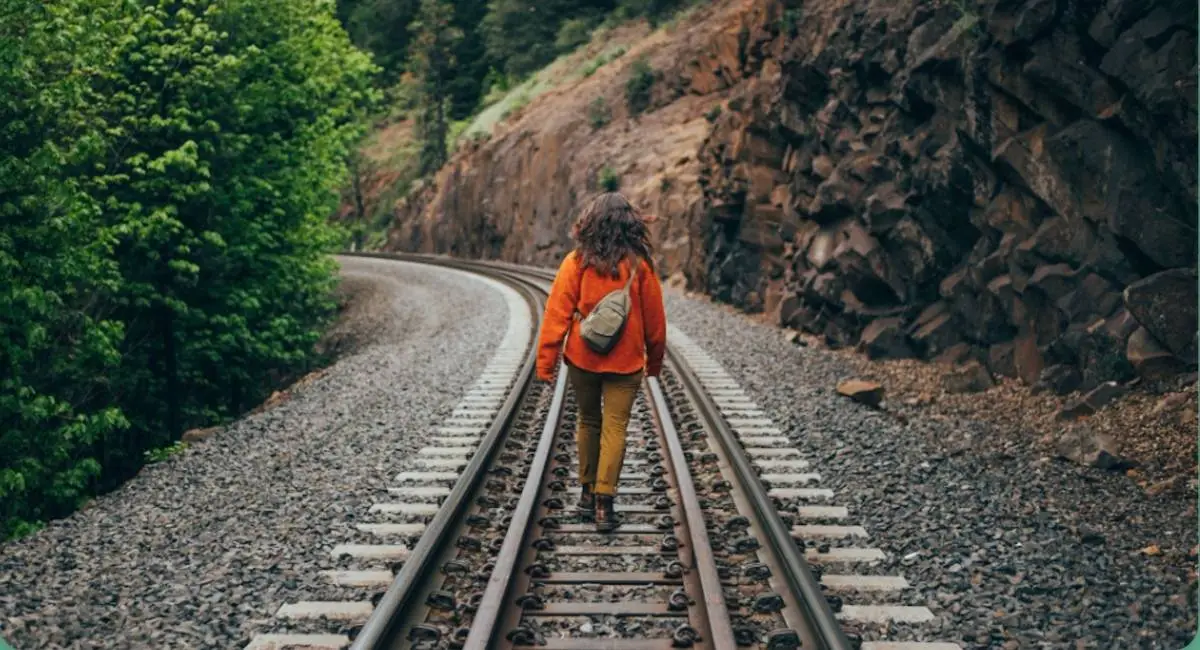
Somewhere between the third week and the third country, solo travel stops feeling like freedom and starts feeling like isolation. The novelty fades. The empty seat across the table becomes obvious. And suddenly, the trip you dreamed about for years feels strangely heavy.
This is normal. Loneliness on long trips is one of the most common complaints among solo travelers, yet almost nobody talks about it before they leave. It rarely shows up in glossy travel photos, but it shows up in almost every honest conversation with someone who has been on the road for months. Below are practical ways to deal with it, based on what actually works, not just what sounds nice in a travel blog.
Why Solo Travel Loneliness Hits Harder Than Expected
At home, loneliness sneaks up slowly. On the road, it can hit within days. Surveys of long-term travelers suggest that nearly one in three report feeling isolated or emotionally drained at some point during trips longer than a month.
Why? Because travel removes your usual social scaffolding all at once. No coworkers. No family dinners. No familiar gym crowd. What's left is you, a backpack, and a lot of unstructured time to notice how quiet things have become.
Accept the Feeling Instead of Running From It
Ignoring loneliness rarely makes it disappear; it usually makes it louder. Give yourself permission to feel off for a day or two without labeling the whole trip a mistake.
Journaling helps here more than people expect. Writing down exactly what feels wrong — is it silence, boredom, or missing a specific person — turns a vague heaviness into something you can actually address.
Build a Loose Routine, Even Without a Home Base
Humans crave rhythm, and constant movement destroys it. Anchor each day with two or three small rituals: the same time for coffee, a short walk before sunset, a nightly five-minute check-in with yourself.
It sounds almost too simple. But repeated small structure gives the brain a sense of stability that raw novelty can't provide, no matter how beautiful the scenery is.
Talk to Strangers Before You're Ready
Most solo travelers wait for the "right moment" to start a conversation. That moment rarely comes on its own. Waiting in line for a bus, sitting at a hostel bar, or asking a stranger for directions can all become the start of something.
A short exchange doesn't need to become a friendship. Even five minutes of real conversation resets your nervous system in a way that scrolling a phone never will.
Use Technology to Stay Connected, Not Just Distracted
Video calls with family matter, but they can't replace the day-to-day feeling of being seen by someone new. This is where apps are built specifically for spontaneous conversation to earn their place in a traveler's routine. On slow nights in an unfamiliar city, opening CallMeChat and having a quick, casual video chat with someone new can soften the edge of isolation faster than another hour of doom-scrolling. It’s definitely worth a look. Sometimes a short dialogue can turn into a long friendship.
The goal isn't to replace real-world contact. It's to fill the gaps — the long train ride, the rainy afternoon, the hour before a lonely dinner — with something more human than a feed of other people's highlight reels.
Choose Social Accommodation on Purpose
Where you sleep shapes how connected you feel. A private studio might sound peaceful after a long flight, but it can quietly deepen isolation over time.
Hostels with shared kitchens, co-living spaces, or small guesthouses run by an actual family tend to produce far more organic conversation than any hotel. Booking at least every third or fourth night in a social setting can be enough to break a lonely streak.
Join Something Local, Even for One Afternoon
Cooking classes, hiking groups, language exchanges, running clubs — nearly every city has some version of these, often listed on local community boards or apps. A single afternoon spent doing an activity alongside locals does more for morale than a week of sightseeing alone.
You don't need to commit to anything. Showing up once, even nervously, is usually enough to remember what it feels like to belong somewhere, briefly.
Watch for the Difference Between Solitude and Isolation
Solitude is chosen and often restorative; isolation creeps in and drains you. The line between them isn't always obvious, especially three weeks into a trip.
A rough but useful test: after time alone, do you feel recharged or hollow? If it's consistently the second one, that's the signal to actively seek people out rather than wait for the mood to pass on its own.
Keep a Thread Back Home
Long trips can quietly stretch relationships thin. A short weekly voice message to a close friend or parent, even just two minutes long, keeps that thread alive without demanding a full conversation.
This matters more than it seems. Knowing someone is still tracking your life, even loosely, softens the feeling of drifting untethered through unfamiliar places.
Give Yourself Permission to Cut a Leg of the Trip Short
Sometimes the honest fix isn't a new coping strategy — it's changing the plan. If a location or pace is clearly making things worse, adjusting the itinerary isn't a failure.
Flexibility was probably one of the reasons you chose solo travel in the first place. Using that flexibility to protect your mental state is not giving up; it's traveling smarter.
The Bottom Line
Loneliness on a long solo trip isn't a sign you're doing it wrong. It's a predictable side effect of removing your normal support system, and it responds well to small, deliberate actions rather than dramatic ones.
Talk to a stranger sooner than feels comfortable. Build tiny routines. Choose social spaces over private ones when you can. And on the nights when the room feels too quiet, remember that a real conversation — whether it's with the person at the next hostel bunk or a new face on CallMeChat — is often just one small step away.

Continua a leggere
Potrebbe anche piacerti



Altre notizie





Articoli popolari