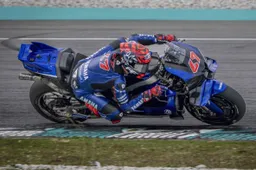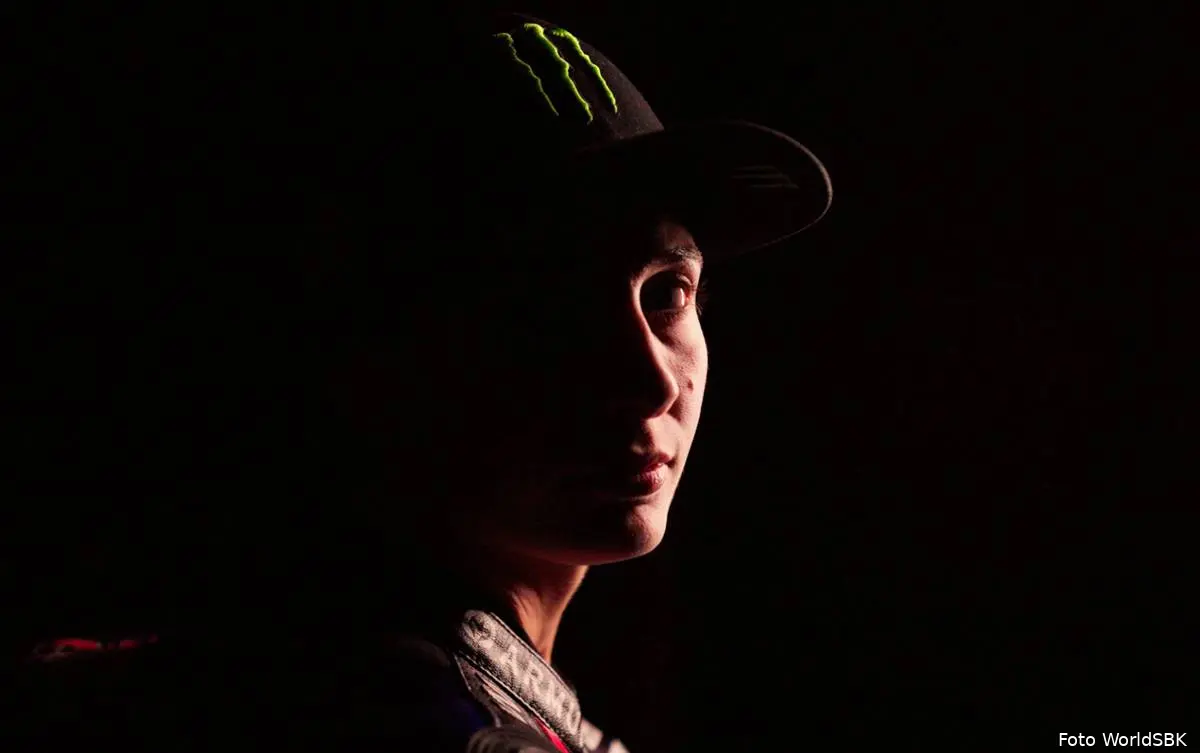
Battle of the sexes. In tennis, this refers to four famous matches between a man and a woman. They were media events featuring top female players against male players at the end of their careers. A bit like organizing a showdown between Ana Carrasco and Nuccio Zerbo.
In these four matches, only once, in 1973, did a woman prevail: Billie Jean King. In December 2025 Aryna Sabalenka, world number one, suffered a heavy defeat to Nick Kyrgios (ATP 671). If in tennis these events are rare—simple, well-paid exhibitions—on motorcycles, battles between men and women happen much more often.
Over the years many women have chosen to race among men, but very few—and only in particular cases—have managed to beat them. Ana Carrasco is also competing in the Supersport World Championship in 2026, and to date her best results have been 27th places, while her teammate Corentin Perolari has a seventh place on his résumé. Last year, in the same championship, she not only never scored points but didn’t even make the top 20, while Perolari finished in the top 10 several times. Sure, Ana Carrasco won the Supersport 300 World Title, but the bike was much lighter than an SSP, and among her rivals she didn’t have former world champions like Masiá or Arenas, whom she faces today. In 300 she was racing against inexperienced youngsters.
Perhaps Katja Poensgen’s podium at Misano in the 2000 European Superstock 1000, ahead of Wegscheider, carried more weight than Ana Carrasco’s various podiums in 300, if only because it was earned on a 1000.
Today the only woman truly doing herself proud among the men is Kayla Yaakov in MotoAmerica Supersport, with a podium and fourth place in the overall standings. The others are almost always vain attempts.
So what drives Ana Carrasco to race among men instead of dueling with María Herrera for the Women’s World Championship title? Carrasco has always wanted to prove she can compete at the top, regardless of gender. The level of WorldWCR is not particularly high, and it’s understandable that the championship doesn’t motivate her and feels a bit constraining. Alternatives? Hard to find, but with today’s 27th places she only proves what she wouldn’t want to: that female riders, in the higher classes, struggle to compete on equal terms with their male colleagues. In short: it’s a boomerang. Perhaps, for the women’s movement, it would be more beneficial if she worked alongside María Herrera to grow and elevate the WorldWCR.
Continue reading
You might also like
More news
Popular articles


Loading