"Big deal, he wins against nobody." Modern motorcycling is like this: whatever happens, there’s always someone who sees it the other way around. They even question Marc Marquez, ten World titles won, the only icon of this era. Social media are like the bars of the past: whoever told the tallest tale made people laugh and, in their own way, became the star. Nothing has changed.
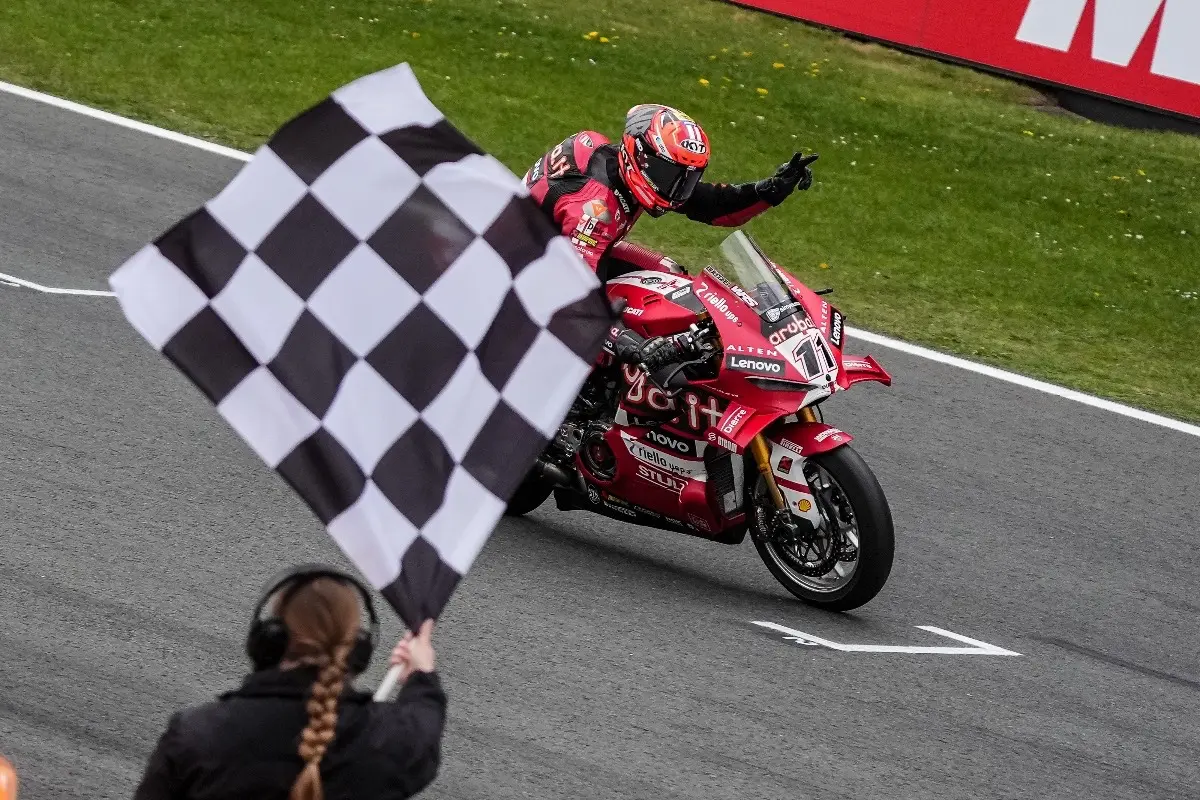
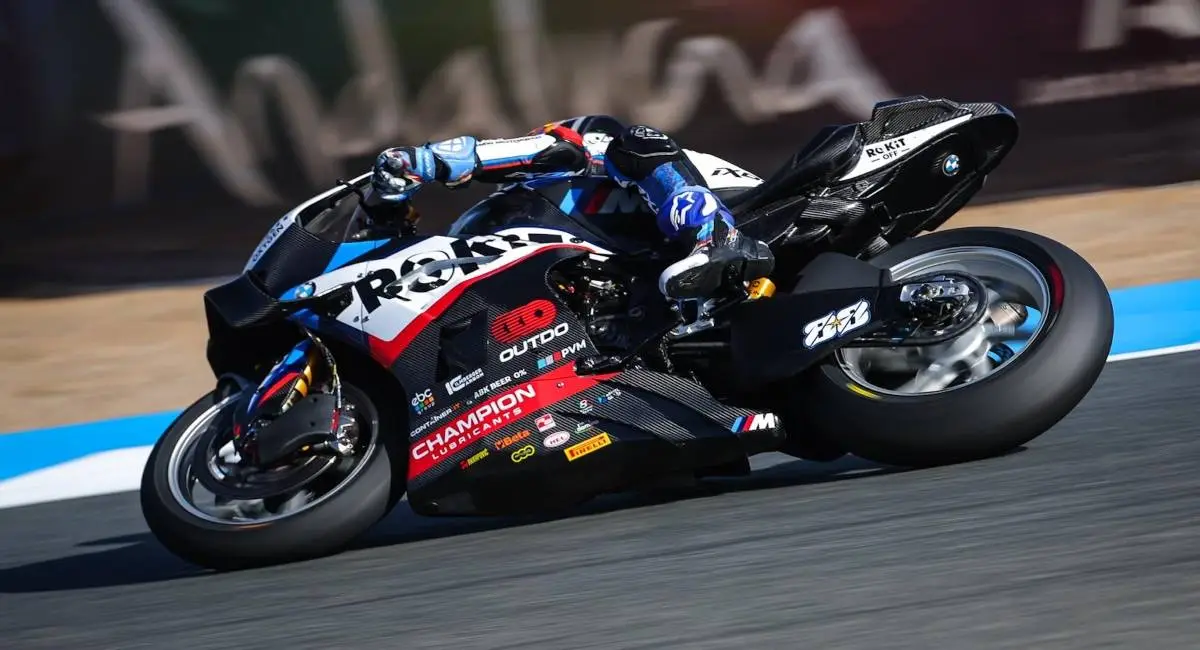
The numbers say that Nicolò Bulega is a refined rider. Not so much the statistics, which in recent years have been a bit skewed by the extra race each weekend. Above all, the lap times say it—the records smashed on every track. With the new Ducati he’s going faster than a year ago, therefore faster than Toprak Razgatlioglu, who last year was the rival he fought to the thousandths with, and to whom he lost the World Championship at the last gasp by a handful of points. Without the double retirement due to mechanical issues at Assen and Axel Bassani’s Turn 1 mistake at Misano, who knows how it would have ended.
Bulega beyond the criticism
It’s only April and after just three rounds Nicolò Bulega has already put a lock on the Superbike World Championship. He’s won all nine and is on a thirteen-race winning streak, including the last four of last season, when the phenomenon Toprak was in the mix. Forget the records and victories; the detail most people miss is his command of race management. In the dry he’s dominant; in heavy rain he leaves a chasm. And when the unpredictable happens—like those sudden drops at Assen and the rivals closing in—he waits to gauge everyone’s grip and potential, then goes back past and checks out. It comes "easy" to him. Those who understand racing wonder how much he’s got in his pocket—surely quite a bit. Those who think they understand answer themselves: "well, easy: the others aren’t going."
In MotoGP, they get it
MotoGP team managers don’t chase social media; they understand. In fact, even though the top-class market is inflated and many traditional protagonists risk being left on the sidelines, Nicolò is on the list of several teams. The most concrete option is to end up on an Aprilia RS-GP, in an ambitious team (TrackHouse) as a factory rider for the brand that today is winning—actually, dominating. No small thing.
Rivals without a palmares
They say Bulega "wins against nobody" because his current rivals have performance but not results to show for it. Iker Lecuona has never won anything in Moto2, did three anonymous seasons in MotoGP, and then as many as a supporting actor with Honda Superbike. Sam Lowes, the third wheel at Assen, has never won in this category; his twin Alex has 360 starts, has always raced with top factory bikes, and boasts only four wins. It’s understandable that people, a bit hastily, add two and two.
So what’s the problem?
Claiming that "Bulega wins against nobody" is technically nonsense, but opinions, even the wildest, don’t arise by chance. There is something that’s not working, and we’re talking about off-track matters—how today’s Superbike tells its story and portrays its champions. Nicolò Bulega does his part: he’s a good-looking guy, has a great story, but he never talks about it himself. At the races his interviews last a few seconds: never a quip, a hook. It’s as if he’s always afraid of saying something that could come back to bite him. To become a personality, you need to strike certain chords with the public, spark imaginations, stay in people’s heads. It’s not about social media and influencers; it’s always been that way. Think of the Superbike greats of the past. Fogarty was "the ice eyes", "the dozens of beer cans on the bar counter on Sunday night", "Lionheart". Troy Corser was "the miner and the dockworker" who became Champion after a thousand vicissitudes, Troy Bayliss was the "Flying Panel Beater" and the rider who said, "When I retire you’ll see me watching TV on the beach with a can in my hand." As for Bulega—thinking it over, aside from the superb races he puts on—what sticks with you?
It’s not Nicolò’s fault
Bulega does the rider’s job, obviously, just like Fogarty, Corser, Haga, and Bayliss did. It’s the "movement" that today no longer knows how to build myths, points of attraction, stories. “Narrative” isn’t a science for everyone: you can’t just grab an influencer who bought their likes and ask, "build me champions." At best they’ll make you laugh by spouting some nonsense, and that’s it. Liberty Media has understood perfectly that today’s motorcycling doesn’t "land." In fact, it’s forcing teams and manufacturers to invest in that direction, meaning in enhancing their assets even in contexts, audiences, and worlds different from the circle of motorsport enthusiasts. The rest it will do itself, with the powerful means it has. But today’s Superbike, on this front, is still at year zero. Had Bulega been born twenty years earlier, he would have become a King.
Continue reading
You might also like
More news
Popular articles
Loading