Carbon-Ceramic Brakes and Prototype Swingarms: Superbike Returns to Experimentation
Paolo Gozzi Column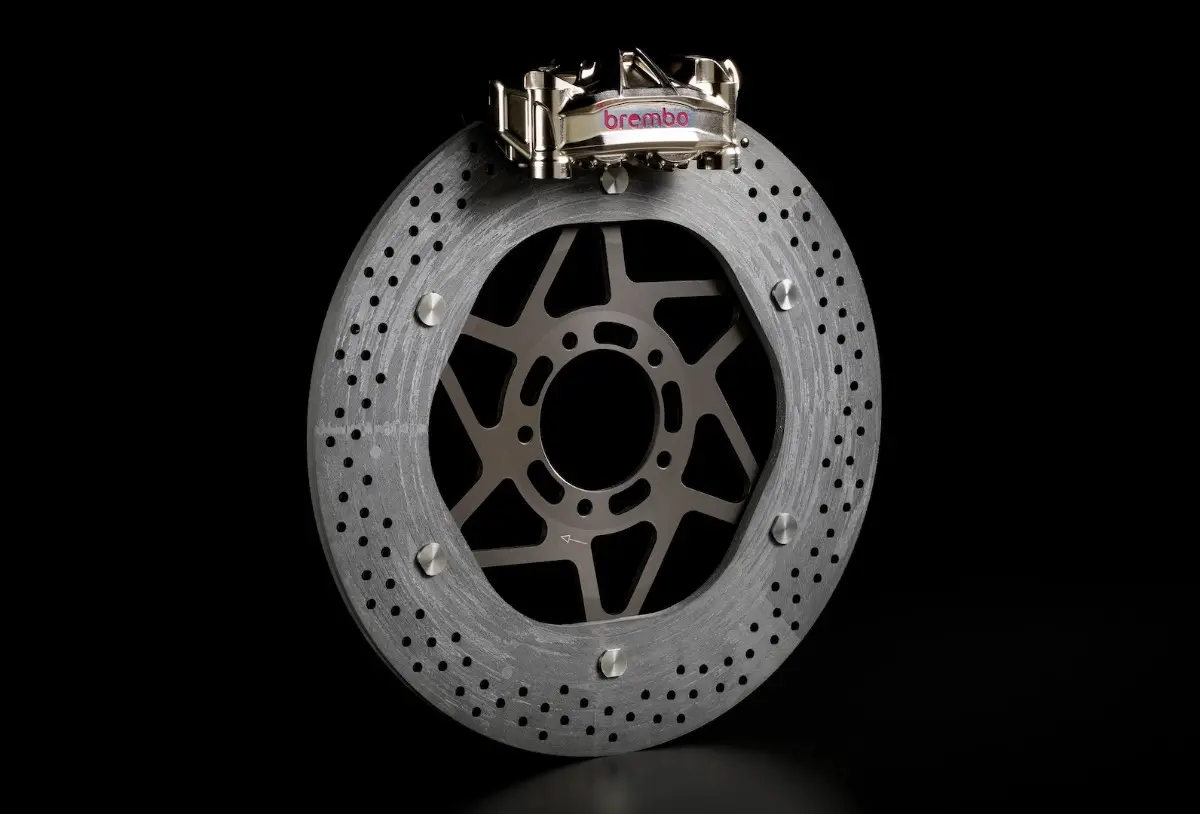
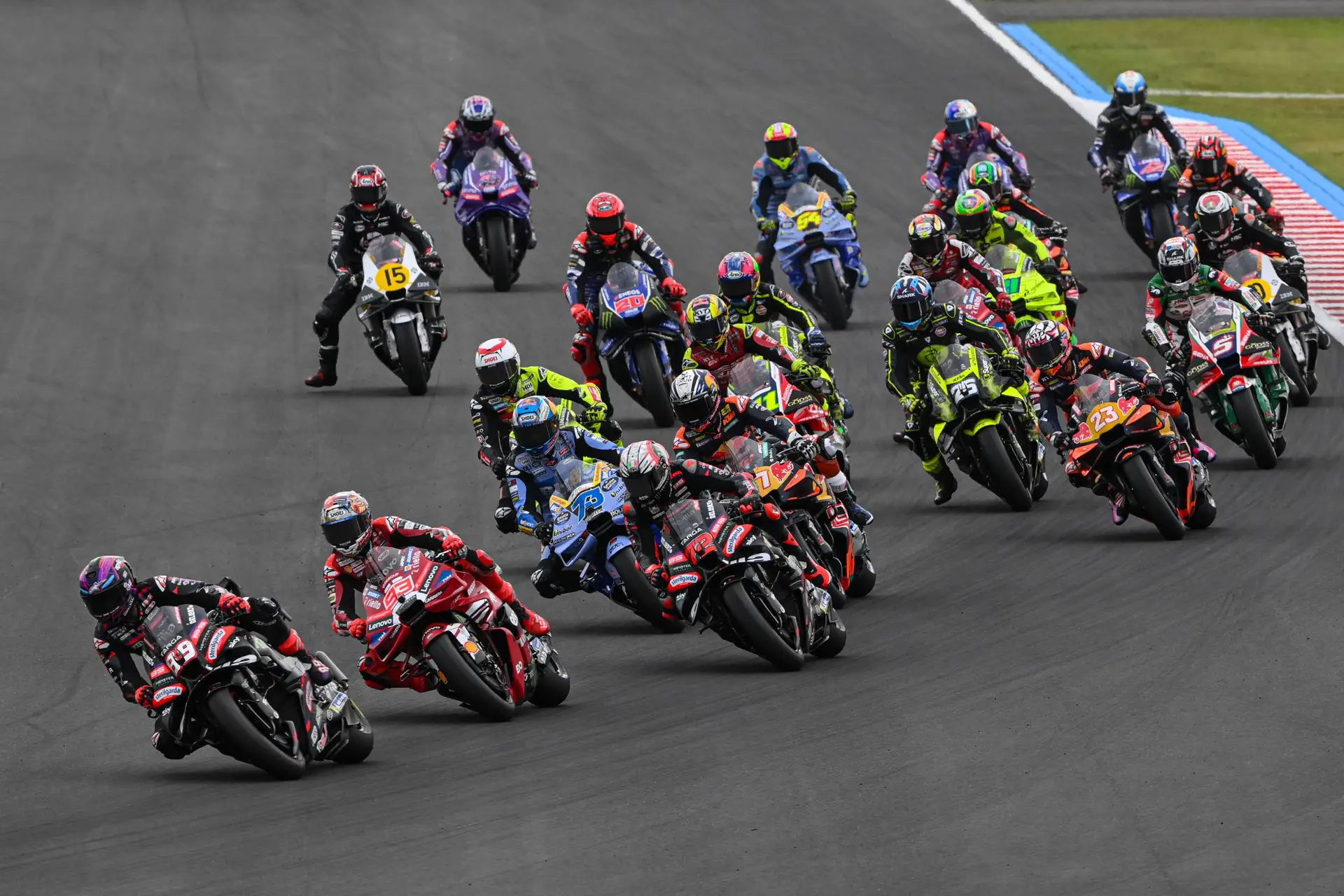
The Misano tests, from a timing standpoint, reproduced the identical scenario seen at every World Championship round this season: Nicolò Bulega on another planet, Ducati dominant, and the others engaged in a strenuous chase. However, some very interesting technical innovations emerged, perhaps set to usher in a new era.
Premise
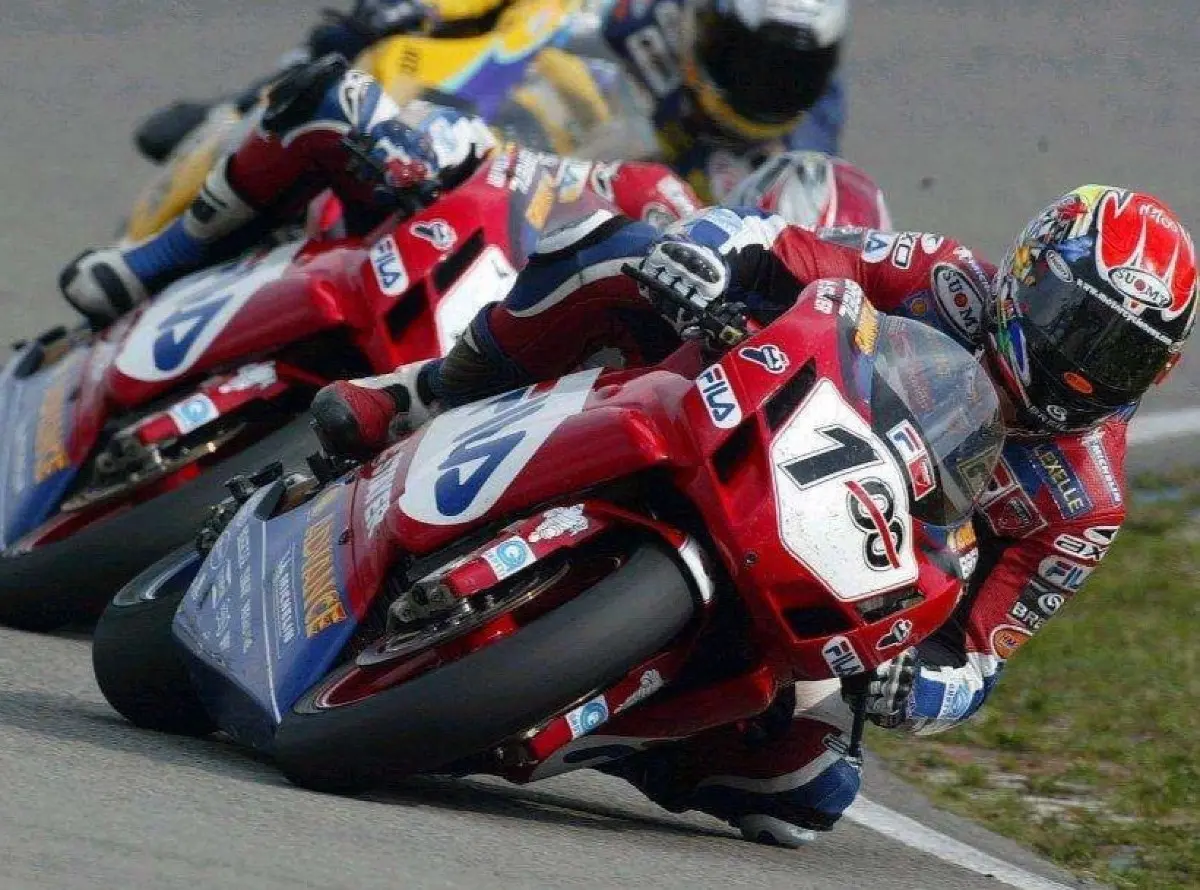
Today’s enthusiasts call for a return to “true” production-derived bikes. Digging through my archive, which gathers everything written about Superbike from its very first World outing (1988) to today, I notice that this mantra has echoed every year for decades. In reality, Superbikes have never been as close to production as they are now—at least on paper. In the past, countless components were unrestricted. In the golden age, for engines, only the crankcase had to remain identical to the production version, while most internal parts (pistons, connecting rods, valves, cylinder heads) were free. Same for the chassis: only the frame had to be identical to the production one, but on this point one eye (sometimes both…) was turned the other way, so in practice they were almost always prototypes, even if similar to the homologated version. Brakes, suspension, and even electronics were free.
The sweet fruits of freedom
This freedom in preparation, which continued at least throughout the ’90s, was a doubly virtuous concept: it gave factory teams a certain leeway, pushing them to commit ever more deeply, and it allowed privateers to access a broad range of technology offered by component manufacturers, large and small. It was both a technological boost and a flow of money into team coffers.
The Barni–Suter case
This season Ducati has retired the single-sided swingarm, adopting a conventional unit. The Barni team has forged a partnership with Suter, a Swiss company founded in 2002 by former rider Eskil Suter, which created a prototype swingarm tested by Yari Montella precisely during the Misano tests. Suter’s involvement alongside Barni stemmed from the interest in producing aftermarket components for Ducati hypersport customers. Under the current Superbike technical regulations, the swingarm is free—that is, it can differ from the one homologated by the manufacturer while respecting the homologated structure (conventional or double-sided). Two different types can be homologated over the course of the season. It’s an interesting experiment: it could help bring technology and financial resources back into the paddock, primarily benefiting independent teams like Barni.
Brakes, the new frontier
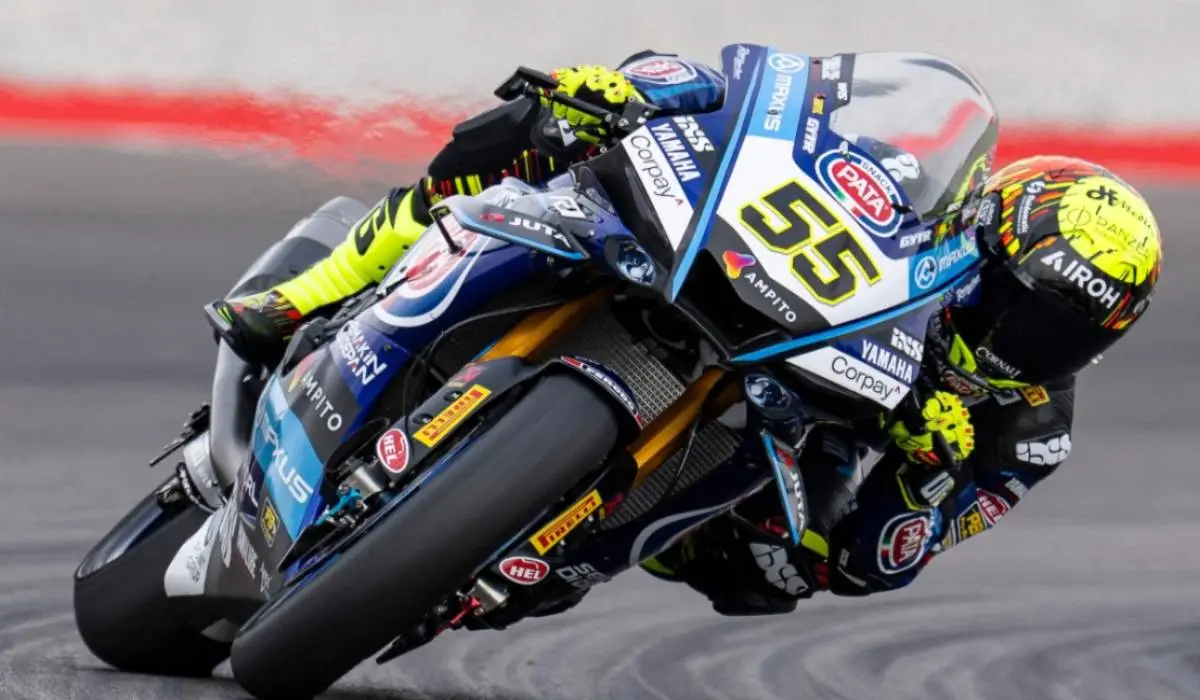
At Misano, on the Yamaha YZF-R1 entrusted to Alex Delbianco, Italian Superbike champion here in the role of factory team tester, Brembo carboceramic brake discs appeared; they will be adopted by all teams in 2027, when the Italian company becomes the sole supplier. At the brand level, nothing will change, since by now all teams, large or small, use Brembo braking systems. But the new discs, which will replace the current steel ones, have stirred curiosity. The most significant advantage over steel is the weight, just 1.3 kilograms, with notable reductions in inertia and unsprung mass. Compared to carbon, used in MotoGP but banned in Superbike, carboceramic has no cold-use issues and guarantees more modulable and more consistent braking. According to those who have used them, carboceramic discs provide an “easy” braking feel, meaning a feel quite different from carbon. Another advantage is durability: carboceramic is practically indestructible and wears imperceptibly compared to steel.
When Superbike had carbon discs
Few know it, but carbon discs were used in the Superbike World Championship. The first to test them was Raymond Roche in the tests he carried out right after clinching the first Superbike World (riders’) title, in 1990. They were introduced in 1991, borrowing technology that had already gained ground in 500GP. They had enormous stopping power but needed to be brought up to temperature, and they couldn’t be used in the wet. Operating costs were very high, so at the end of 1994 they were banned, with the obligation to use steel brake discs that remains to this day. But from 2027, things will change.
Read also
Corsedimoto on Instagram, subscribe here to our channel
Continue reading
You might also like
More news

Popular articles

Loading