An ill-fated edition of the Tourist Trophy: has the Island also sold out to the almighty dollar?
Paolo Gozzi Column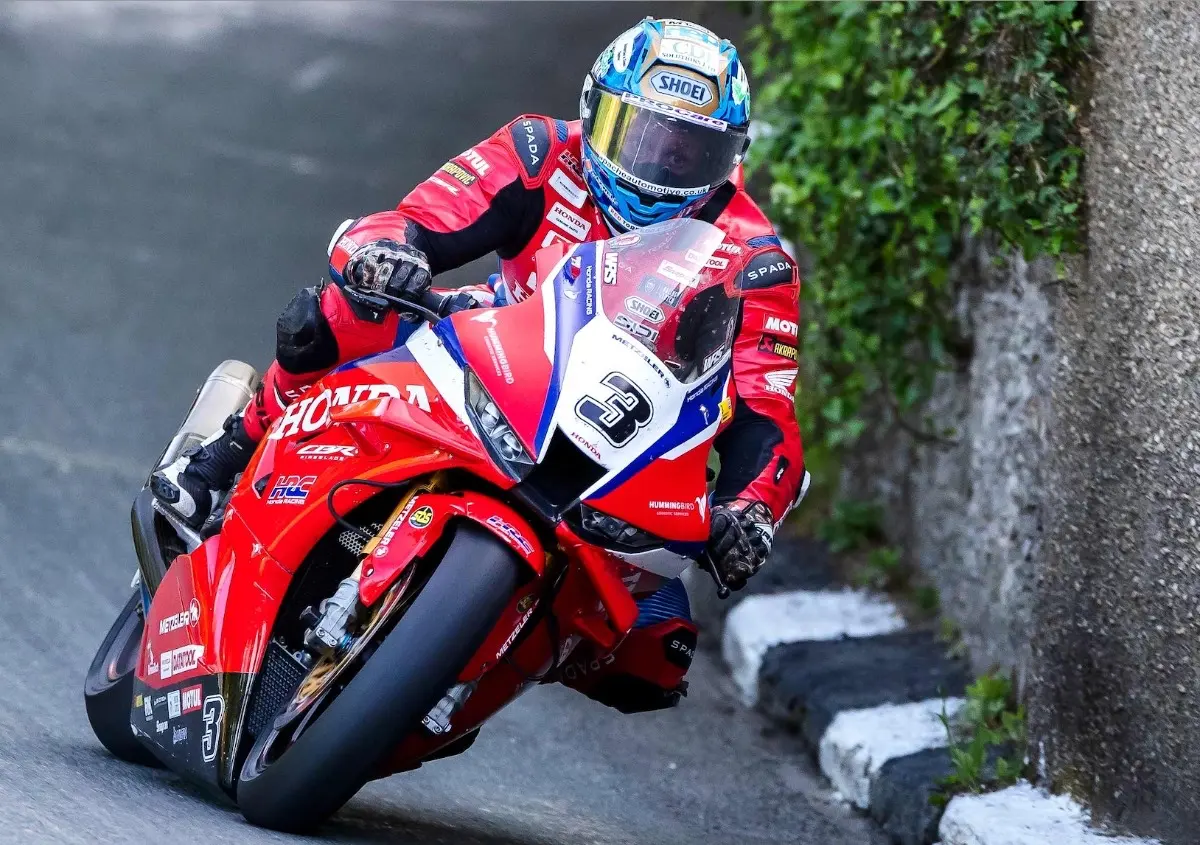
The Tourist Trophy is the modern embodiment of a vanished kind of motorcycling, which is why it fascinates us today more than ever. But this year's edition was cursed: between tragedies, postponements, and the painful amputation of the final program, even the most enamored are beginning to ask questions. Is the TT still the same, or is the Isle of Man also turning into show business?
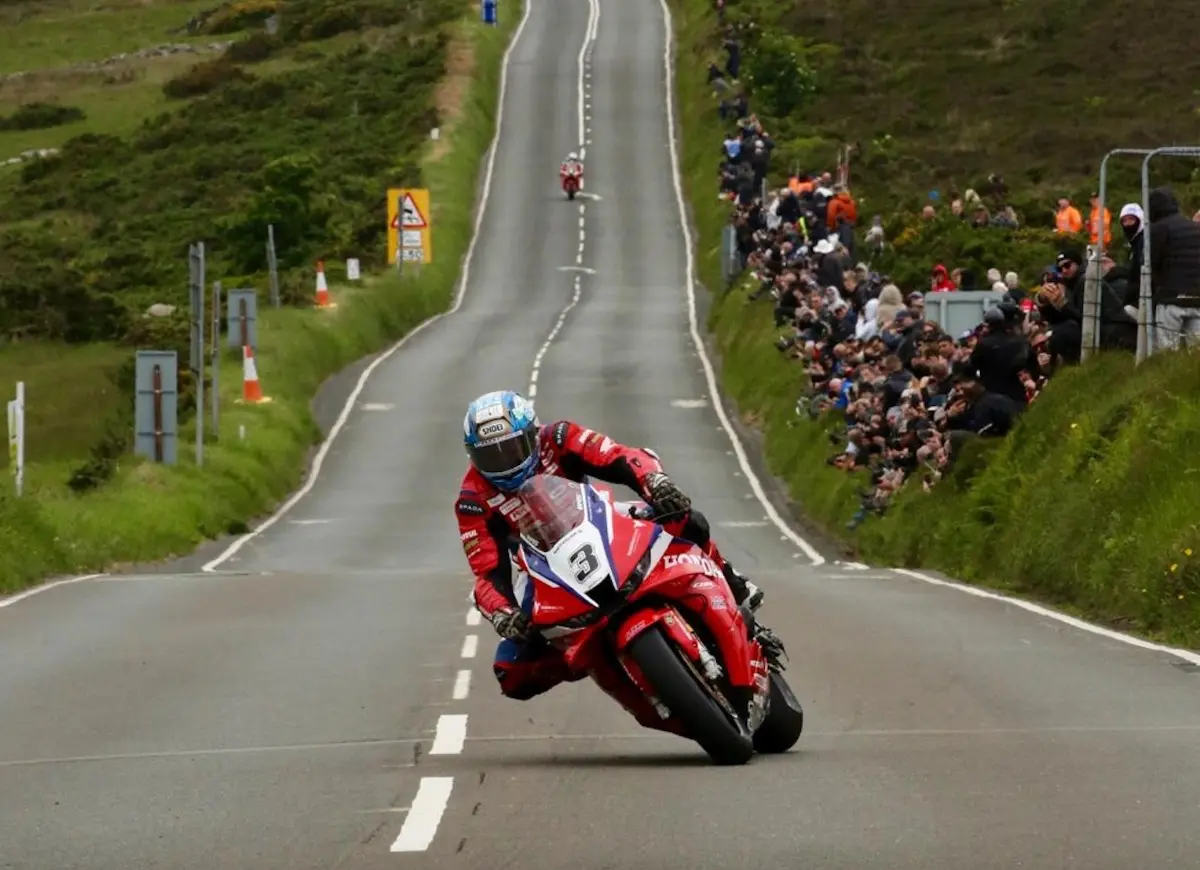
In 2025 bad weather led to the cancellation of the Senior TT, the race of races on the Mountain Circuit. To prevent this disgrace from happening again, the organizers had redesigned the entire program, adding Sunday, June 7 as a lifeline. But the mischievous deities of this jutting nook in the Irish Sea, swept by fierce winds and storms, would not have it. Over the two weeks of practice and races there were only two clear days, so just three out of the eight scheduled races could be run. Complicating matters was the serious accident suffered by Finland’s Erno Kostamo, a TT veteran, during the second of the four laps of the Senior. He pulled through, but the red flag stopped everything, and on Friday the 5th there was no time to restart. It rained on Saturday and Sunday would have been even worse. So the organizers called it off entirely, awarding the win to Dean Harrison, who was (comfortably) in the lead at the time of the stoppage. The TT assigned at the table: it had never happened in 115 years of history.
The roulette without a safety net
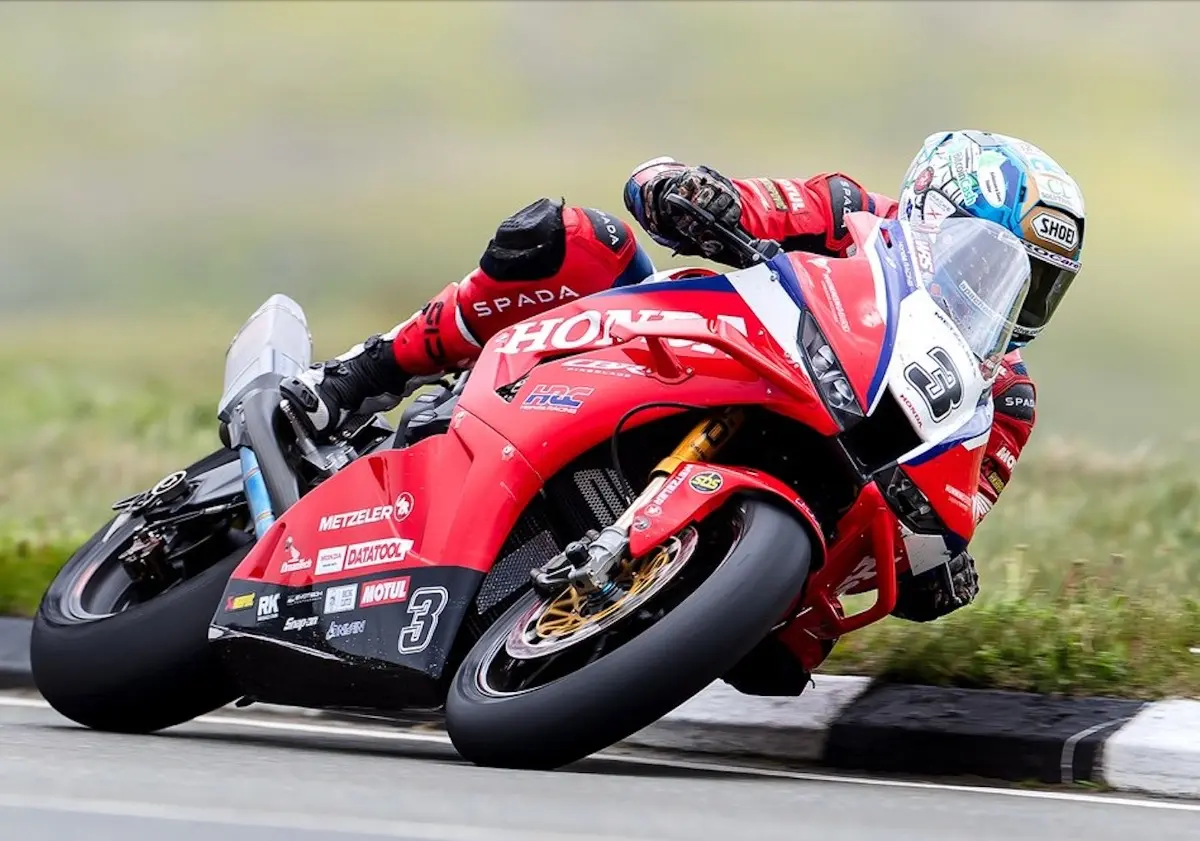
For days nostalgics have been posting on social media the famed photo of Joey Dunlop on the Honda 250 GP in a blizzard at the entry to Creg-ny-Baa, one of the most iconic corners in world motorsport. "Those were the true heroes of the road races; why don’t they run the TT in the rain today?". With the 250 horsepower Superbikes of today, hurling yourself toward Bray Hill or into Barregarrow in the wet would be sheer suicide. Sure, riders at the TT died even when bikes had nowhere-near-comparable power: if there have been 271 victims over 115 editions, the average speaks for itself. Watching Dean Harrison on the factory Honda CBR-RR in that lap and a half was staggering. Today these guys don’t ride, they fly: 320 km/h top speed at Sulby, a long straight through the trees, and everywhere they brush walls and rocks. The availability of streaming, with dozens of cameras placed along the 60.6 km of the course winding between Douglas, Kirk Michael, and Ramsey, now gives us an even clearer sense of what the TT represents: a headlong leap with no safety net. If something goes wrong, you’re done.

Complicated organization
This year’s terrible weather piled onto the usual challenges of managing a race that unfolds over 60.6 kilometers of public roads, with everything that entails. The modern TT can no longer afford to run early in the morning or late in the evening, as it once did by taking advantage of the long summer daylight of Northern Europe. Today, organizers must safeguard the needs of an Island that owes everything to the TT, but where life still has to go on even during those two weeks. "We were dealing with puddles that wouldn’t dry, rivulets of water, and every kind of difficulty: given the forecast, canceling the finale was the only option" the organizers explained.
Business and risk
"The riders know what they’re getting into" has always been said. It’s true, racing the TT is a choice, not a compulsion. But there’s a different mood in the air compared to the past. For some years now the TT has become big business: top sponsors have arrived and the way people experience it is changing. For next year, exclusive packages are already on sale that let you watch the races in elegant suites, via streaming, while sipping champagne. To observe the perils of the Mountain Circuit these VIP spectators will be whisked around by helicopter. The TT is becoming exclusive, like F1 and MotoGP. Marketing and risk don’t mix well; the top championships teach us this, where that component still exists today as before but is concealed in every possible way. If you fly guests into Douglas on an executive jet—as happens more and more often—and a rider dies along the course, it’s not a good look. That’s why sidecars were scrapped from the program, after the very serious accidents involving Maria Costello, who will be left paralyzed, and the Crowe brothers, the leading crew, who literally took off at Crosby and miraculously survived. Fewer races, fewer chances of accidents. Even though, as the death of Daniel Ingham during qualifying teaches us, at the TT tragedy is always lurking.
The spectacle and the marketing
In this concentration of perceptions and interests at opposite poles, the TT has also become fodder for Hollywood storytelling. The production, actors, and stunt doubles have enlivened the paddock, with appearances by stars like Brad Pitt. For the delicate game to continue, it’s essential that when something bad happens, the effects aren’t seen. Nowadays phones are everywhere, but the TT crash clips that circulate online are only those that end in scares and, at most, a few injuries—like the Crowe brothers’ terrifying sidecar takeoff. When the rider dies, all traces vanish. And it’s better that way, because seeing what happens when a rider leaves the road would probably be the end of the whole story. In 2003 I was at the TT when David Jefferies, the man to beat, died going off at full speed during practice at Crosby, in the first sector of the course. On impact, the bike destroyed dozens of meters of a villa’s 50-centimeter-thick wall, also taking down a utility pole 200 meters away. Crashes on the Isle of Man are horrific, and if images like those became public, it would be goodbye to the TT forever.
Read also
Corsedimoto on Instagram, subscribe here to our news channel
Continue reading
You might also like
More news
Popular articles
Loading