Tokyo accelerates the shift to electric for two‑wheelers: an end to gasoline sales, but the market is lagging behind
DreamsThursday, 12 February 2026 at 08:08
by André Lecondé/paddock-gp
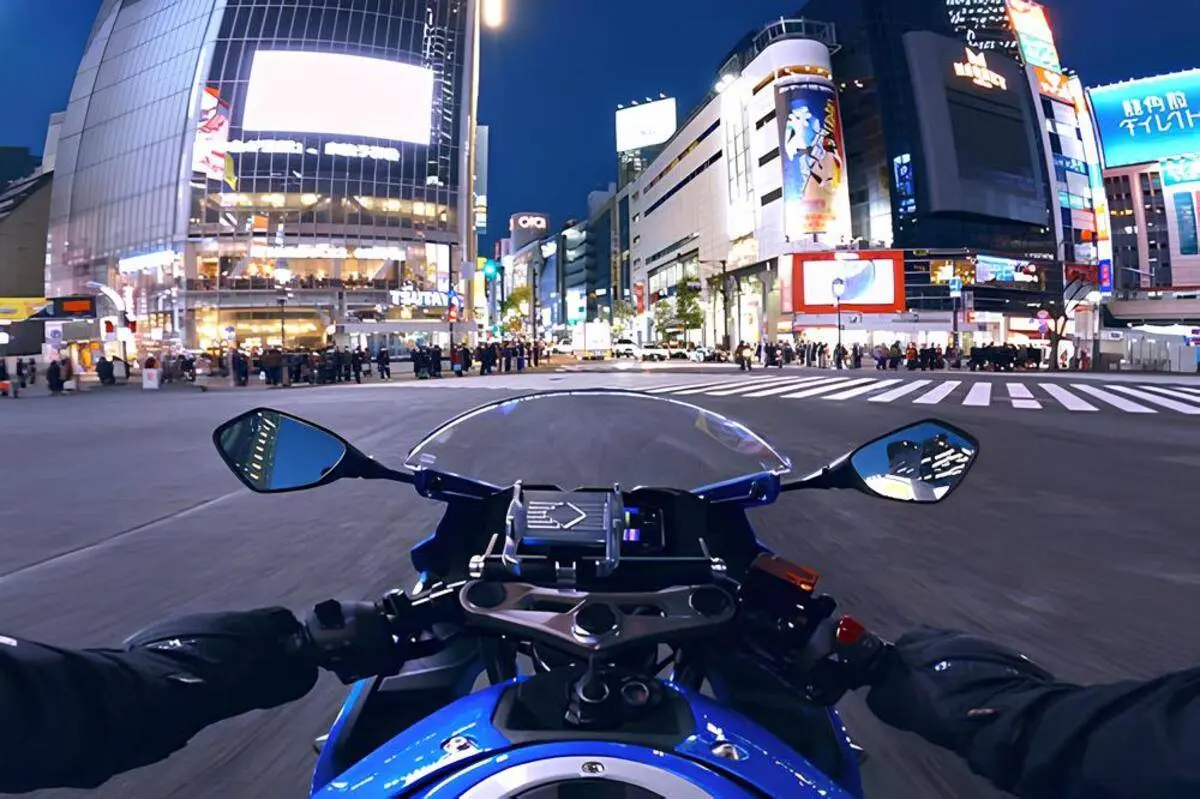
It’s confirmed. Tokyo will ban the sale of new gasoline motorcycles. The irony is monumental: the decision comes from the heart of the country that shaped global motorcycling excellence.
But let’s be clear right away: Japan is not banning motorcycles with internal combustion engines. This is a local measure, decided by the Tokyo Metropolitan Government, which will limit the sale of new gasoline models only by 2035. The use of existing motorcycles remains allowed. No nationwide ban. No confiscations. No immediate revolution in the streets. But symbolically? It’s a seismic event.
While the European Union has already adjusted its timelines on phasing out internal combustion engines in light of market realities, Tokyo is holding its course: end of gasoline car sales in 2030, end of gasoline motorcycle sales in 2035.
Japan, for its part, is adopting a mixed technology strategy. Motorcycles have not been affected by national bans. Tokyo, however, is grouping them together with cars and trucks. A strong political choice. Perhaps too strong.
The weak point? The lack of precise data. This is where the case becomes shaky. The metropolitan administration admits it does not have detailed data on the actual contribution of motorcycles to the city’s CO₂ emissions. Sure, transport accounts for about 20% of emissions. But within that figure, motorcycles remain marginal compared to cars.
And yet, the ban is being imposed without a precise study that quantifies the concrete environmental benefit of a complete shift to electric vehicles.
The market is not ready for this ban in Tokyo… without a clear framework
Today, only 12% of new motorcycles sold in Tokyo are electric. The goal is to reach 35% by 2030 and then 100% by 2035.
The problem? Limited range, higher prices, offerings focused almost exclusively on scooters, and a battery-swapping network that’s still scarce.
To accelerate the transition, Tokyo plans to allocate over 18 billion yen in subsidies in 2026, with up to 480,000 yen in aid for each electric motorcycle.
A policy of massive incentives, but one that feels more like a disguised obligation than a natural market adoption.
The country that is home to Honda, Yamaha, Kawasaki, and Suzuki, manufacturers that dominate the global scene, is seeing its capital turn its back on the motorization that built this reputation.
Naturally, these giants are already developing electric models. But the global motorcycle economy remains largely based on internal combustion engines. Tokyo is therefore taking a more radical stance than most major industrial powers.
Another area of uncertainty is that penalties have not yet been defined. How will dealerships be monitored? What will happen if targets are not met? And what about imports?
The administration itself says these details will be decided later. This vagueness fuels skepticism.
Tokyo is taking a determined environmental stance, even if it means getting ahead of the market. This decision aligns with its carbon neutrality strategy. But technically, commercially, and industrially, the foundations remain fragile. Banning something without precisely demonstrating its measurable impact... Imposing it before the infrastructure is ready... Setting a 100% target when the market is limited to 12%... It’s bold. Or risky.
One thing is certain: if the Japanese capital truly manages to fully electrify its new motorcycle fleet by 2035, it will become a global model. If it fails, it will be a harsh reminder that a century-old industry cannot be transformed by decree alone. Revolution is on the horizon. It remains to be seen whether it will be technological... or purely political.
Read also
Continue reading
You might also like
More news

Popular articles
Loading