Superbike in the dark, tests canceled and risk of chaos: what could happen in Australia
SuperbikeSaturday, 31 January 2026 at 12:00
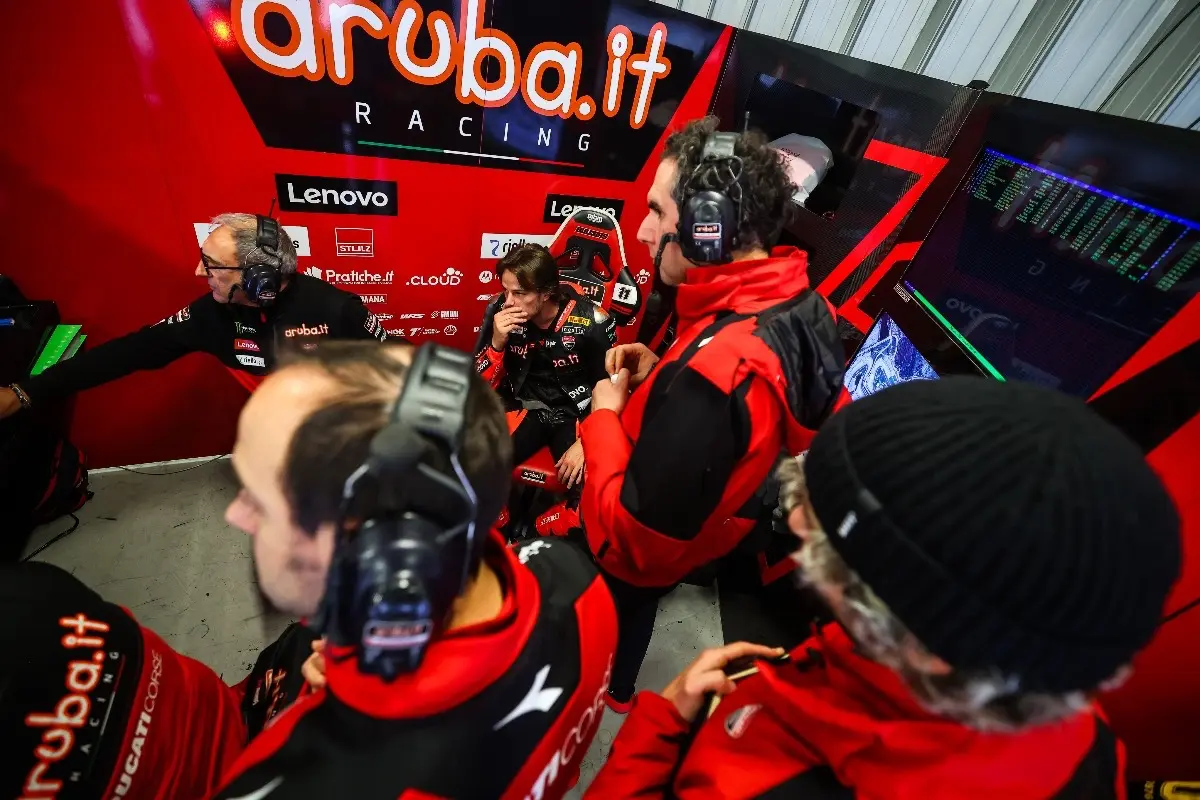
Superbike will fly to Australia for the World Championship opener practically in the dark. The four days of testing scheduled between Jerez and Portimão were spectacularly canceled due to bad weather. Teams and riders are in serious trouble: what can happen now?
The lifeline is the two days of testing scheduled on the same Phillip Island circuit on Monday and Tuesday of the same week as the first World round (February 20-22). Teams and riders will have a total of eight hours available and will have to hope the weather doesn’t play tricks there as well. It’s late summer in Australia, but on the Island sudden rain or strong winds are not uncommon.
The engineer’s opinion
Mario Manganelli has worked in prestigious racing departments in motorcycle racing such as Oral and KTM. With Aprilia he designed the V4 engine that, starting in 2010, collected three riders’ World Championships: two with Max Biaggi, one with Sylvain Guintoli. The same power unit was the starting point for the MotoGP project in 2015, and it still powers the Aprilia RSV4 R, one of the most powerful and fastest street-legal Superbikes. Manganelli has also worked in Formula 1: for two years he was responsible for the Mercedes power unit designed and developed in Brackley (UK). The engineer can explain to us the impact of the canceled Superbike tests and tell us whether the highly sophisticated testing simulation systems used in Formula 1 could be transferred to motorcycles as well.
How serious is the problem?
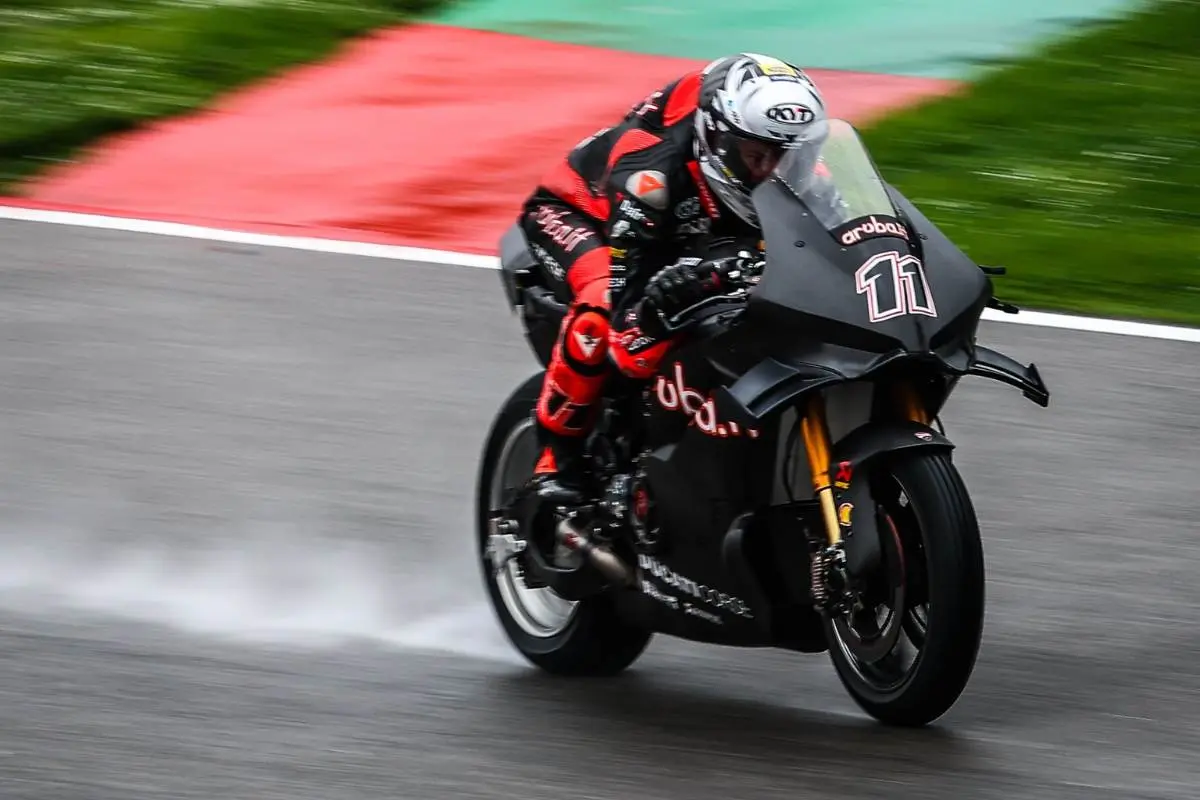
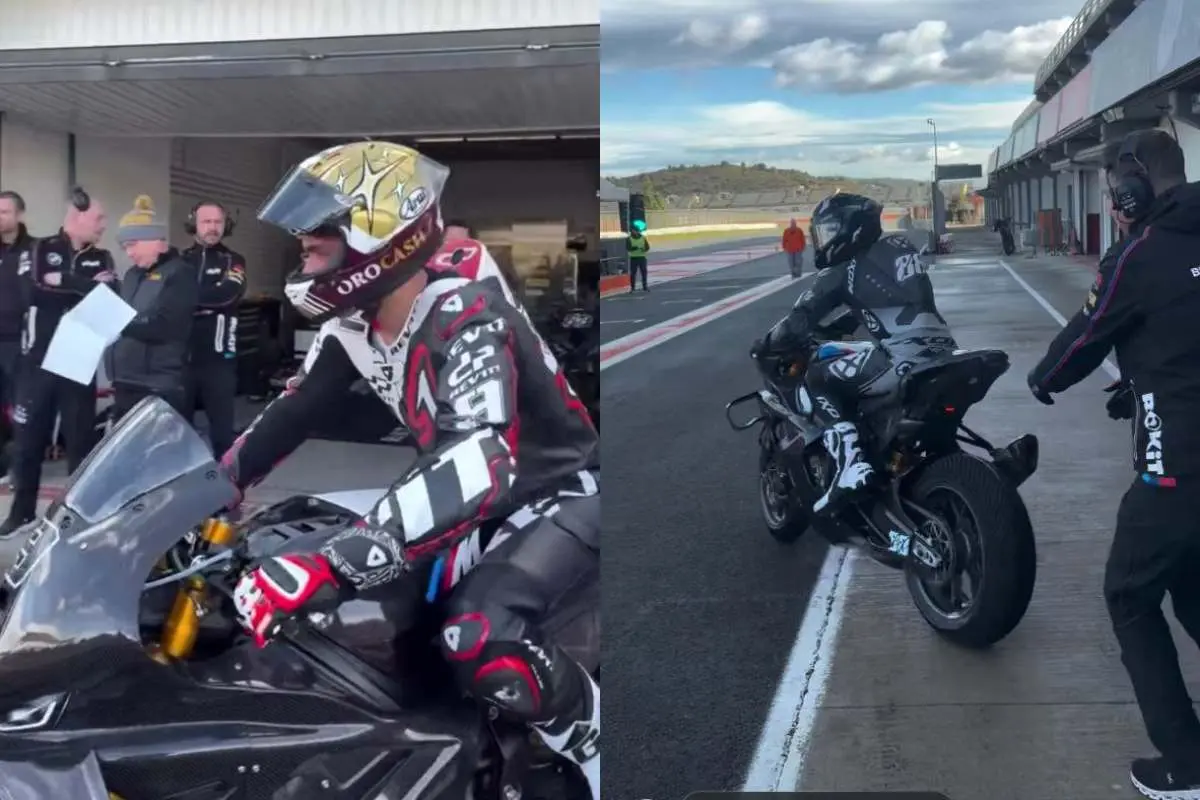
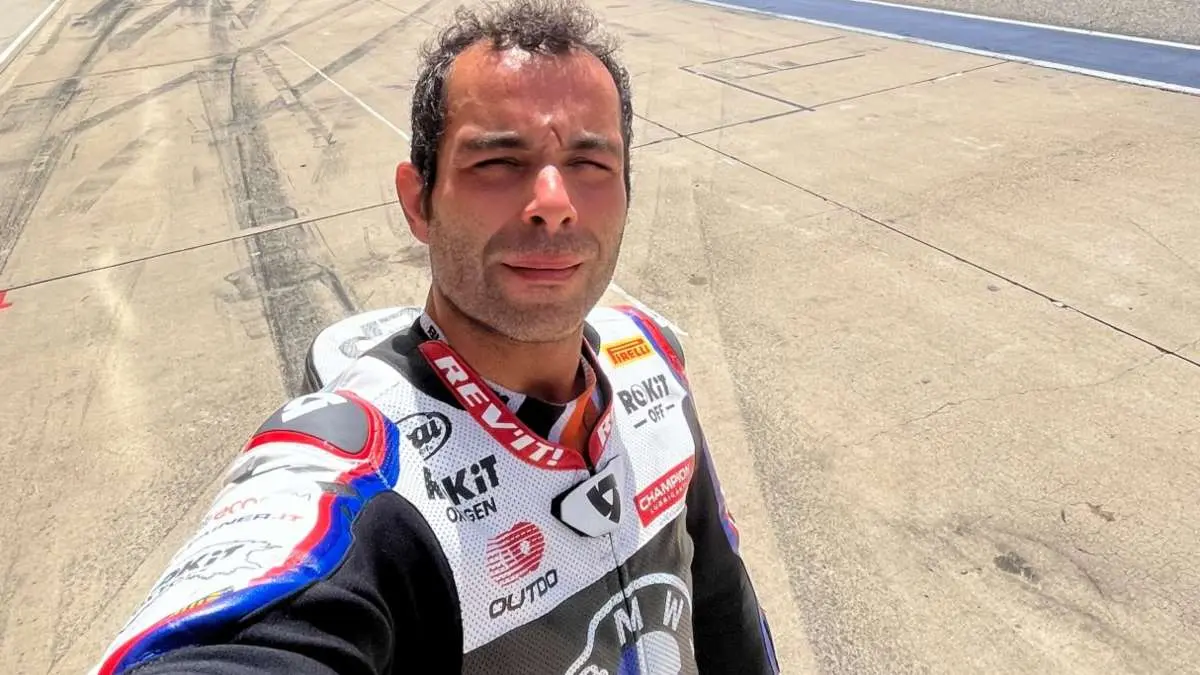
“Track testing at this time of year is fundamental. In Spain the Superbike teams were supposed to experiment with the engine, electronics evolutions, chassis, aerodynamics. Some manufacturers, like Ducati, heavily revamped the bike, so the inability to validate and collect data is even more serious. In addition, there are new riders who have not been able to properly get to know their new bikes, as in the case of Danilo Petrucci and Miguel Oliveira arriving at BMW. This setback is anything but minor.”
In Formula 1 they use simulation: why?
“In this era, Formula 1, for cost reasons, has reduced testing to the bare minimum. In this season of major innovations both in power units and aerodynamics, both completely redesigned, before the World Championship begins there are only six days of testing, plus the shakedown just completed in Barcelona. The cars do the vast majority of testing on the simulator.”
How does it work?
“In cars, highly sophisticated dynamic rigs are used: there are entire departments in every racing team dedicated to developing this true science. It is possible to simulate the behavior of individual components: power unit, control software, tire performance and durability, aerodynamics, suspension, etc. These simulation benches are ‘trained’ by the engineers who develop them and by the drivers who practice on them, so they progressively self-learn all the operating parameters and refine the final target of the desired performance. It’s meticulous work that is largely carried out by test drivers and, from a certain stage of development onward, also by the race drivers. The advantage is that these operations can be carried out in the racing department, so they are not influenced by external factors. With this technology you can accomplish a great deal. In Formula 1 they have very few days of testing because most of the validation and performance-finding work is done on the simulation benches.”
Could this technology be transferred to motorcycles?
“Motorcycle simulation benches will arrive who knows when; it’s not a quick goal. There are already simulation systems now for certain phases of vehicle behavior: cornering, acceleration, braking; however, they are not as advanced. Even the material that is tested on track is the result of instrument-based simulations in the racing department. But they are not exhaustive simulations; they do not allow you to analytically and selectively discern potential performance gains the way a rider does during testing. Not being able to run on track makes the plans devilishly complicated.”
At this point do the teams have a plan B?
“In Australia they will do a general recap, and first of all they have to hope the weather helps. Every minute will count; they will have to make a careful selection and reduce the components to be tested. They will have to focus on the evolutions that the teams believe are most likely to bring performance improvements.”
What can happen?
“The deck could be reshuffled to the advantage of those who make the best use of the two remaining test days at Phillip Island. The first two or three rounds could create the gap. It is not out of the question that those who have been chasing so far could become the reference. The beauty of motorcycling is also tied to unpredictability and the loss of control over the technical factor.”
Superbike test management isn’t working: what should change?
“In recent years the winter months in Europe have become risky, even in the south of Spain. Superbike will have to think about going back to the old days, when winter testing was done in Australia and other warm places during our winter.”
Read also
Continue reading
You might also like
More news
Popular articles
Loading