Moto3 “mini‐MotoGP” with Yamaha: a “disguised cancellation” of the entry class?
Road RacingFriday, 26 June 2026 at 12:30
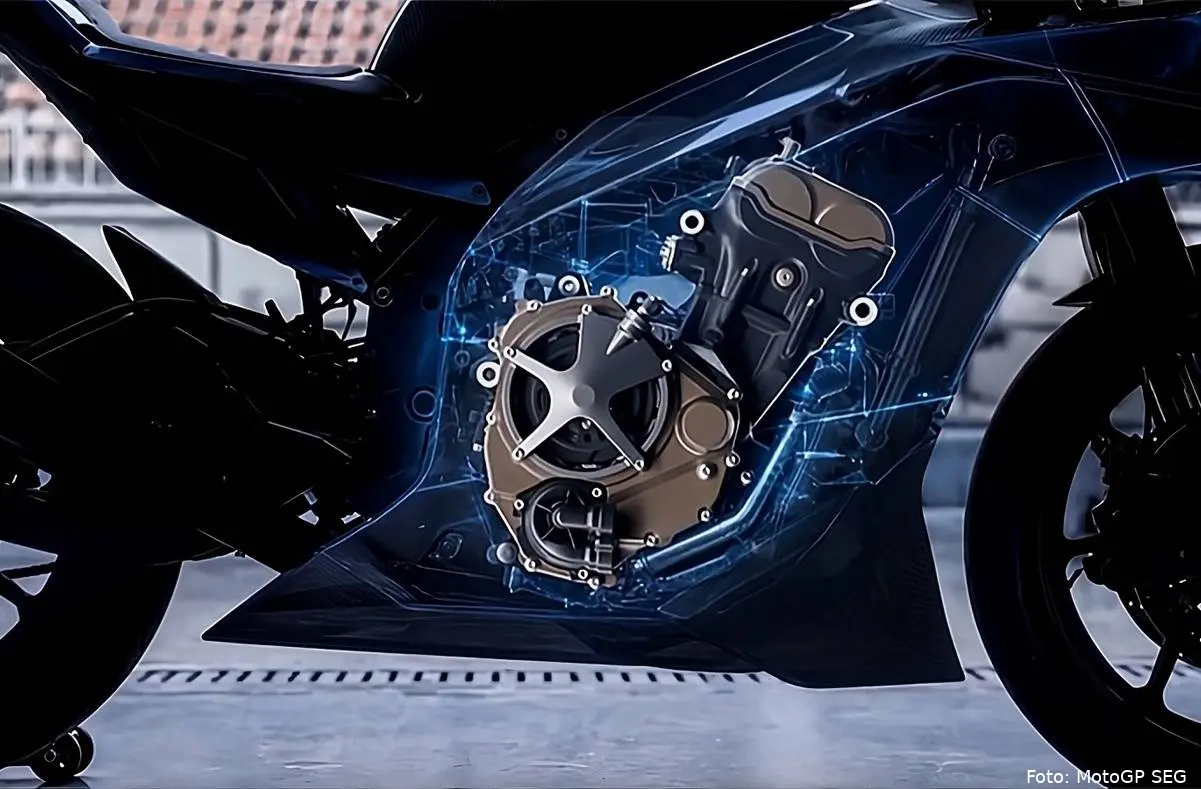
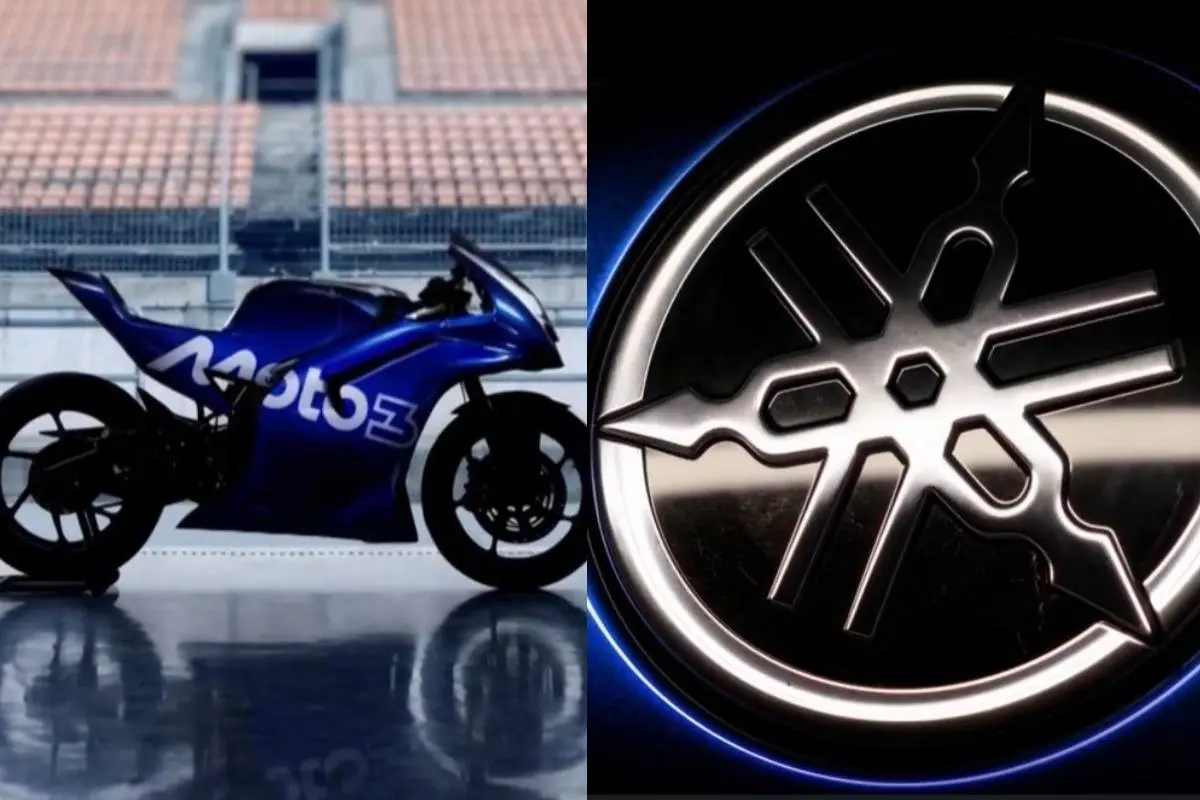
Yamaha is writing the future of Moto3: from 2028 it will be the class’s sole supplier. The changes are far from minor...
A lighter prototype, but decidedly more powerful. That’s the path chosen for the future of Moto3. From 2028 it’s goodbye to the 250cc single-cylinder engines with around 60 horsepower—the current KTM and Honda units—and hello to the twin-cylinder engine derived from Iwata’s R7, with 700cc engines, 120 kg, and over 95 horsepower! A notable difference compared to today... Liberty Media’s direction (they clearly aim to eliminate the lower classes) is set, and Moto3 seems destined to become increasingly “MotoGP-like.” But what about safety? It’s fair to ask whether 18-year-olds—or even younger in some cases thanks to MotoJunior/Rookies Cup results—are capable of handling this kind of power already in the entry class of the World Championship... Or could it actually be better, especially for the many very tall youngsters we’ve seen in recent years?
Some details about the future Yamaha Moto3
After yesterday’s initial announcement we’ll learn more later, especially once the first tests take place, but the expected performance will surpass that of the current Moto3, with the aim of achieving around a 50% cost saving compared to today’s entry class. As our colleagues at Paddock-GP report, this isn’t a production bike converted for racing: the engine comes from a production model to be radically modified, and weight will be reduced, thanks in large part to extensive use of magnesium. The new Yamaha Moto3 will have a true racing gearbox, but it’s worth emphasizing that, in reality, the engine will be the only part sourced from a production bike, while everything else will be a true prototype, a project for a genuine Grand Prix machine. There will also be a Junior version, slightly less powerful and more affordable, intended for various development championships around the world.
-> Follow us on Instagram: @Corsedimoto
Excessive costs to cut... And what about safety?
As early as 2013, the excessively high costs of a Moto3 were highlighted, even though it had only replaced the 125cc in 2012. Hundreds of thousands of euros—an exorbitant figure for the then brand-new entry class of the World Championship—led to cuts from 2014 to significantly rein in expenses that had quickly gotten out of hand. Even so, we’re still talking about figures between €60,000 and €80,000 just for the engines. Looking at the youngsters, we might call the power excessive... Or maybe not? The Yamaha R7 Cup trophy, open from age 18, is the right example since the new Moto3 will be derived from that very bike, albeit with the necessary changes. A bike perhaps better suited to taller youngsters too, whose numbers have grown in recent years and who are “crammed” onto today’s small Moto3 machines? Let’s not forget those who move up a class precisely because of the physical difficulties with the current bikes... Adding some risk, power increases, but given their young age not everyone can manage it. Perhaps the Yamaha Moto3 could prove to be the real solution for the new generations of riders.
Continue reading
You might also like
More news
Popular articles
Loading