It used to be called the World Championship and there were many classes on the grid: 50, 125, 250, 350, 500 and often even sidecars. Now you can tell which way the wind is blowing from the fact that it’s enough to say MotoGP. Everything else matters relatively, and tomorrow even less. MotoGP is swallowing everything.
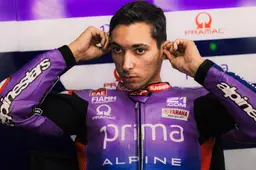
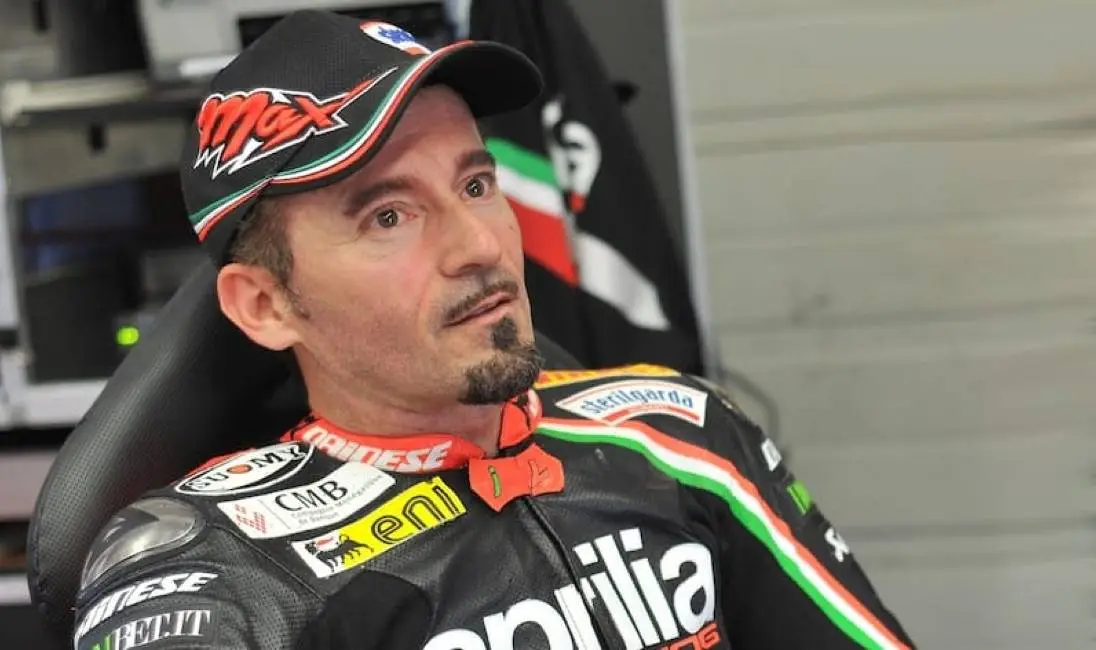
Gen Z, meaning digitally native kids born from 2000 onward, can’t remember it, but until quite recently things worked very differently. Example: in the late ’90s, thanks to the Max Biaggi phenomenon, the 250 class in Italy had far greater visibility than the 500, the Queen of the time. In the mainstream media, the four World Championships won by the Roman superstar, with Aprilia, dominated the headlines. Mick Doohan, who was simultaneously ruling the 500 class, got a “short column,” which in newspapers is a side piece. Today that would be unthinkable: in fact, today’s wonderkids, like Pedro Acosta, breeze through the “lower categories” and are immediately thrust under the MotoGP spotlight.
Apartheid begins
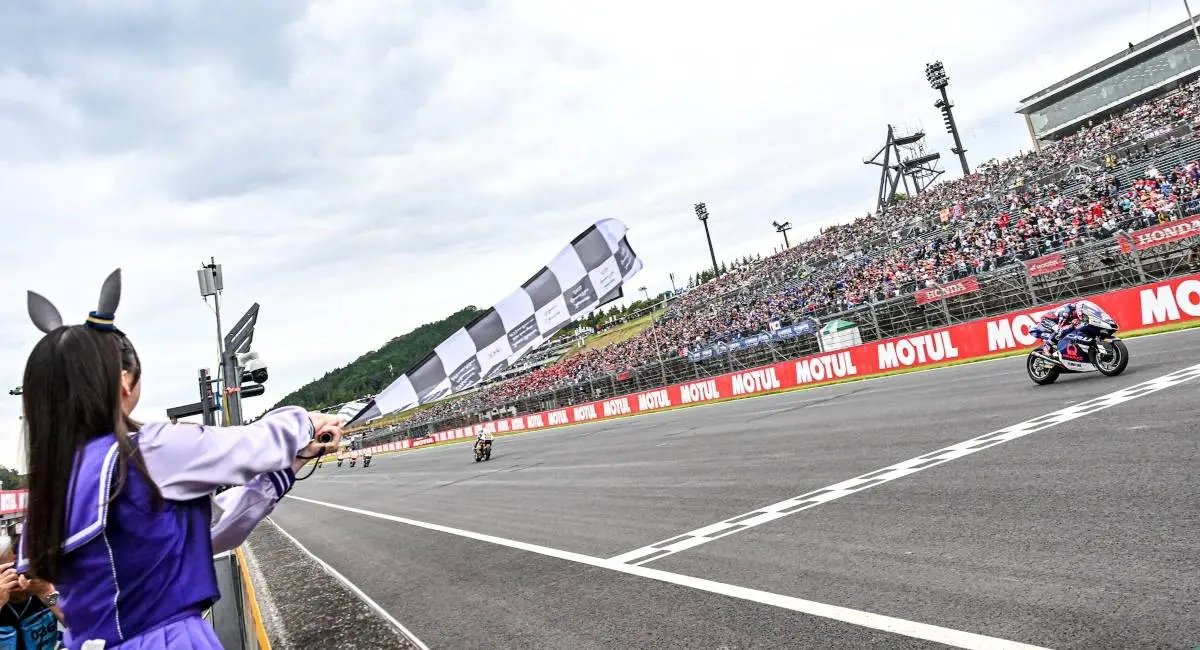
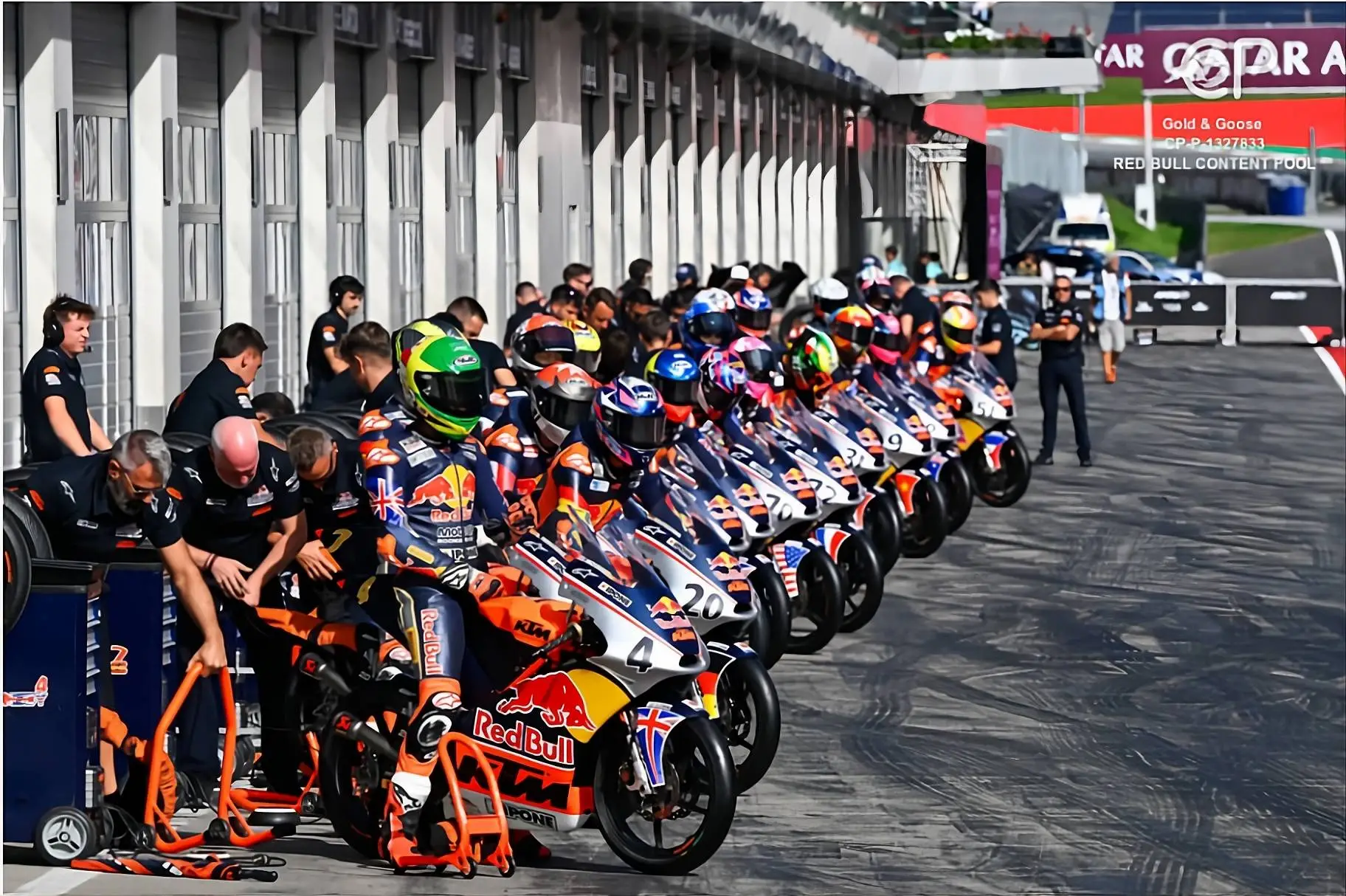
For quite a few years Moto2 and Moto3 have been pushed to the margins, but under Dorna’s regime they still had a bit of space. The arrival of the new Liberty Media management will reshuffle the deck. The first step will be making the MotoGP paddock inaccessible. It sounds like a detail, but it will actually be a radical transformation, set to severely impact the budgets of those racing in these two championships. Because right now even small Moto3 teams, in some way, can sell—not just their image—but also the chance to experience MotoGP up close. When the paddock is locked down and becomes a gilded enclave, that marketing opportunity will be blocked. So the outfits racing in Moto2 and Moto3 will have to radically change their business model.
Prototypes become... single-make
Financially it won’t be a leap into the void, because Liberty obviously needs support categories to bulk up the MotoGP program and cultivate a pool of riders ready to step up to the Premier Class. The first issue is cost reduction. The direct involvement of Manufacturers, once massive, is increasingly rare and will disappear. Moto2 has had a spec engine for years; the smallest class will in 2028 become a full-fledged Yamaha single-make series: the exact same bike for everyone, as happens today in the WCR, the Women’s World Championship. It’s obvious that, in the long run, Moto2 will follow the same path. The next step will be even more radical.
The same path as F1
You know how it works in F1’s support categories, namely Formula 2 and Formula 3? The teams are basically “service providers,” meaning they rent out the single-seaters, support, and a spot on the calendar, with a technical level determined by the budget the driver puts on the table. On bikes, Liberty Media will impose the same model. In cars it’s impossible to reach certain levels without substantial budgets, provided by a millionaire dad or some sponsor. With us, exactly the same thing will happen: only those who can afford it, one way or another, will race. After all, isn’t it already a bit like that now? The “pay driver” will no longer be a debatable exception, but will become the norm. Those who have followed racing for decades won’t recognize it anymore, but business sets the course in today’s elite sport. As Luigi Pirandello wrote: it is so, if you think so.

-> Follow us on Instagram: @Corsedimoto
Continue reading
You might also like
More news
Popular articles
Loading