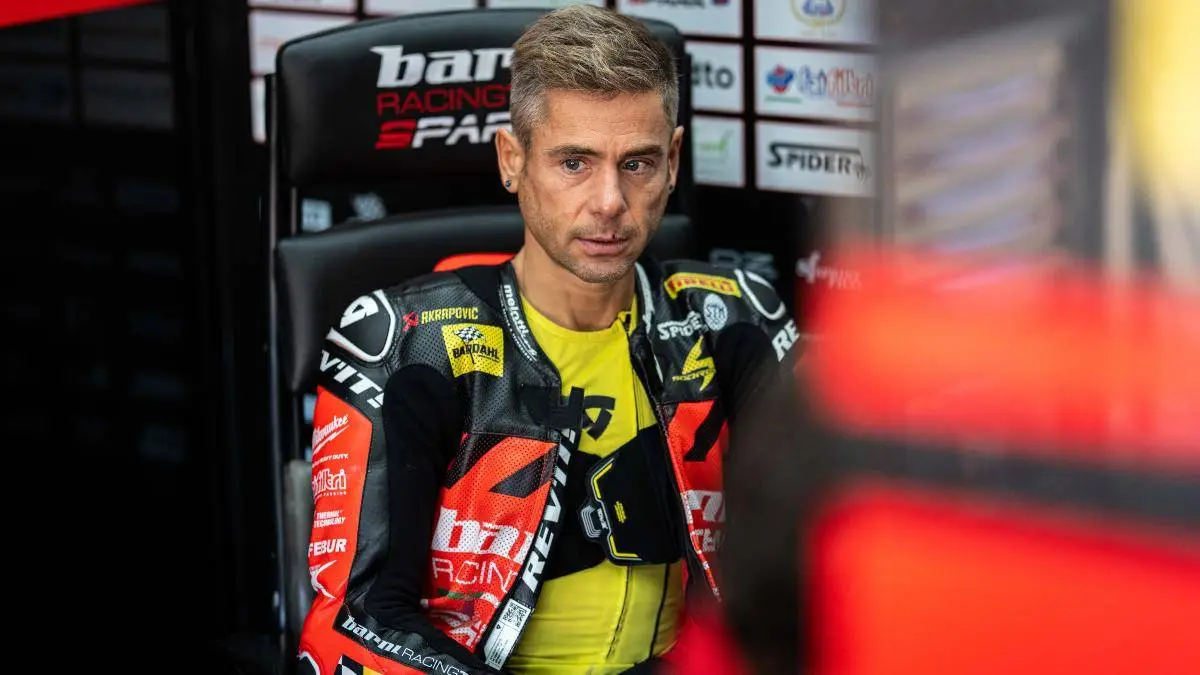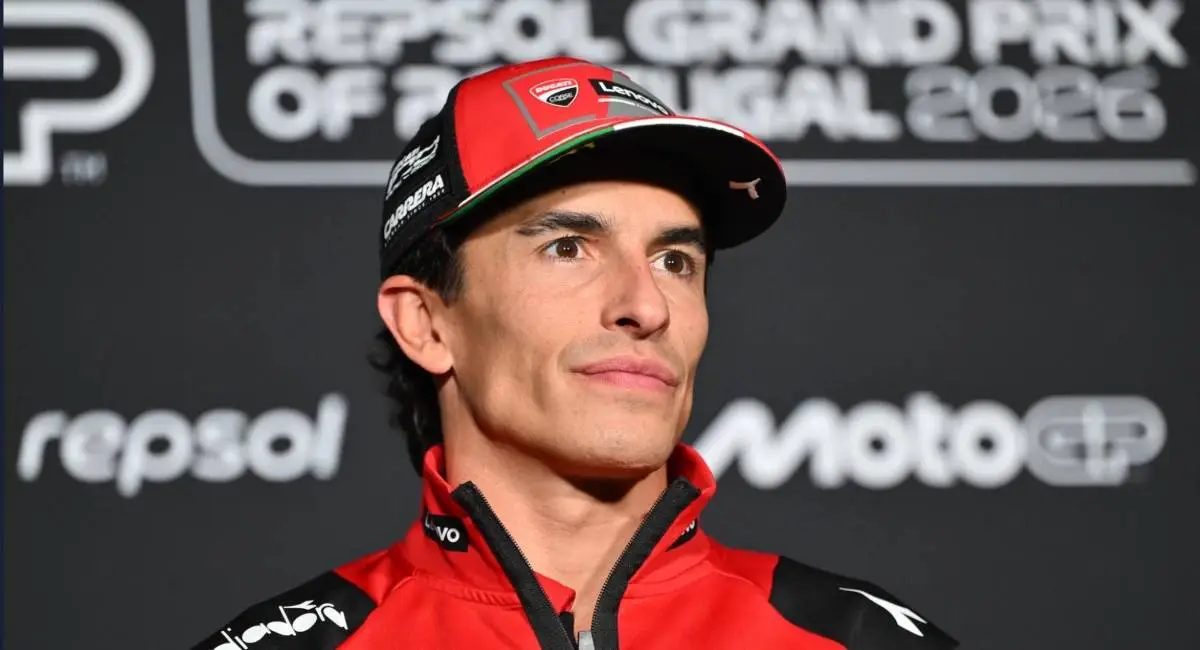
Marc Marquez, barring any unforeseeable twists, is about to get his hands on his tenth World Championship, and his eighth in the premier class. He is closing in on this milestone at the age of 32, after a final phase of his career marked by injuries and remarkable comebacks. He still has two years left on his Ducati contract, but doubts are growing: could MM93 announce his retirement in just a few days?
The 2027 season, in fact, would present him with no shortage of challenges. The first, of course, is Pedro Acosta joining the factory Ducati team—the rising star of the premier class. So far, he has been the only rider to get results out of KTM, so everyone expects him to truly come into his own on the Desmosedici. The second, perhaps an even more decisive factor, is the sweeping change facing MotoGP.
On paper, the 2027 rule changes were supposed to work in Marc Marquez’s favor. But his first experience with the 850cc Ducati has been less straightforward. Rumors in the paddock suggest that the Spanish rider crashed during his first session on the new prototype and, on a second run, came away disappointed with the Pirelli tires.
A crash and tires to figure out
These are signs that should not be dismissed, but neither should they be treated as a verdict: this was only the first few hours of work on a completely new bike. The change of tire supplier could matter just as much as the reduction in engine capacity. Marquez has built his career on his ability to make the most of the front end, push beyond the limit under braking, and save situations that would already be beyond recovery for other riders. Switching from Michelin to Pirelli means recalibrating everything: grip reference points, braking responses, and behavior when leaned over.

The 2027 revolution
The Catalan rider, who has competed in the premier class since 2013, has experienced almost every major recent transformation in MotoGP: electronics, aerodynamics, ride-height devices, and several generations of tires. The 2027 leap, however, is on a different scale. Engine capacity will drop from 1000cc to 850cc, aerodynamics will be scaled back, ride-height devices will disappear, and Pirelli will replace Michelin.
Lighter bikes that are less physically demanding could theoretically suit a rider whose right arm is still fragile. But a bike that is easier to ride is not necessarily easier to understand straight away, and Marquez’s first laps seem to bear that out.
The right-arm issue
At 33, Marquez has more to contend with than adapting to new regulations. His crash at Mandalika in 2025 reportedly caused nerve damage to his right arm and, despite surgery, his recovery is said to remain incomplete. This continues to fuel speculation about a possible early retirement.
It would be premature to draw conclusions now. First, there is a tenth title to add to his trophy cabinet; then winter will show whether the 850cc era and the Pirellis will really become an obstacle or simply the first chapter in a new adaptation. That is, if Marc is still around....
-> Follow us on Instagram too: @Corsedimoto
Continue reading
You might also like
More news
Popular articles