Alarm over MotoGP helmet homologations: Suomy absent—what will Bagnaia do?
MotoGPFriday, 30 January 2026 at 17:30
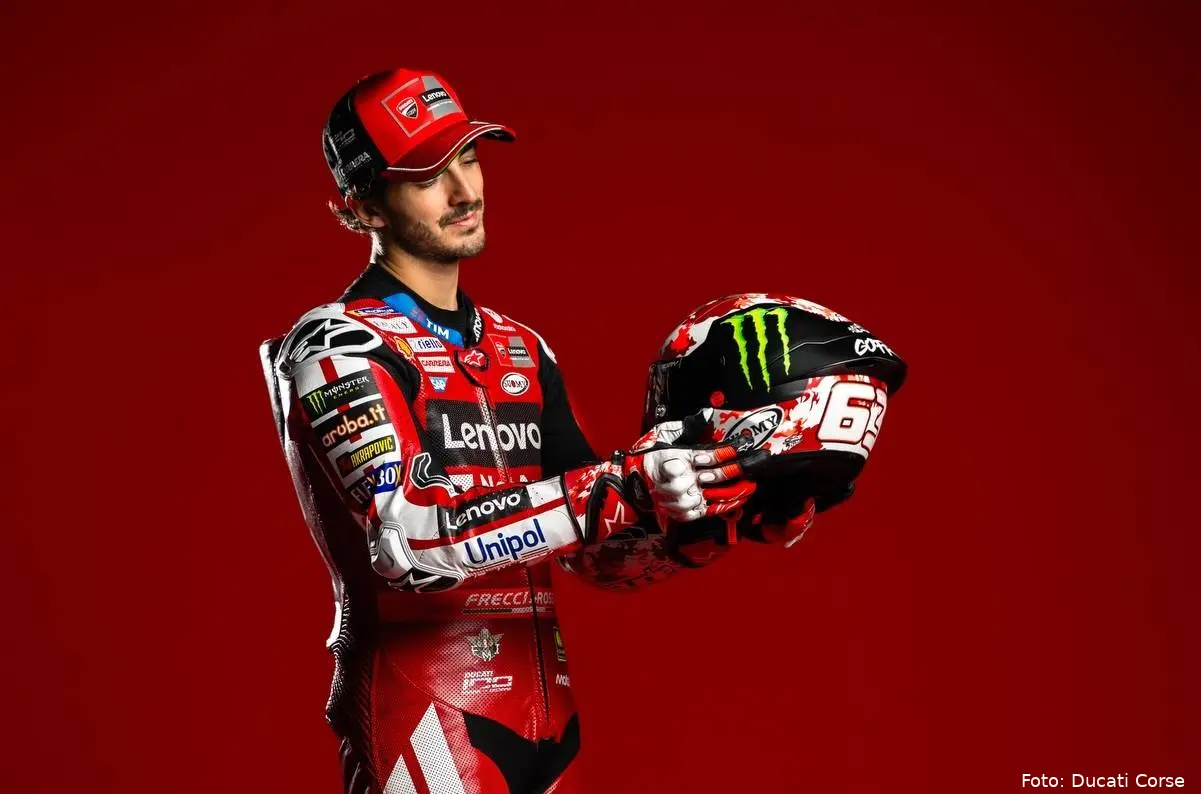
by Marc Seriau/paddock-gp
The helmets that will be mandatory and certified in MotoGP in 2026 are, and will be, undoubtedly safer for us on the road. However, from January 1, 2026, MotoGP riders are required to use FIM FRHPhe-02 certified helmets: a new, more demanding safety standard corresponding to Phase 2 of the FIM homologation process for circuit racing helmets, launched 3 years ago. But one big name is missing!
This week, on the eve of the Shakedown at the Sepang circuit in Malaysia, DORNA, IRTA, MSMA, as well as all MotoGP, Moto2 and Moto3 riders, received a reminder letter asking each of them to carefully check the list of helmets that comply with these standards and are officially certified, and to take all necessary precautions to avoid arriving at the first Grand Prix without helmets that comply with the new FIM FRHPhe-02 certification standard.
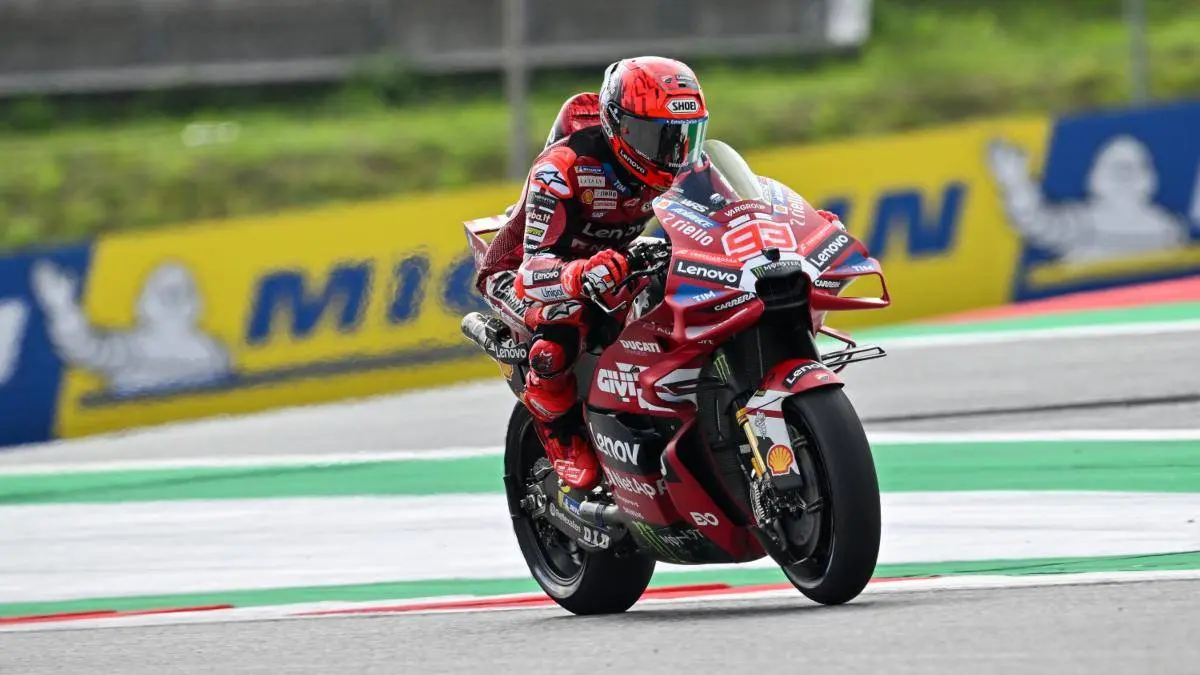
Below you will find the full list of these certified helmets for the upcoming speed season, and the most attentive among you will notice that Suomy, Francesco Bagnaia’s helmet brand, is missing!
Ouch! Will the Ducati rider be stuck in Malaysia, waiting for further certifications? Or worse, in Thailand for the first Grand Prix of the 2026 season?
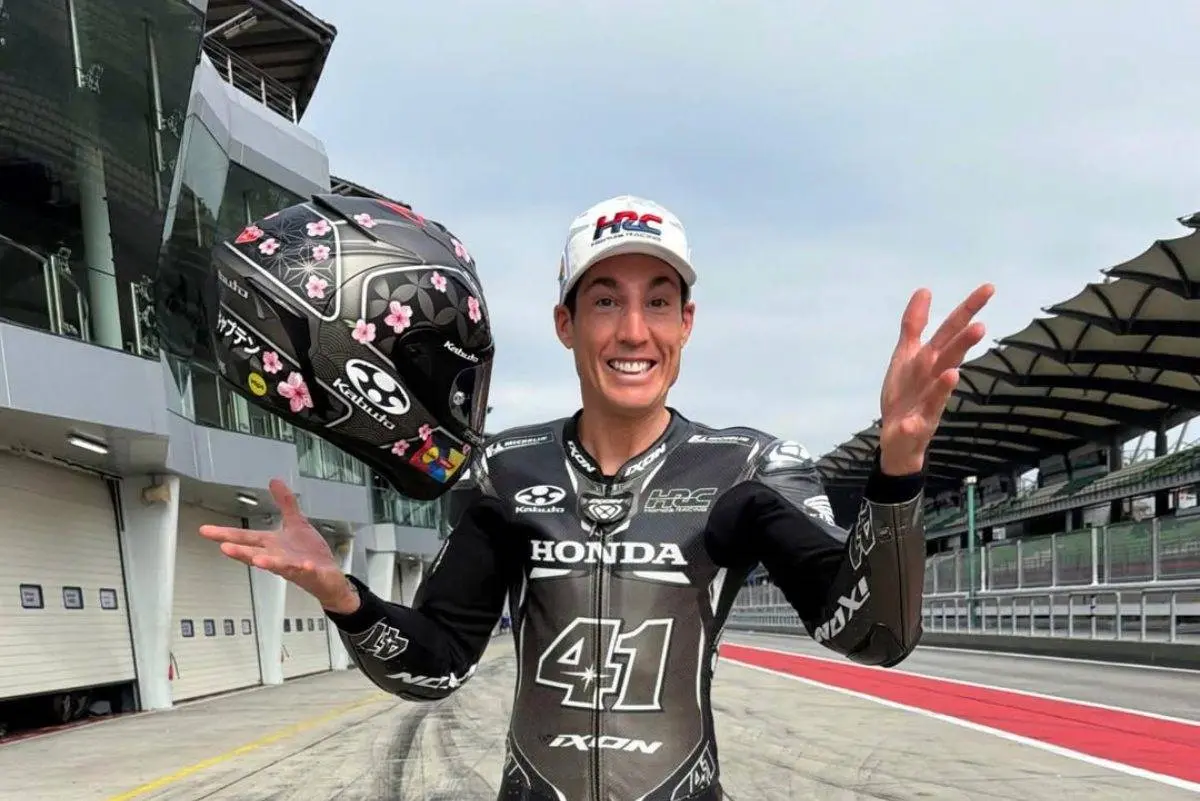
No, because we still remember Andrea Dovizioso’s incident at the start of 2019 with a helmet that was supposed to be Alpinestars... And, indeed, some brands have already declared themselves ready to assist riders whose helmets are not on this list. This means “providing certified helmets to be placed under the stickers of the rider’s non-certified brand.” The most attentive among you might enjoy finding the list of riders involved and the helmets actually used under the stickers...
How is the FIM FRHPhe-02 standard safer?
To answer this question and to document all of its safety-related programs (barriers, signaling, paint), the FIM has created a dedicated website. However, regarding helmets, it is enough to note that the FIM’s testing approach first evaluates the helmet’s response to linear impacts of very high and medium-low severity, applied randomly to 9–13 areas among 22 predefined positions distributed over the entire surface of the helmet. This method aims to consistently assess the level of protection against skull fractures and to characterize the mechanical properties of the protective liner (or impact-absorbing inner shell).
With an innovative approach, the FIM test procedure pioneered the assessment of a helmet’s response to moderately severe oblique impacts, with the objective of measuring the level of protection against brain injuries caused by critical rotational accelerations. The oblique test represents the most innovative and modern aspect of testing methods, as it reflects a very common scenario in real-world accidents, even though it had never before been considered in international standards.
The cheek pads must incorporate a quick-release system, identified by a red tab.
In addition, the protocol includes a penetration test to verify the shell’s resistance to impacts with sharp or pointed objects.
In summary: the key elements of the FIM FRHPhe-02 standard
- High-energy linear impacts tested on 9–13 helmet zones
- Oblique tests to limit rotational accelerations (brain trauma)
- Penetration tests against sharp objects
- Reinforced chin strap and foam, quick-release pads
- Mandatory from 2026 (also for off-road use)
The strictest helmet standard ever imposed in motorcycle racing.
The certified helmets


Continue reading
You might also like
More news
Popular articles

Loading