BMW M 1000 RR 2027: Third-Generation M Motorsport Chassis Arrives, 1.3 kg Lighter and with More Track Feel
Dreams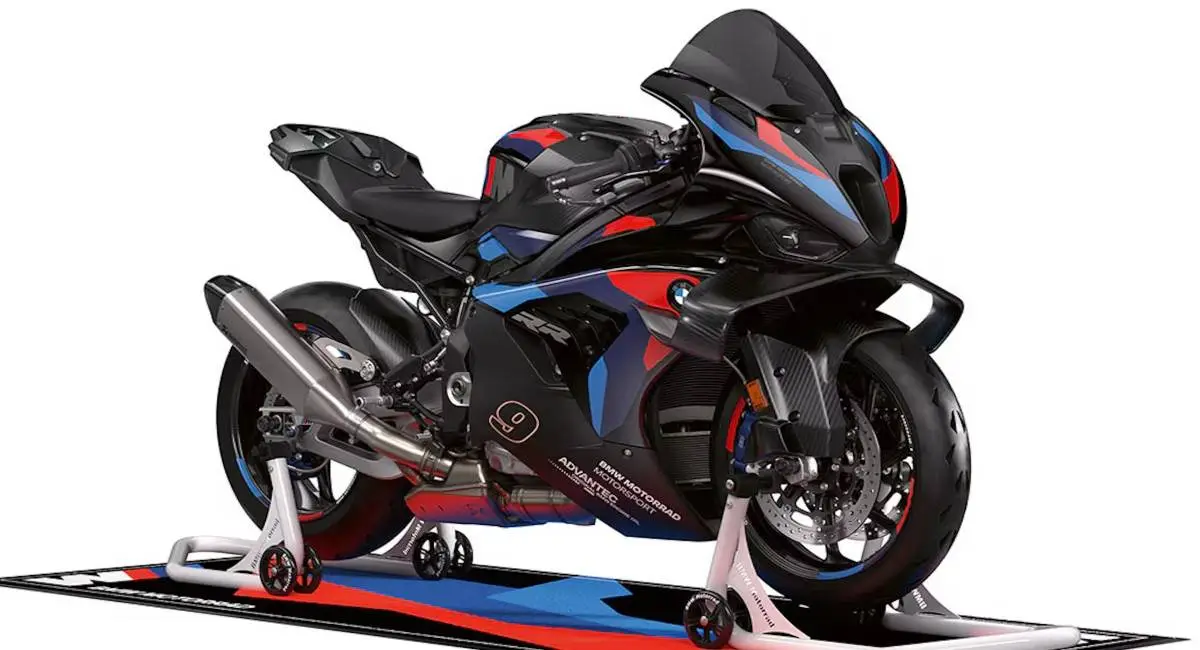
The BMW M 1000 RR is changing the least visible—and perhaps most important—part of the motorcycle. For model year 2027, the German superbike will come standard with the third generation of the M Motorsport chassis, which is lighter and features a stiffness distribution designed to improve response during sporty riding and on the track
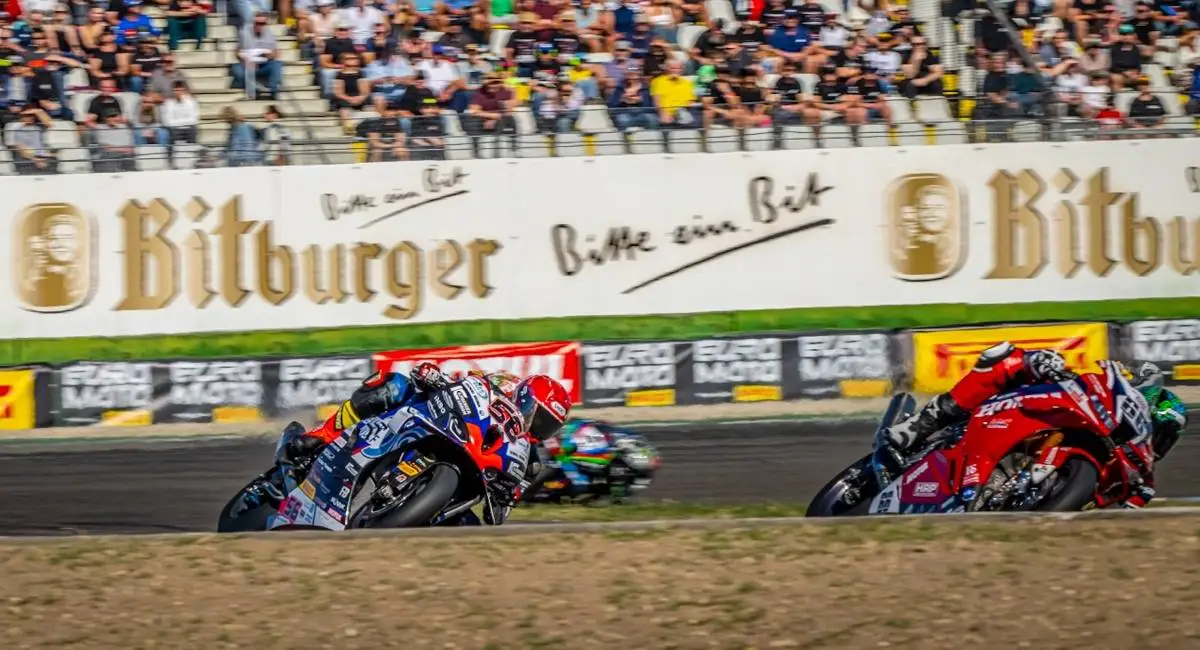
It is another example of racing experience making its way into production models. BMW Motorrad has developed a lighter construction and a stiffness setup designed to enhance handling precision and tire contact with the road. The unit is derived from the chassis used by Toprak Razgatlioglu in the 2024 World Championship, thanks to regulatory concessions, and was banned for the following two seasons because it was not fitted to the road-going model. From next season, it will once again be eligible for use in racing.
1.3 kg lighter
The new aluminum chassis weighs around 1.3 kg less than its predecessor. The weight saving comes from an evolved structure and revised wall thicknesses, reduced by up to 30% in some areas.
Weight, however, was not the only goal. BMW Motorrad has also revised the chassis’s stiffness and flex characteristics to tailor its behavior to the demands of an ultra-high-performance motorcycle.
Flexible in corners, rigid under braking
When the M 1000 RR is leaned into a corner, the chassis can flex laterally in a controlled manner. This works alongside the suspension to absorb road-surface irregularities and helps keep the tires in more consistent contact with the asphalt. Longitudinally, by contrast, the structure retains a high level of rigidity, precisely transmitting the forces generated under braking and acceleration.
Combining these two characteristics is intended to deliver a more predictable response, greater precision during direction changes, and more manageable handling as the pace increases. BMW also points out that this setup gives the rider clearer feedback and promotes more even tire wear.
Munich, Landshut and Berlin
The project combines digital simulation, validation testing, and specialized production processes at three BMW Group locations: Munich, Landshut and Berlin. The chassis is developed within a digital process chain that runs from initial design through to series production.
In Munich, engineers define the geometry, wall thicknesses and stiffness distribution, then validate their solutions through simulations, test benches and road testing. The data approved at this stage becomes the reference for manufacturing components to exacting standards of precision and repeatability. This approach makes it possible to study the structure’s behavior before the molds and final parts are even made.
We will have to wait for the arrival of the 2027 BMW M 1000 RR to see the new chassis in action; it will be the first model to feature it as standard.
-> Follow us on Instagram too: @Corsedimoto
Read also
Sources: Motosan
Continue reading
You might also like
More news

Popular articles
Loading