Kazakhstan: the Superbike Cup lights up Sokol, amid pending homologations and a future to secure
Stories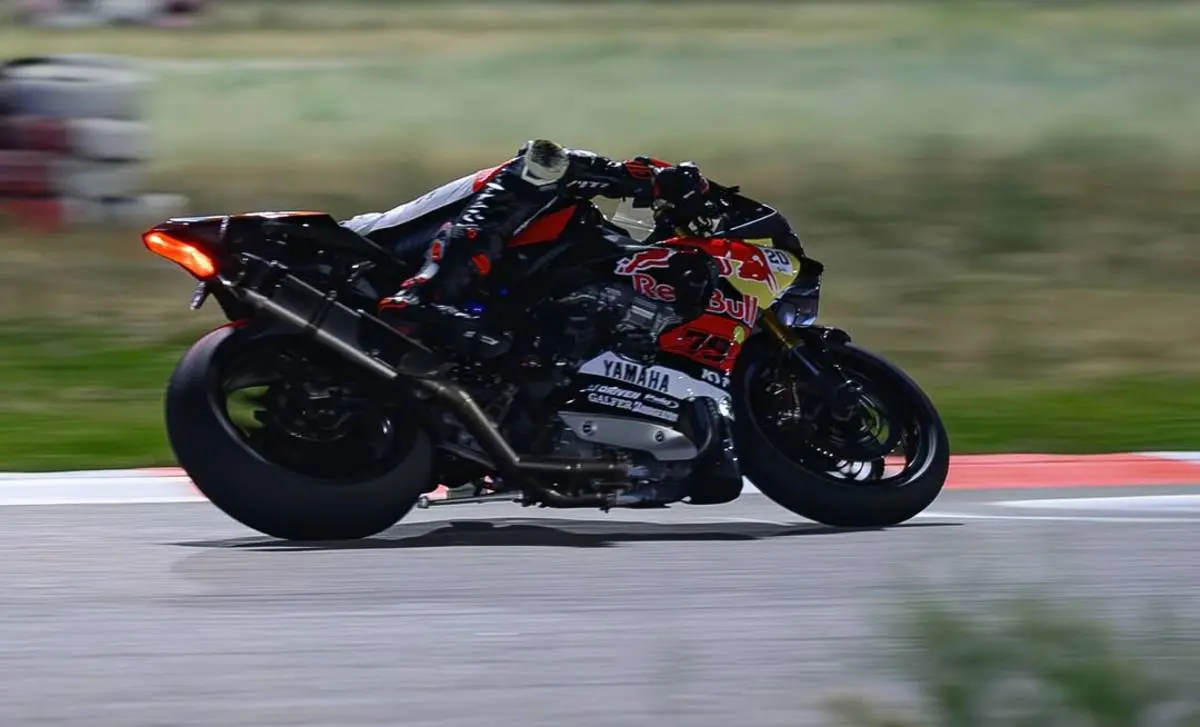
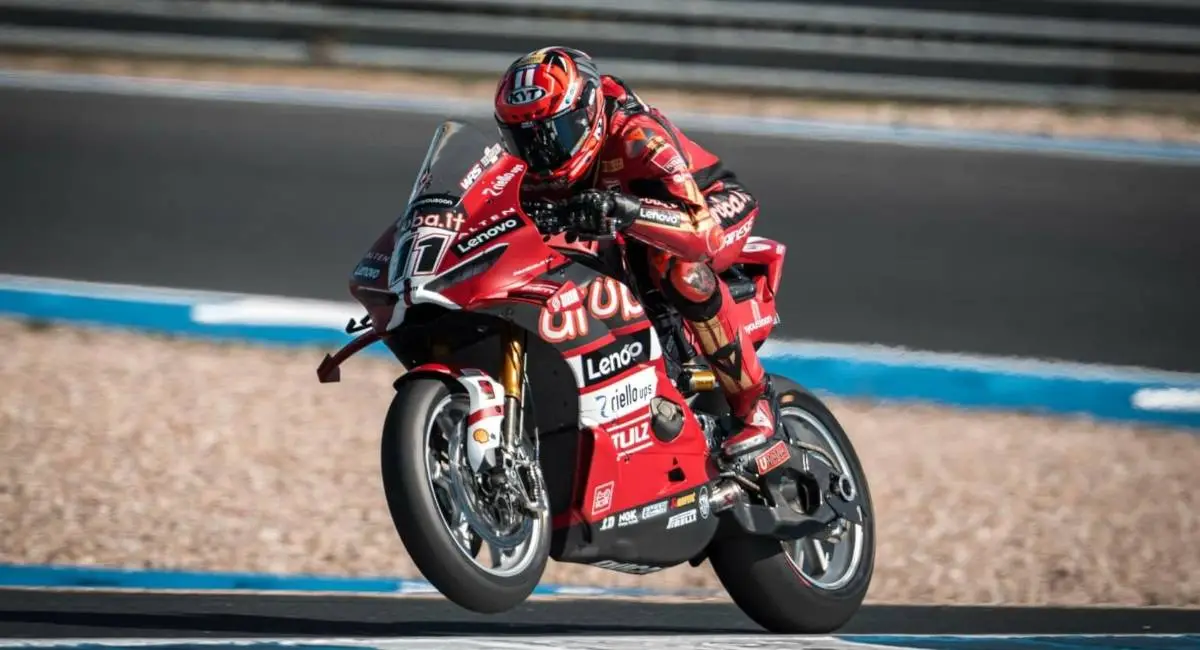
Superbike machines thunder around the Sokol International Racetrack. Not the World Championship ones, of course, but while the venue awaits completion and the chance to host major events, the Kazakhstan circuit is staging a trophy called the Sokol Superbike Cup. In the autumn, the outright motorcycle lap record was set by a Kazakh rider on a Ducati Panigale V4. The 2026 calendar features five rounds.
While it’s true that the big leap into the World Championship remains a bureaucratic mirage, the roar of engines is already strong in Kazakhstan. But let’s take a step back. The Sokol International Racetrack was conceived as a very ambitious project. It was meant to be the gateway for top-level global motorsport into Central Asia, a sort of new frontier of racing, backed by Kazakhstan to secure a regular spot on international calendars. The circuit was designed by renowned architect Hermann Tilke, the same mind behind many Formula 1 tracks. From a technical standpoint, the Sokol International Racetrack is a true, modern circuit, 4,495 meters long and theoretically capable of hosting major competitions once the necessary homologations are obtained.
The moment that should have marked its consecration was entry into MotoGP. A multi-year contract had been signed and the Kazakhstan Grand Prix was already on the calendar, but this is where the project began to show cracks. In 2023 the race was canceled because the track was not yet ready in terms of FIM homologation. In 2024, the situation did not improve. The Grand Prix was first postponed and then scrapped entirely, also due to severe floods that struck the region and damaged infrastructure and logistics. From 2025 onward, Sokol simply disappeared from MotoGP calendars and, as of today, there is no concrete confirmation of its return to the world championship.
The circuit has now found its ideal niche in the Superbike Cup. It’s not just a local race. It’s the laboratory where Central Asian motorcycling has gathered to grow. The Superbike Cup has become the event that keeps the flame alive, with riders coming from across the region and a paddock brimming with passion. Running an event of this kind also means keeping a complex machine in motion: marshals, safety, timing, and emergency management.
The year 2026 is crucial for the venue’s future, to determine whether it will become a permanent stop on the world stage or remain a facility devoted exclusively to national events.
Continue reading
You might also like
More news
Popular articles
Loading