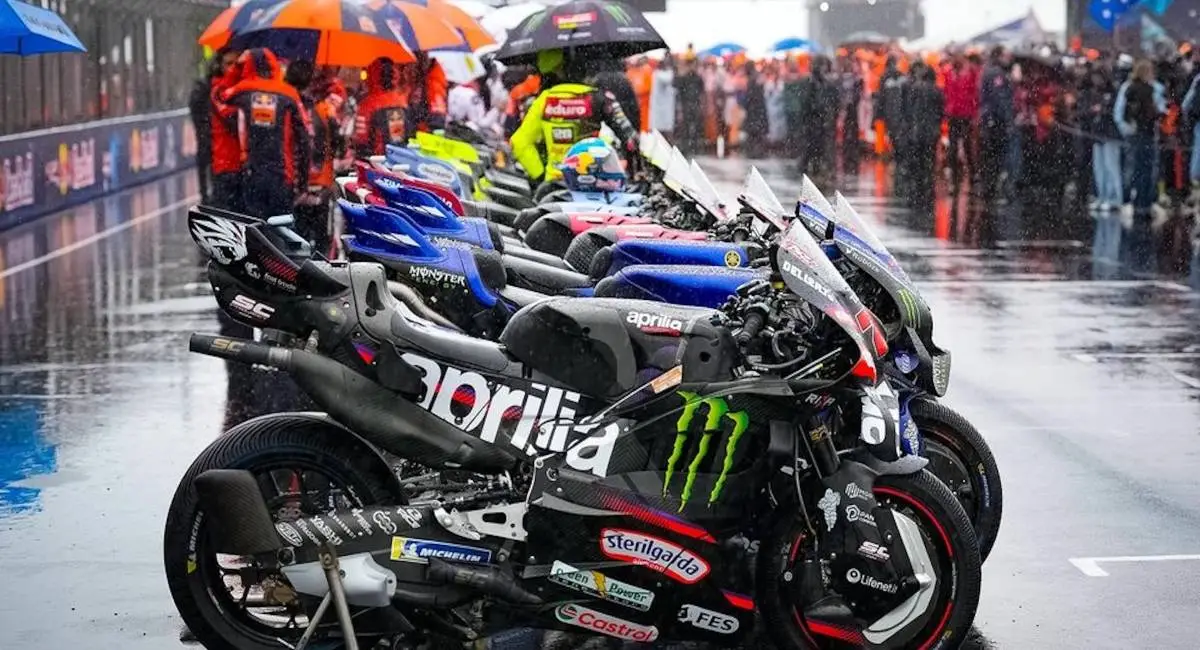
MotoGP leaves its most captivating circuit in the saddest way possible: without racing, as a relentless downpour draws to a close. Phillip Island, the land of dreams for all of us fans, deserved a more fitting finale.
Sadly, that’s how it went, to the disappointment of many and the great relief of a few—in other words, those who hold the reins of MotoGP in this era. Phillip Island is the embodiment of our passion: a fantastic, fast circuit, often unforgiving to riders and all the more captivating for it, because risk, let’s never forget, is what makes this sport special. But, by the same token, Phillip Island is the antithesis of today’s “model” MotoGP venue. Here’s why.
Weather on the edge
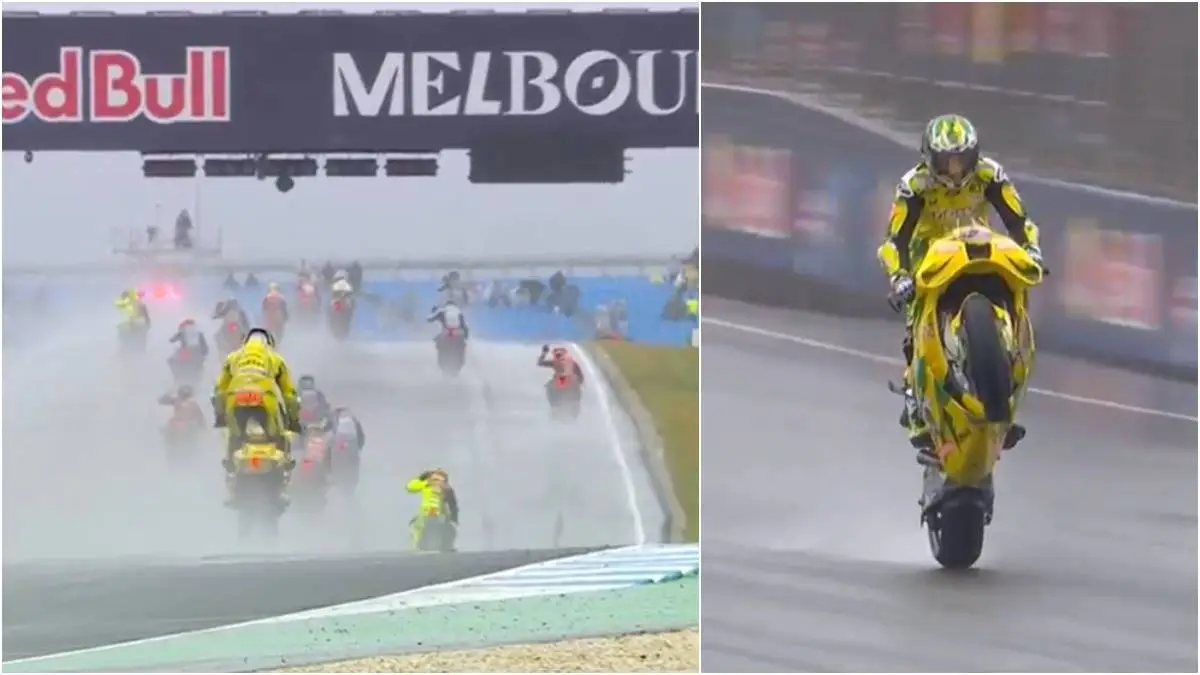
The name says it all: we’re on a small island, albeit one connected to mainland Australia by a convenient bridge. On one side lies the calm waters of Melbourne Bay; on the other, the vastness of the ocean, with the South Pole the next stop. Storms sweep in fast here, driven by fierce winds, and when it rains, it really pours. Back in 2001, race 2 of the Superbike round was cancelled because conditions were so extreme: so much water came down that some ambulances alongside the track were left submerged and unable to move. From a safety standpoint, there’s also the distance from Melbourne, home to the best-equipped hospitals. It’s 130 kilometres away—less than half an hour by helicopter. But with no visibility, helicopters can’t fly. Perhaps the race would have gone ahead with the same rainfall at another venue. Here, it was impossible. It’s unclear why the emergency plan from 2023 wasn’t activated, when the GP was held on Saturday instead of the Sprint to get ahead of a storm that had been forecast for days.
Rain is only one factor. When it doesn’t rain this time of year, strong winds and low temperatures put the tyres under pressure, on top of the strain caused by three ultra-fast sweeping bends unlike any others in the world. In other seasons, it’s been the heat that has thrown plans into disarray.
Structural problems
The reasons MotoGP will no longer race at Phillip Island, however, have nothing to do with the weather and everything to do with marketing. First, there’s its location: for a “system” that aspires to race in cities, close to five-star hotels and large crowds, this place is at the opposite end of the spectrum. Road access has improved in recent years, but the circuit is still a long way from anywhere—unless you have a helicopter. The biggest problem is the facilities. The garages are tiny, and VIP areas are practically nonexistent. They can’t build any, because the whole island is a nature reserve protected by very strict environmental laws. There’s no way to cater here to guests who can spend 3,000–4,000 dollars on a day with riders, oysters and glasses of champagne. The facilities you see on TV in the paddock, including offices and areas reserved for teams, are all set up just a few days before the GP and taken down immediately afterwards. There’s also a noise limit that prevents engines from being started before or after certain hours, so as not to disturb the wildlife.
Liberty Media’s Americans didn’t invest 4 billion in MotoGP to watch penguins at sunset, but to make money. They couldn’t wait to say goodbye to Phillip Island.

What’s left? A parade lap for the spectators who waited out the deluge
MotoGP’s insatiable appetite
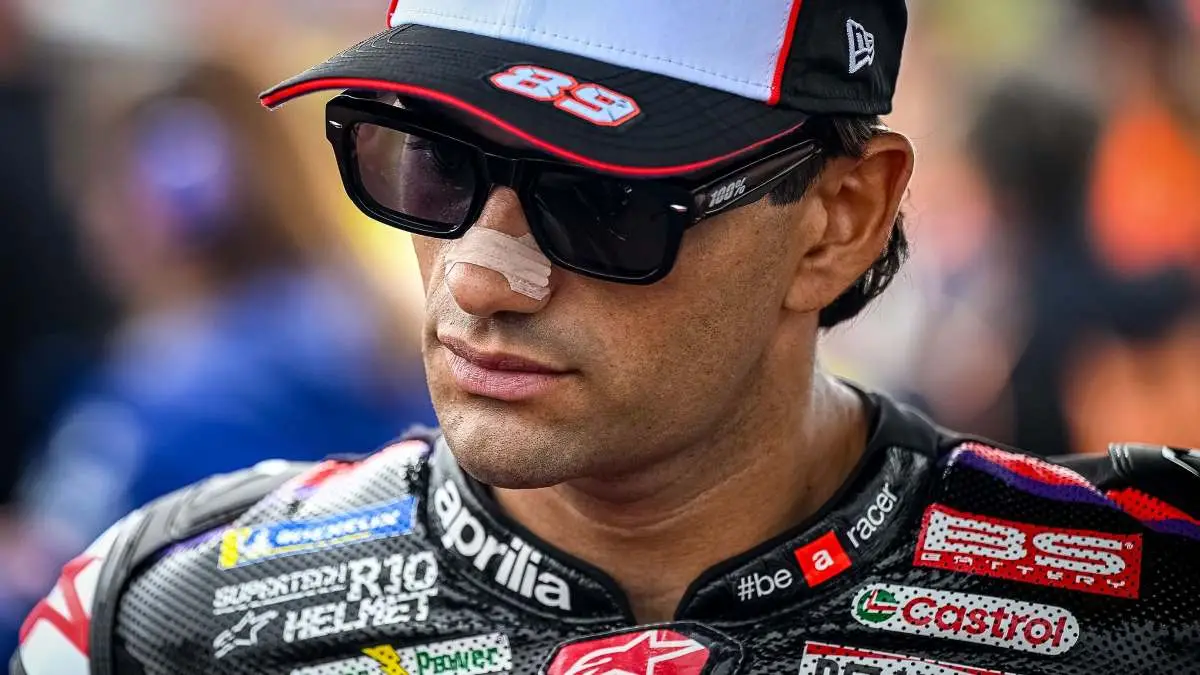
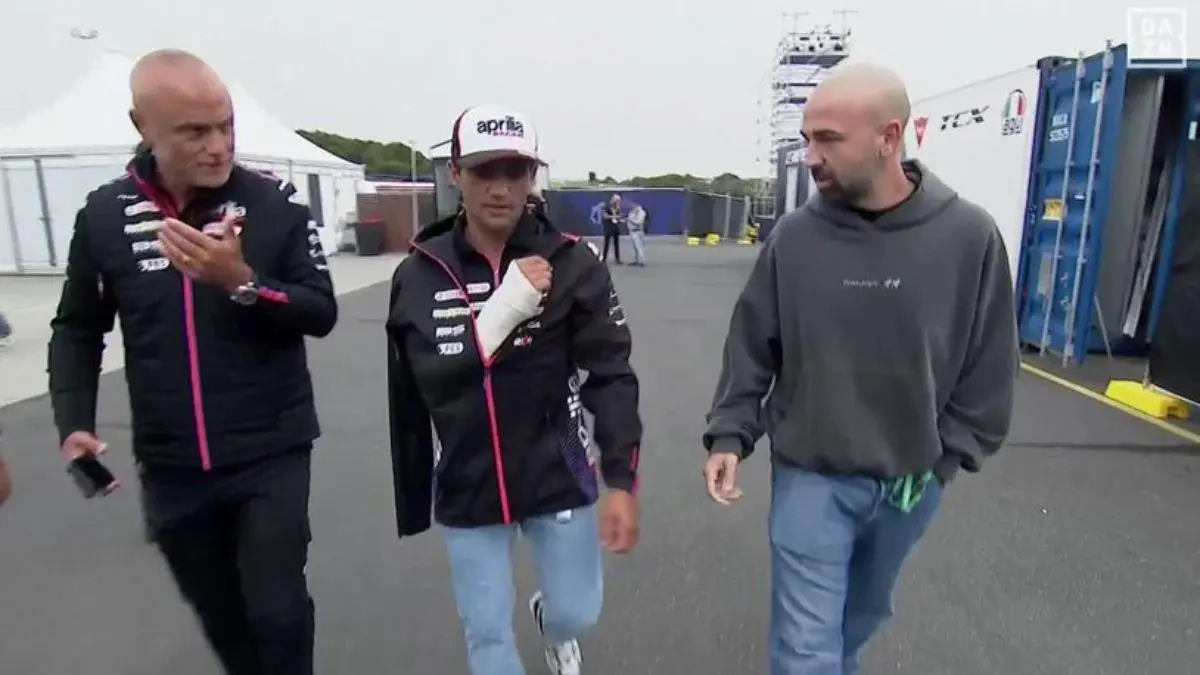
This disconnect between passion, identity and business will be a hot topic in the years ahead, because the revolution ushered in by Liberty Media has only just begun and will profoundly change the sport we love. After Jorge Martin’s injury, social media erupted with debate over a season of 22 GPs and 44 races, pushing riders’ health to the limit, along with that of the technicians and staff who now spend eleven months of the year travelling around the world. Only in Brazil was the full grid of 22 “fastest riders in the world” present; at every other GP, someone was missing—often more than one leading rider. But this insatiable calendar is also an unstoppable trend: more GPs, more money.
More races boost business and feed the entire chain of command: promoters and teams. Riders complain, but they’ve become mere pawns in a much bigger and more powerful “game.” The people on track have always been highly susceptible to pressure, even when the stakes were far lower—just imagine what it’s like now.
So saying goodbye to Phillip Island and an increasingly packed calendar are just two of the many changes MotoGP’s “new era” is imposing. Many won’t appeal to us “old-school” fans, but we’ll keep watching the races anyway, perhaps no longer seeing ourselves in them. And those in charge will make money—more and more money. That’s the way the world works today.
P.S. At this point, Superbike will have the honour of giving Phillip Island its real send-off next February. Even on sad days, there’s always something good left behind.
-> Follow us on Instagram too: @Corsedimoto
Continue reading
You might also like
More news
Popular articles
Loading