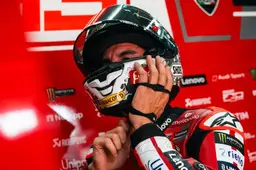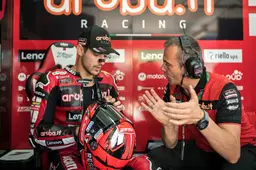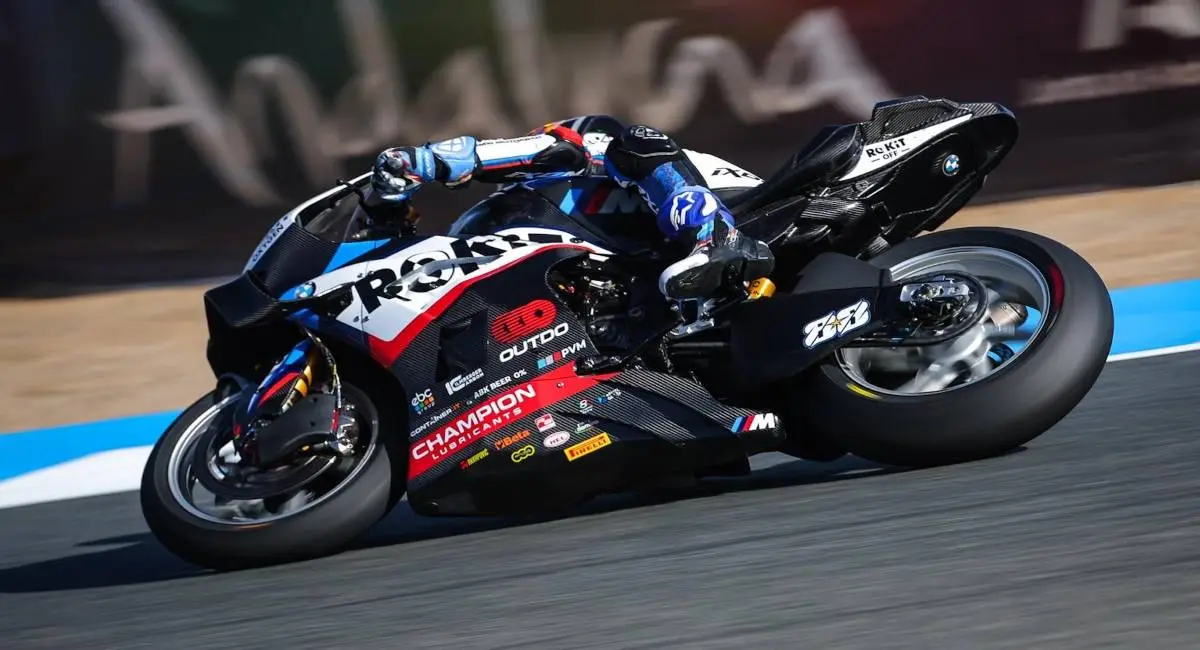
After winning two World Superbike titles with Toprak Razgatlioglu in 2024 and 2025, BMW endured a 2026 season full of setbacks. The Turkish rider’s move to MotoGP forced the Munich-based manufacturer to rethink its project, and motorsport director Sven Blusch now admits that rebuilding will take time. The question is: will they have that time?
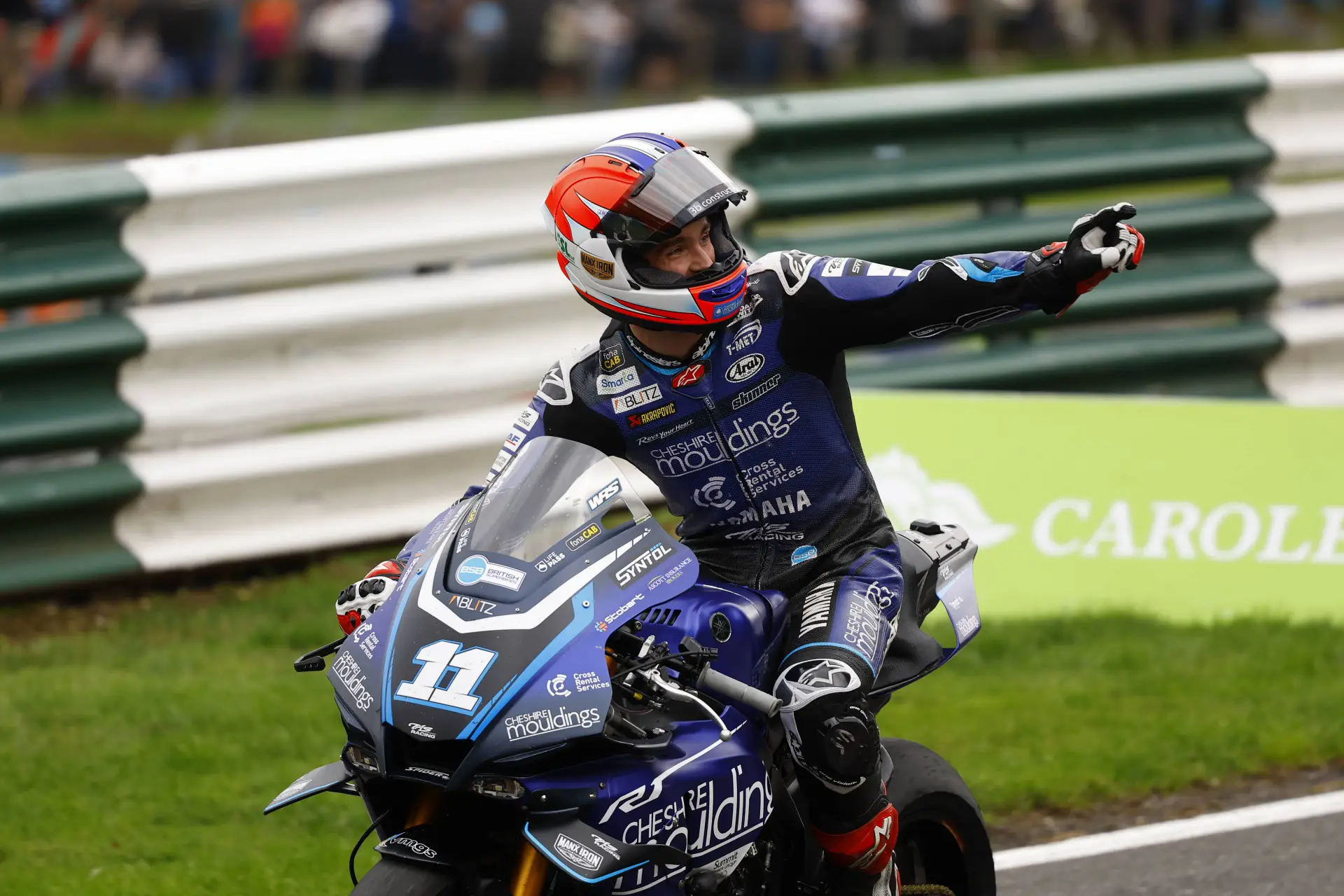
This season has been far worse for the German giant than Miguel Oliveira and Danilo Petrucci’s modest World Championship results might suggest. The M1000RR has also missed the mark in other series that previously helped boost the brand’s prestige and drive sales of Munich’s superbike. BMW has lost the MotoAmerica title by a wide margin, has become a bit-part player in British racing, and is in much the same position in the CIV. But the most costly setback commercially has come in road racing: Honda dominated the Isle of Man TT, an enormously important platform from a commercial standpoint.
The racing project is failing
To replace Toprak, BMW opted for two experienced, fast riders in Miguel Oliveira and Danilo Petrucci. So far, the tally stands at four third-place finishes and nothing more, partly because both riders suffered serious injuries during the season and spent a long time on the sidelines.
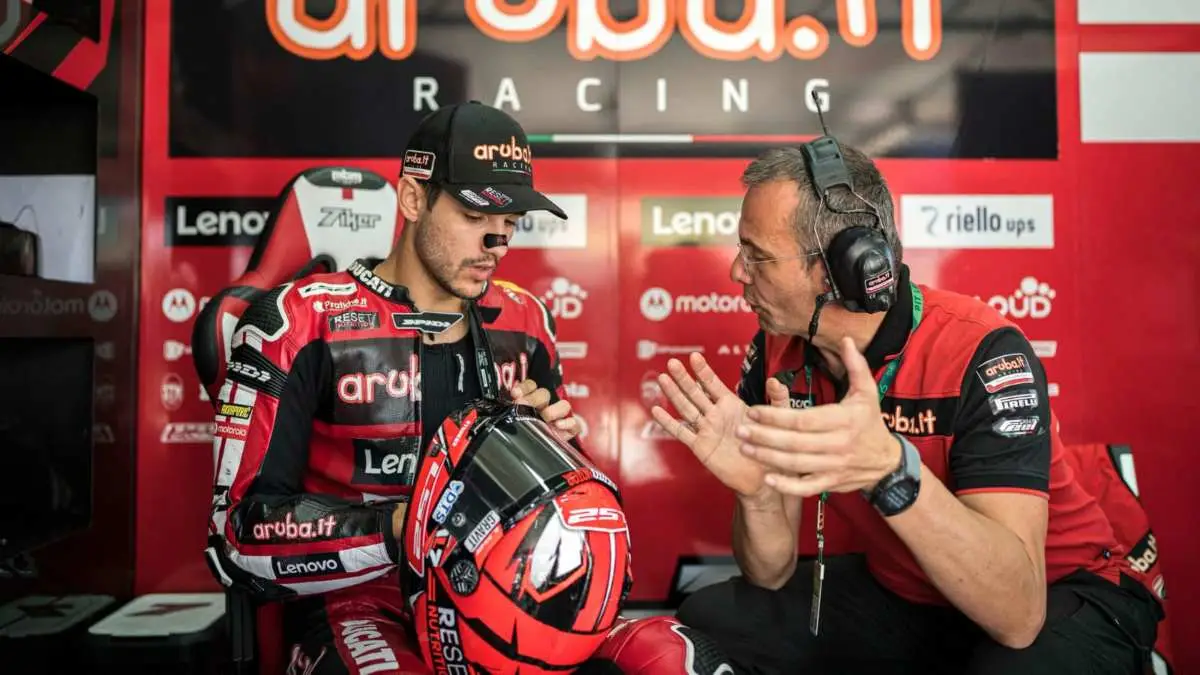
The most obvious problem is structural. After losing the Bonovo team, BMW is fielding only its two factory bikes and has no satellite team capable of providing additional data. That is a major disadvantage against a manufacturer like Ducati, which has nine bikes on the grid—especially when information is shared so closely among the Ducati riders.
Blusch makes no secret of it: "This year, we decided to focus on a long-term plan in Superbike. We didn’t have enough time to organize things in a way that would put more than two riders on the grid. We would be very happy to do so, but it has to happen in the right way so we can benefit from it. We still have our test team, which allows us to collect data on track, and that helps us".
The sticking point, the executive explains, was the lack of a multi-year plan: "The plan for the future would be to have more bikes on the grid, but until we had a long-term program in place, it was difficult to take that step. If you talk to a team and can’t offer it the chance to work with a manufacturer for the next three years, it’s not easy to convince it to make a change. We need the right timing and the right team, and then we could take that step".
Blusch is, of course, concealing the main problem: the substantial reduction in the resources BMW has invested in its 2026 racing program.
Is BMW’s commitment wavering?
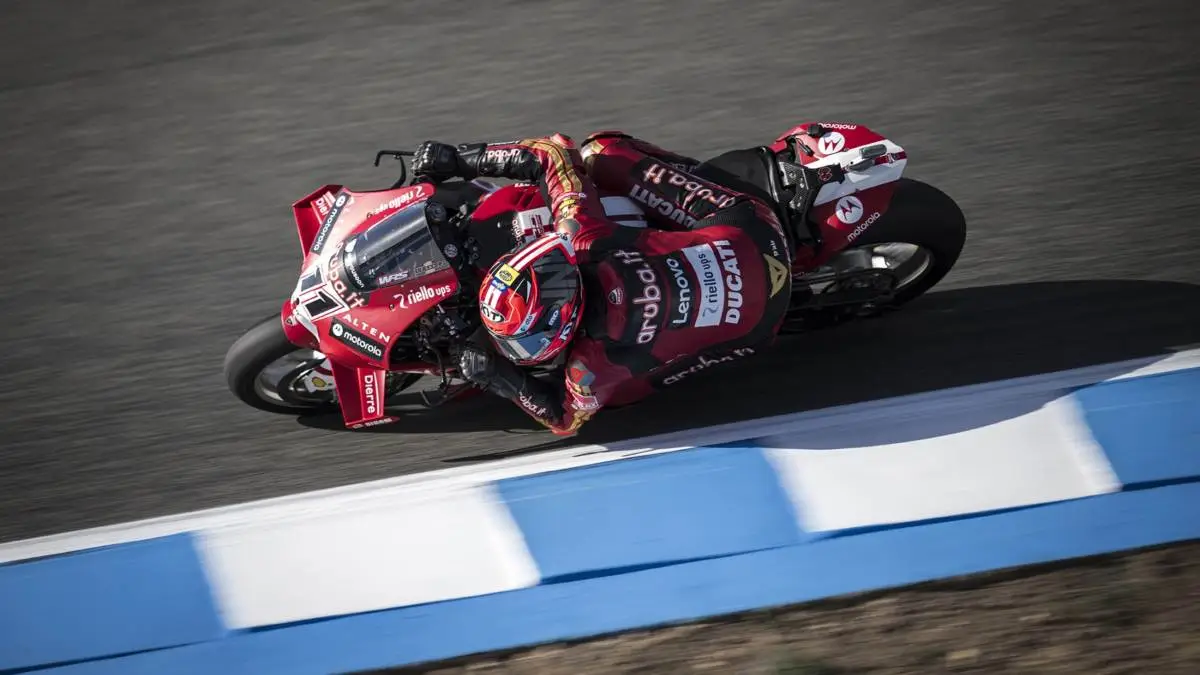
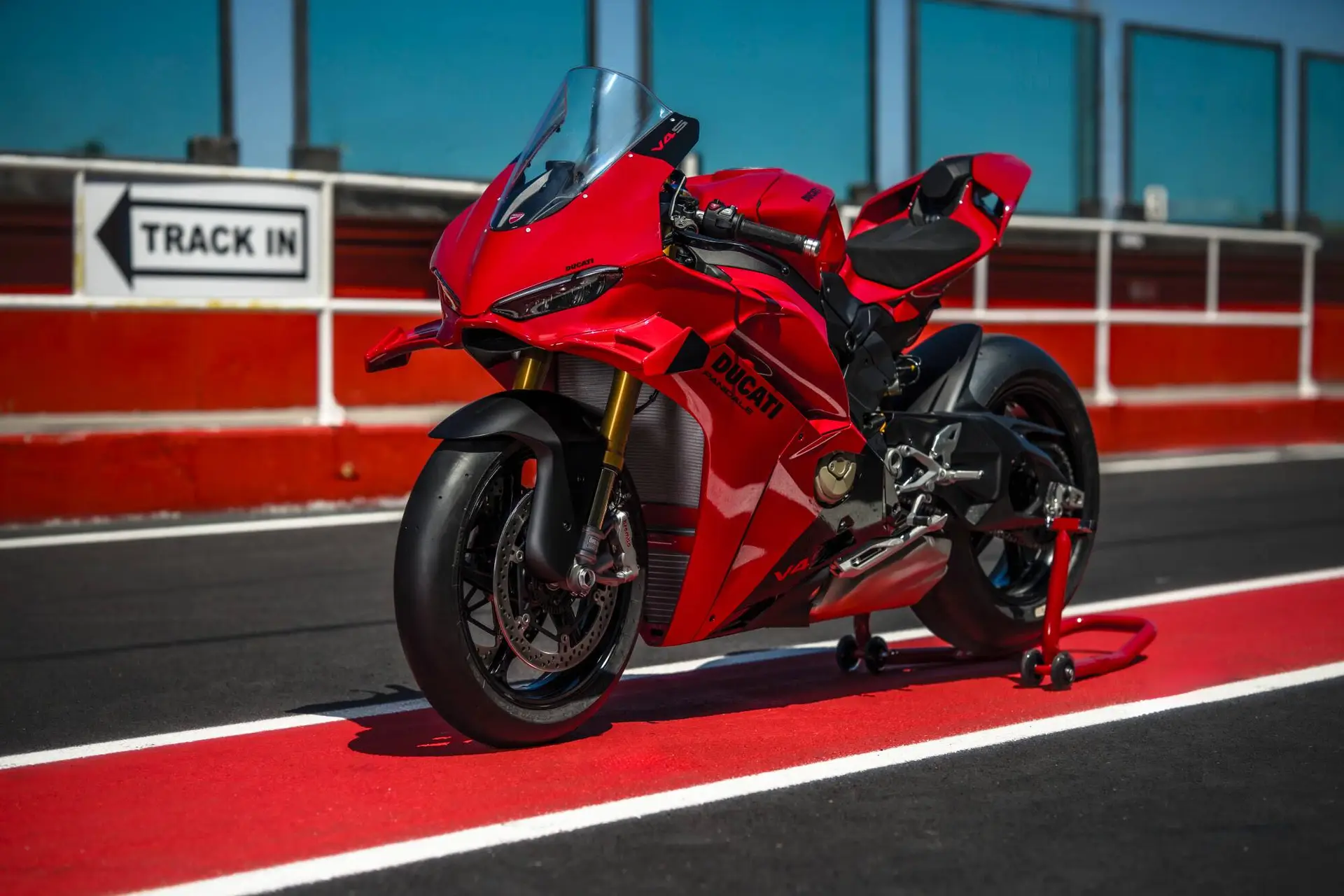
The German brand spends an astronomical sum to compete in the World Superbike Championship, while racing is a great deal for Ducati. The Aruba team is owned by the IT company, which covers part of the budget. In addition, Borgo Panigale recoups millions of euros by selling Panigale V4 Rs to satellite teams. So Ducati not only dominates, it also makes money. BMW, on the other hand, invests only to lose. The budget allocated to motorcycle racing is, of course, insignificant in the accounts of a giant of this size. But political considerations have to be taken into account. Germany’s automotive industry is in deep crisis, and BMW divisions have also begun issuing advance notice of layoffs.
In this kind of macroeconomic climate, cutting the racing budget is the first thing that comes to mind for the board of directors. What’s more, BMW Motorrad’s leadership changes every two years, so the scope for long-term planning is necessarily limited.
Blusch talks about 2028, but it is fair to ask: two years from now, will BMW still be so heavily involved in Superbike?
In the meantime, the factory team is getting a new look: Petrucci will make way for Brad Binder, who is arriving from MotoGP and KTM. The future remains unwritten for the rider from Terni, as reported in SBK: Danilo Petrucci shut out at Go Eleven, now only one option remains.

-> Follow us on Instagram too: @Corsedimoto
Continue reading
You might also like
More news
Popular articles
Loading