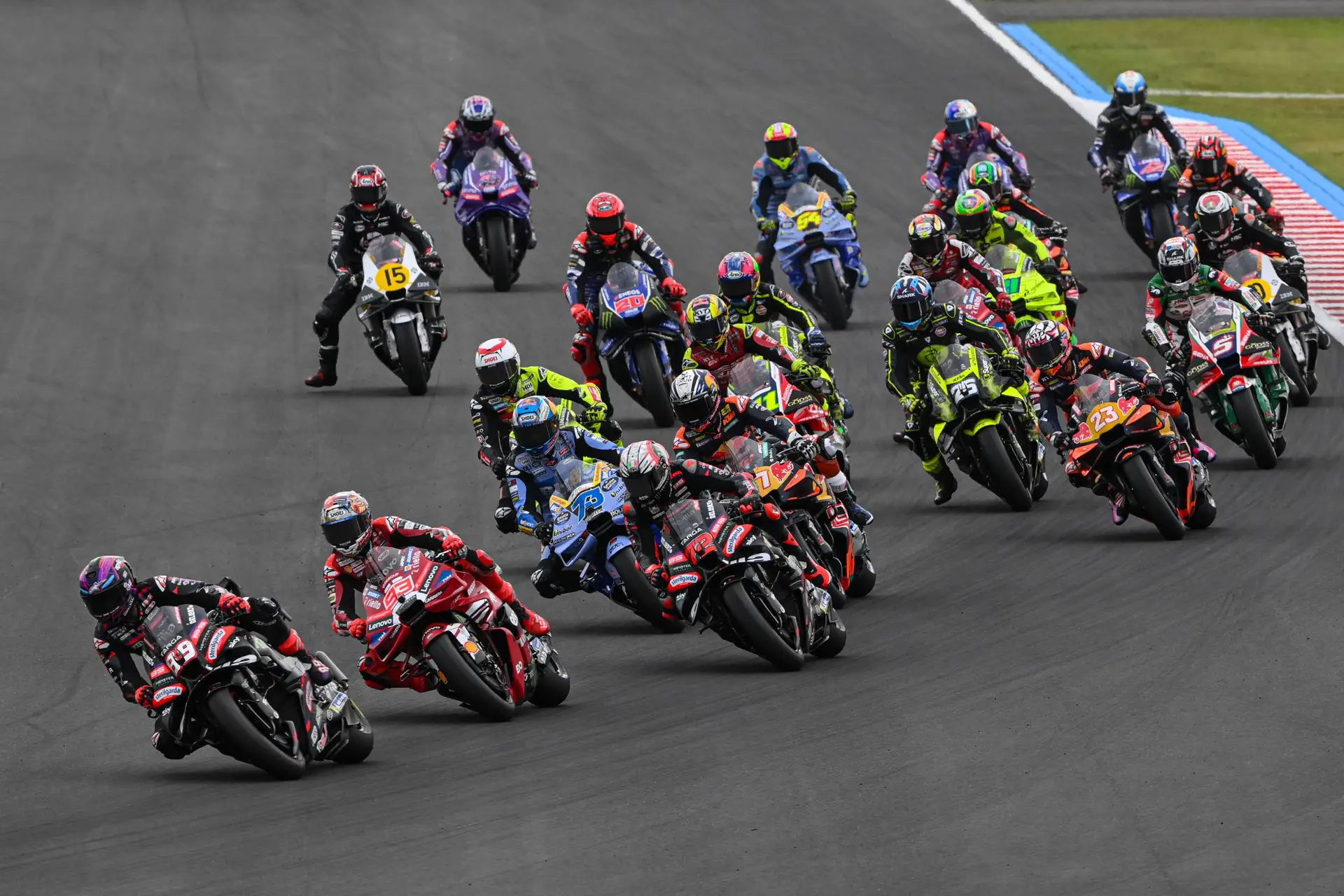
In the MotoGP paddock, the arm wrestling between the teams and Liberty Media over revenue sharing is still in full swing. The new “Concorde Agreement” has yet to be finalized, everything revolves around money, and in the meantime the manufacturers are refraining from announcing new contracts in protest. Ducati, for example, has won the last four world titles, but the coffers in Borgo Panigale aren’t experiencing the same golden age.
MotoGP free-to-air or pay-TV?
There has been much talk about pay-TV and the possibility of broadcasting the World Championship free-to-air on public networks. An idea that doesn’t sit well with the organizers and perhaps not even with the teams, given that a large portion of revenue comes precisely from subscription TV. After all, the media world has changed drastically in recent years; every family springs for at least one subscription to streaming services or pay-TV channels. But a sport like MotoGP risks fading away if shown only behind a paywall, far from public view, not directly serving casual fans who aren’t willing to pay to watch a Grand Prix.
Carmelo Ezpeleta, CEO of MotoGP Sports Entertainment Group, recently weighed in on this point, arguing that the current cost of the World Championship makes it necessary to maintain the pay-TV model. “The idea that television used to be free isn’t true. It wasn’t the state paying for it; it was us, the citizens, paying for it. Now, it’s the fans who pay... What a DAZN subscription costs in Spain is what someone spends on a drink at a bar. If you don’t love motorcycles enough to pay €9.90, then this service isn’t for you.” In any case, the right balance must be found between pay-TV and free-to-air, which is why the most important GPs are often broadcast on public television to draw people closer to MotoGP.
Ducati’s point of view
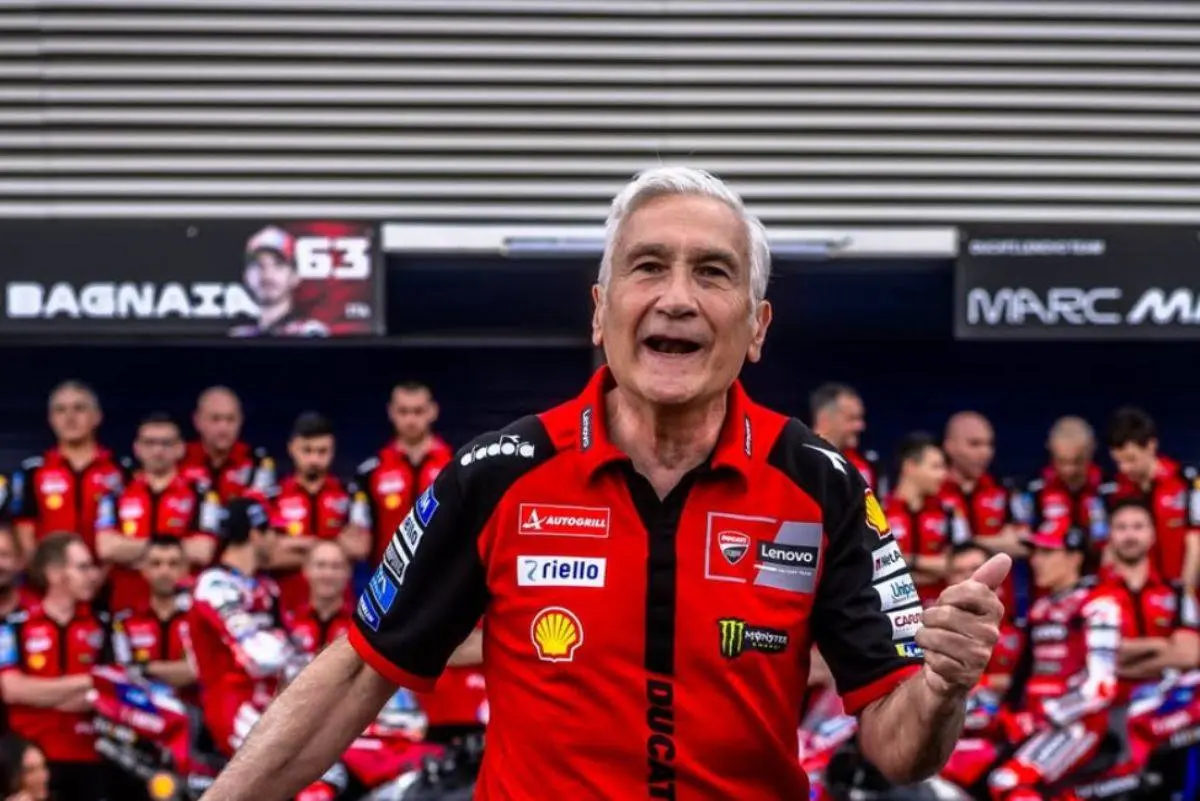
Ducati Corse team manager Davide Tardozzi analyzed this situation with Speedweek. “In recent years we’ve lost market share in Italy,” admitted the Italian manager. “I can’t say anything about other countries. The fact that we no longer have Valentino Rossi is a problem. Valentino Rossi was a star, a hero even for grandmothers. He made sure they watched MotoGP. On the other hand, Pecco Bagnaia has been very well known in Italy for a few years now, and of course so are Ducati and Aprilia.”
Despite everything, we are far from a true boom for this sport in Italy. Is it the pay-TV’s fault? “It certainly doesn’t help,” Tardozzi added. “But this world has to survive, and pay-TV broadcasters pay well, so organizers tend to go in that direction. I don’t know how things will evolve with the new owners, how they want to promote the championship. I believe you can’t go back when it comes to pay-TV.”
Liberty Media has certainly done an excellent job with Formula 1. But it’s a mistake to think the same will automatically happen with MotoGP. They are two shows that are genetically different, with distinct characteristics and needs. “I’m amazed when I look at Formula 1 ticket prices, and the grandstands are all packed from Friday morning,” Davide Tardozzi pointed out. “That makes me think that somewhere we’re making mistakes. But it’s also obvious that MotoGP can’t go to Las Vegas, Dubai, or Monte Carlo. For us, some things are completely different and we have to think much more about safety. That makes a big difference.”
Read also
If you like Corsedimoto’s content, you can select it as a preferred source by clicking here
Continue reading
You might also like
More news
Popular articles
Loading