Anti-theft systems, motors and brakes: EasyBlock and Astemo’s “mini” innovations at EICMA 2026
Dreams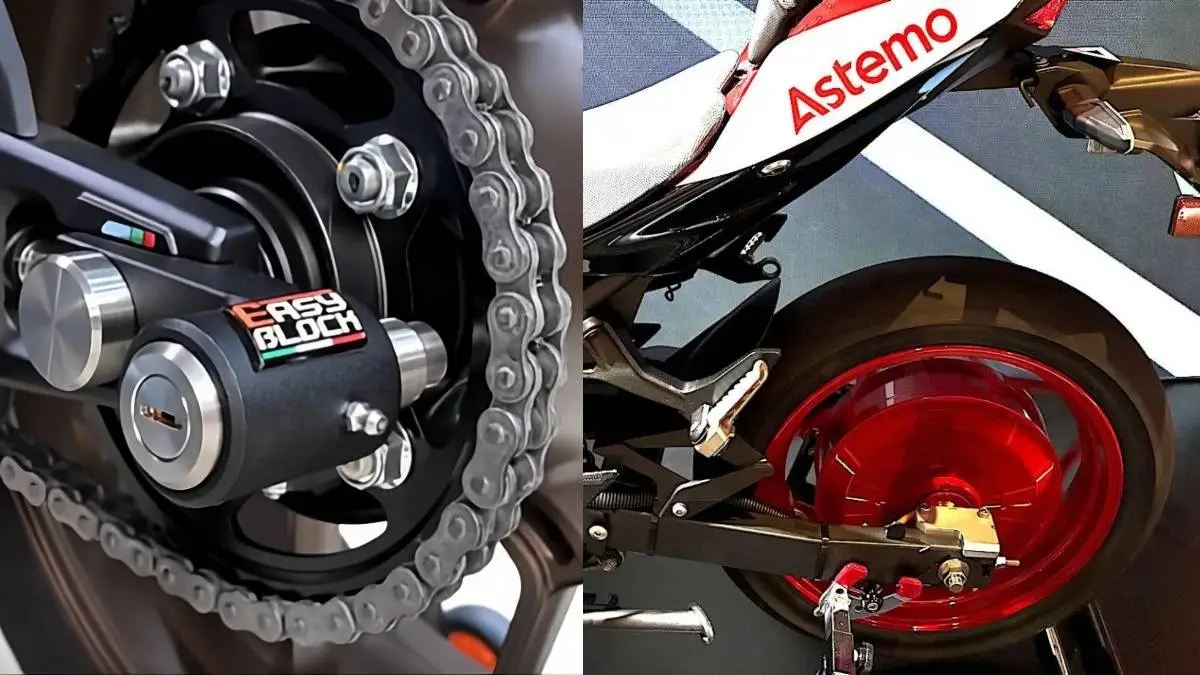
EICMA 2026: less bulk, more innovation. Here’s how EasyBlock and Astemo’s miniaturized solutions are transforming two-wheelers.
At EICMA 2026, “miniaturized mechanics” is undoubtedly taking center stage. Specifically, the ability to integrate complex components into existing spaces, such as fork feet or chain adjuster blocks, thereby eliminating external parts that could get in the way. Here are two notable examples: the Italian EasyBlock system, a particularly interesting anti-theft device, and solutions from Japanese multinational Astemo (formed through the merger of Hitachi Automotive Systems with Showa, Nissin, and Keihin) for powertrains and braking systems. Here’s a brief look at these innovations.
EasyBlock: miniaturization and security
The Italian system is a clear example, and some are already calling it the best anti-theft device. It is a mechanical wheel-locking system designed and manufactured in Italy that remains permanently installed on the motorcycle or scooter. It directly replaces the original chain adjuster block (while retaining the same dimensions) or attaches to the swingarm or kickstand mounting points. Unlike traditional disc locks or chains, it does not need to be carried under the seat or in a backpack, and there is no risk of forgetting it at home.

Here are some technical specifications: it is made of high-strength steel and has an internal stainless-steel piston (weighing between 750 grams and 1.5 kg). Its recessed position protects it against tampering, making it difficult to use an angle grinder or bolt cutters, or to remove the wheel axle nut. It features a lock with 16,000 combinations, comes with two keys, and includes a dedicated nozzle for lubricating the system every 2–3 months. The retail price for motorcycles and scooters is €199.99—€200, in other words.
Astemo: how powertrains and brakes are changing
As mentioned earlier, the Japanese group unveiled two key innovations at EICMA 2026: an “in-wheel” electric motor integrated directly into the wheel hub, and a Showa fork foot that incorporates the Nissin brake caliper into a single unit. The latter innovation has already been tested in the Japanese Superbike Championship. The first is a compact electric motor housed entirely within the rear wheel, producing between 6 and 10 kW. It uses natural air cooling, harnessing the wheel’s motion with special rotating fins. This solution frees up the center of the frame for larger batteries or storage compartments. Photo credit: motor-fan.jp
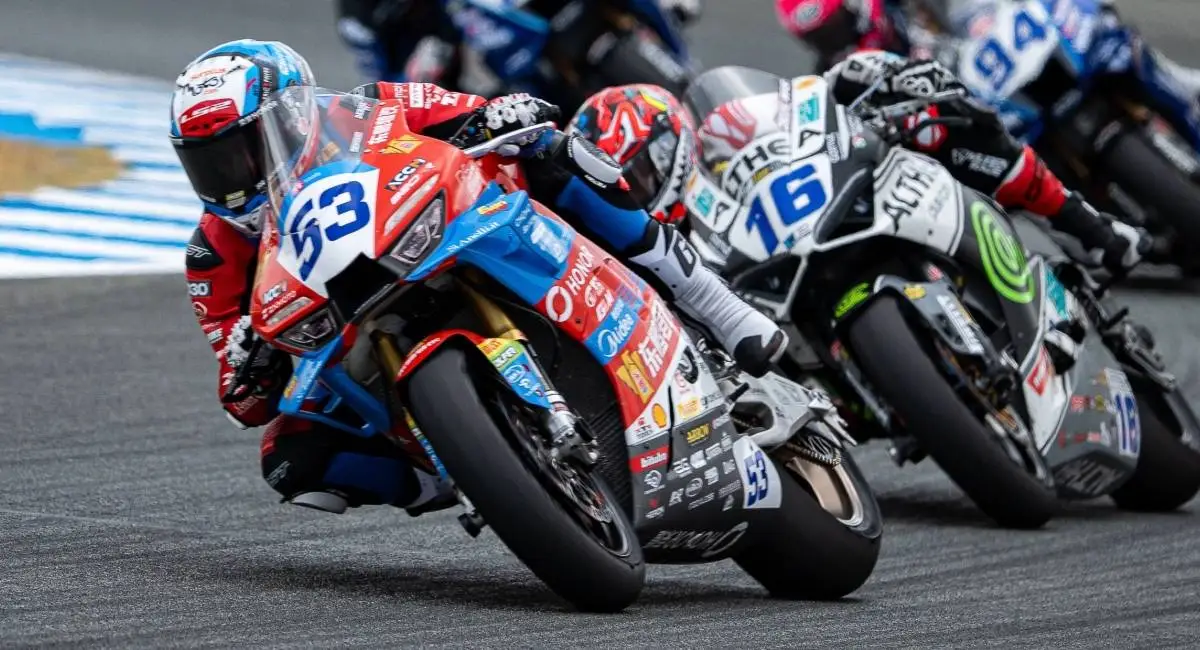
Turning to the braking systems, this is a true fusion of Showa (fork) and Nissin (brake caliper) components, with a single unit that joins the fork foot directly to the brake caliper body. As mentioned, the system has already been track-tested, specifically in the JSB1000 (the Japanese Superbike Championship) on the Honda ridden by Kohta Nozane for the Astemo Pro Honda SI Racing team. It saves around 236 grams compared with a standard system, improves heat dissipation by up to 6%, and has demonstrated greater sensitivity and braking control for the rider, thanks to its carefully engineered flexural stiffness.
-> Seguici anche su Instagram: @Corsedimoto
Continue reading
You might also like
More news
Popular articles