WorldSBK: Gerloff discovers the new Kawasaki—what emerged from the tests at Jerez and Portimão
SuperbikeSunday, 01 February 2026 at 08:00
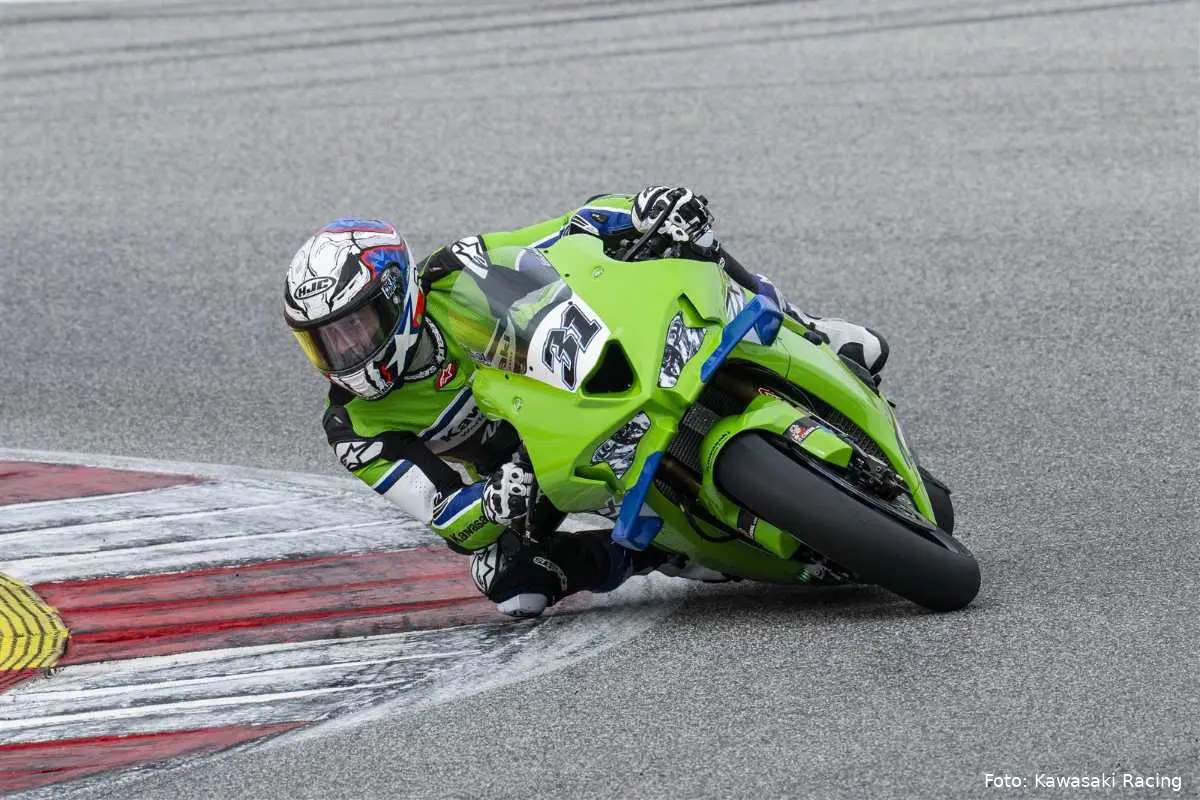
Kawasaki on track with a new bike in 2026: Gerloff has already glimpsed important positives, despite Superbike testing being ruined by bad weather.
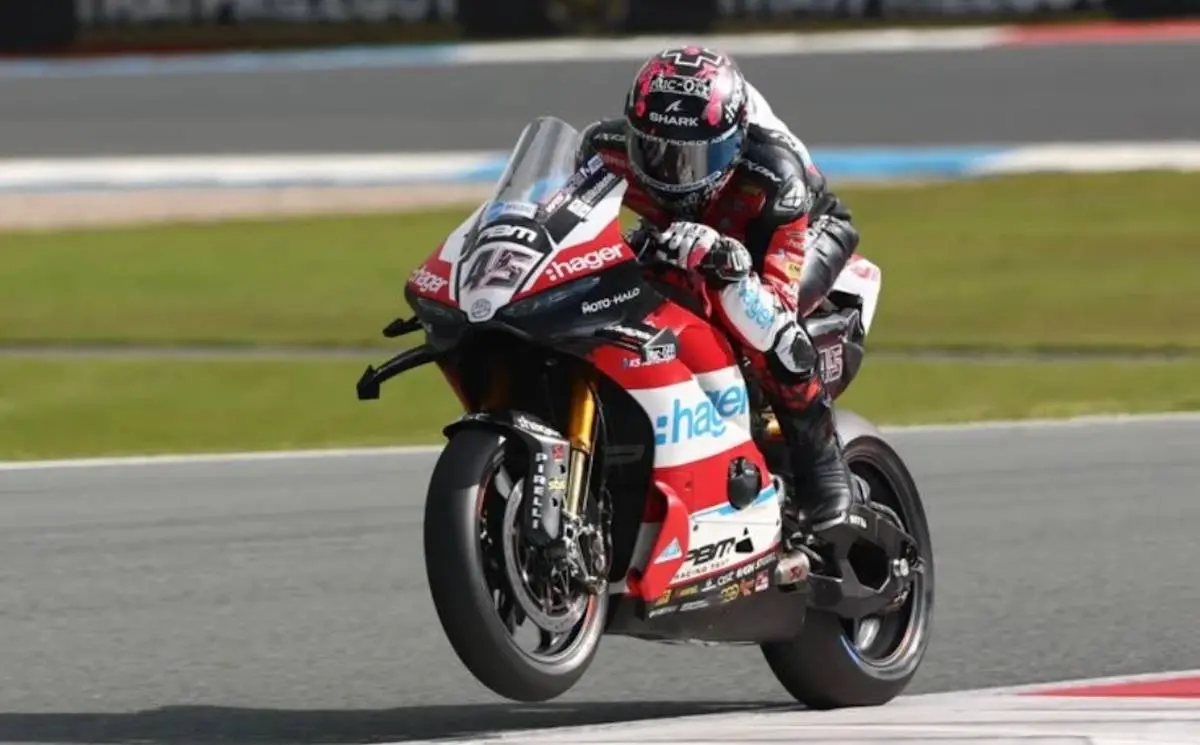
While there’s plenty of disappointment at Ducati for not yet having been able to run on a dry track in the SBK pre-season, Kawasaki’s garage can’t be happy either. Both manufacturers are fielding new bikes this year, so it’s essential to turn as many laps as possible to get to know them better and unlock their potential. The Akashi-based company is coming off a not-so-exciting 2025, with Puccetti Racing becoming the new factory team in the category and Garrett Gerloff riding the only Ninja ZX-10RR on the grid. There’s a strong desire to run the 2026 version, as well as to achieve better results than last season’s World Championship.
Superbike, Kawasaki: how Gerloff’s tests with the new Ninja went
In Jerez the Texan rider completed 26 laps on day 1, which was entirely wet, then on day 2 he logged 23 laps, making the most of roughly two hours of semi-dry asphalt. In Portimao he only rode on the first day (14 laps), finishing at the top of the timesheets, during a window when it seemed the track was starting to dry out. Gerloff was the first to fit slicks and set his best time in 1'46"262, which stood as the benchmark for the entire Superbike test in Portugal, since conditions worsened on the second day and it was not possible to improve.
Despite the less-than-ideal situation, the former GRT Yamaha and Bonovo BMW rider still managed to spot some interesting new aspects of his Ninja ZX-10RR: “The Portimao tests were tough, and we were never able to run on a fully dry track. On the first day I did about twenty laps on a damp surface and even used slick tires, while being very careful not to make mistakes and avoid risking a crash. I still wanted to ride to provide some data to the team, which worked a lot over the winter on the new Ninja ZX-10RR. It was important to test it especially with regard to the new aerodynamics, also because this is the right track to do it, considering the long straight. Even without pushing, I felt significant improvements. We will only be able to start development work in Australia during the two days of testing.”
The aerodynamics of the new green machine differ from the previous model, and Kawasaki is banking on them, hoping to improve the weak points it had before this 2026 season. In Jerez, Gerloff also felt progress in high-speed cornering, and noted that the front end felt more planted on the asphalt compared to the past. Obviously, having done limited running, any verdict can only be superficial at this stage. Many more kilometers are needed, and the hope is to be able to carry out a normal test at Phillip Island, the penultimate stop of the pre-season. The days of February 16–17 will be very important for all WorldSBK teams.
Continue reading
You might also like
More news
Popular articles
Loading