Record attendance at Mugello: how MotoGP survived (and grew) after Valentino Rossi's retirement
Stories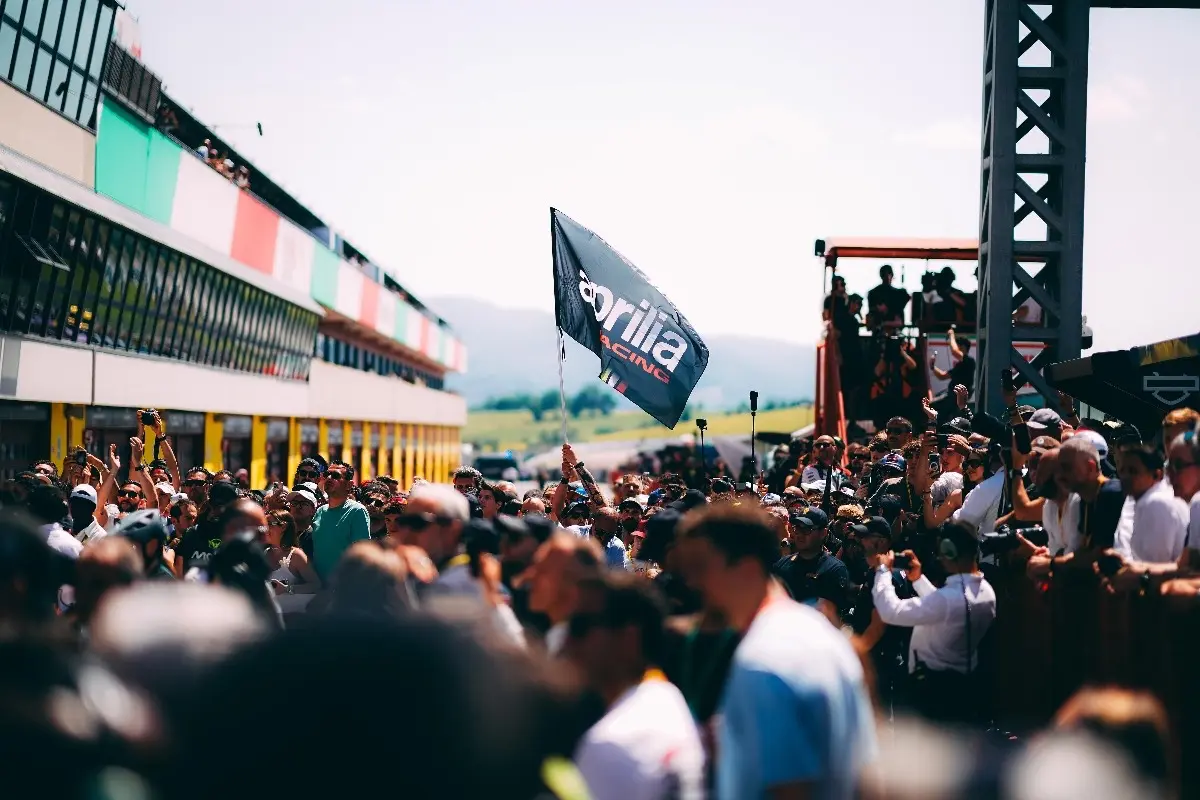
Until five years ago, for two decades, circuits around the world were regularly flooded by a yellow tide. When Valentino Rossi hung up his helmet, many already had the obituary for two-wheeled motorsport ready. It didn’t turn out that way.
It was said that after Rossi MotoGP would never be the same, that it wouldn’t have the same following. The first prediction proved spot on, given the unique show the Doctor guaranteed on and off the track; the second, data in hand, was disproven after just a couple of transitional seasons.
The just-concluded edition of the Italian Grand Prix recorded a record attendance of 178,723 spectators over the three days. A response that not only dispels the shortsighted fears about the disinterest that would have been generated by the farewell of a rider more famous than the sport he practiced, but even surpasses the figures from Rossi’s own golden seasons.
MotoGP’s centrality to emerge from the crisis
The results didn’t come on their own, nor immediately. Between Rossi’s retirement, Lorenzo’s farewell, and Marquez’s long physical ordeals, the world championship took a hit. To get out of the quicksand, planning was needed—indeed, a true strategic revolution. As is well known, Liberty Media adopted a 360-degree entertainment vision, based on the centralization of the show around the premier class. If in the past the audience was evenly spread across the different categories, today MotoGP devours the attention. And this, even at the cost of relegating Moto2, Moto3, and even Superbike to supporting roles.

Mugello for families, without losing its soul
The experience has evolved: you no longer simply “go to watch the race,” you take part in a kind of two-wheeled festival. Having lost, at least in part, the fluorescent yellow faithful (noticeably fewer smoke flares and yellow flags at the latest Italian GP), the target has become a new audience: families. The hills of Scarperia have thus ceased to be a gathering of only bikers with beer and sandwiches in hand. They’ve become home to an event for young and old alike. Of course, despite the tents pitched the night before, you still don’t sleep at Mugello, the air smells of barbecued meat, and the decibels are cranked up by conductors wielding chainsaws instead of batons. But compared to a few years ago, there’s also much more. From the Rider Fan Parade—which lets fans get up close with the riders—to the Walk of Hero all around the track, every moment of the day is designed to entertain. And it’s widely appreciated. The passionate, folkloric soul of the Tuscan circuit has remained intact. It has simply been enriched with many new shades.
The human factor still matters
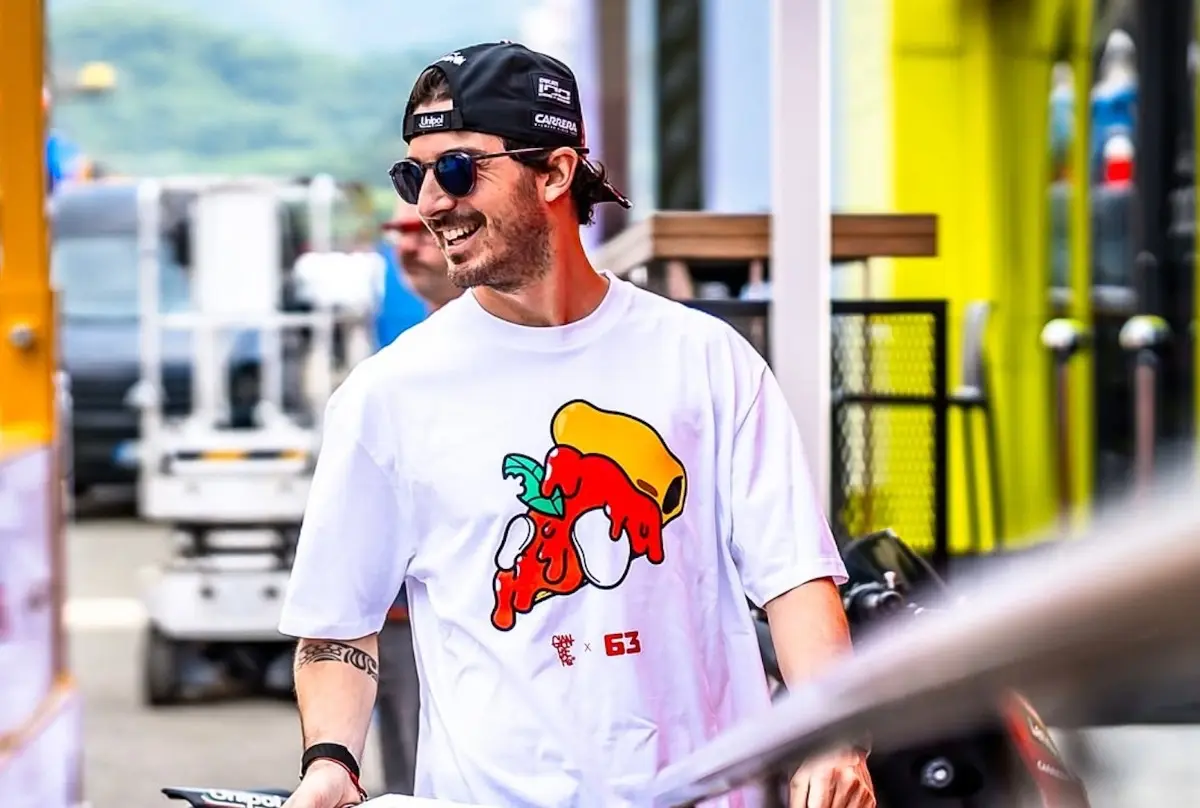
Beyond strategic and marketing plans, however, you need raw material: the riders. And in this MotoGP Renaissance, the Italy factor continues to matter. If Bagnaia had the merit of bringing the world title back to our country thirteen years after Rossi’s last, Bezzecchi has the knack for keeping the media fire alive. No. 72, beyond talent, has a natural flair for being a character. A bridge to that audience still seeking empathy, beyond the stopwatch and the legal headquarters of the motorcycle manufacturers.
Read also
Corsedimoto on Instagram, subscribe here to our news channel
Continue reading
You might also like
More news
Popular articles
Loading