Quest for Redemption: Stefano Nepa’s Moto2 Goals and Ambitions with KLINT Forward
StoriesSaturday, 14 February 2026 at 14:56
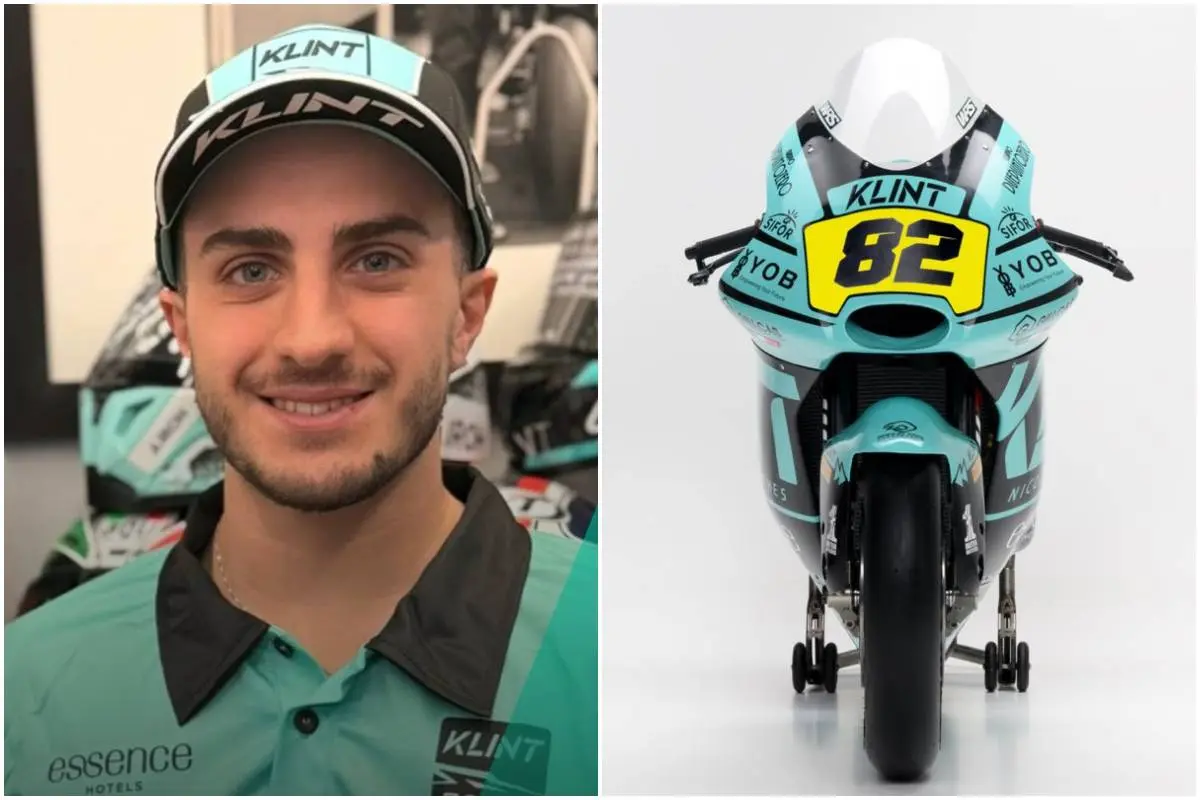
After bidding farewell to the Moto3 World Championship, Stefano Nepa is ready for the MotoJunior Moto2 project with KLINT Racing: our interview.
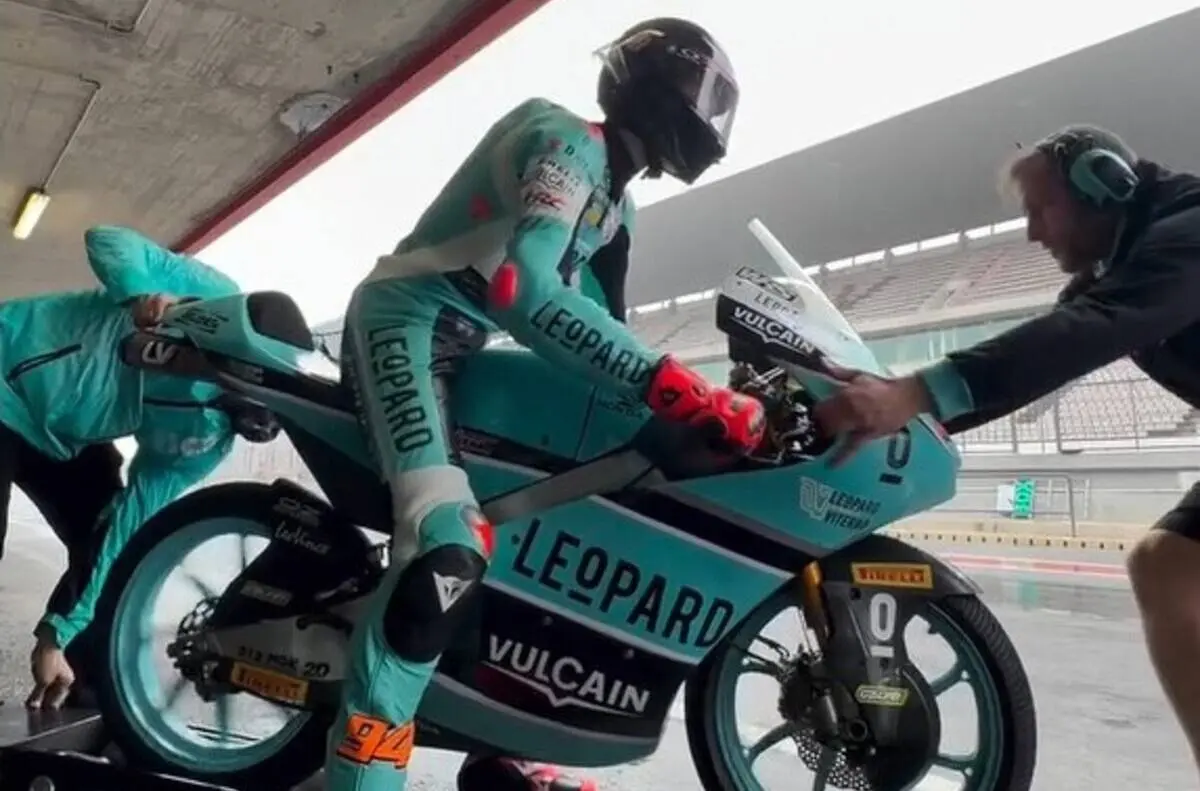
Leaving Moto3 to relaunch on a different path. Stefano Nepa has closed the first chapter after a very difficult year, and now 2026 promises plenty of news: he will be a KLINT Racing rider in MotoJunior’s Moto2 European Championship, with a dual role as a “title-challenging rider” in the series while also contributing to the development of the Forward project, which is only 2-3 years old: Nepa’s work will further help to reduce the gap to other Moto2 manufacturers as soon as possible. We spoke with the 24-year-old from Abruzzo to hear about his plans, goals, and aspirations.
A long period without knowing what your future in motorbikes would be.
My future was a question mark until mid-January, it wasn’t easy… Winter, especially December, was very tough. But now I’m calm and, above all, pumped, with a huge desire to race!
How did you handle this long wait, full of uncertainties?
For me it all felt normal, as if I were supposed to start in March, I kept doing the same things. Now though, knowing I’m going to do Moto2, I’ve started to change a few things, but I had kept training anyway, with the same routine as always. I wasn’t thinking about stopping; I still have a huge desire to race.
But there were offers, right?
Yes, but to tell the truth my goal wasn’t to do Moto3 again, it wasn’t the right move. There weren’t any opportunities for a Moto2 step in the World Championship, and I absolutely didn’t deserve it after last year, so I was also looking at other championships. There was a long period in which we evaluated all the options; my priority was to stay on prototypes, and we managed to make the step into Moto2.
How did the deal with KLINT Forward come about?
It all started with the desire for change. The first contacts with Cuzari had already happened at the last race in Valencia, but everything stopped because he wasn’t sure about doing the CEV, also since the focus was on the World Championship. The holidays passed, with the new year we met and reached an agreement.
The announcement mentioned both competition and “testing” the bike. Can you explain your role better?
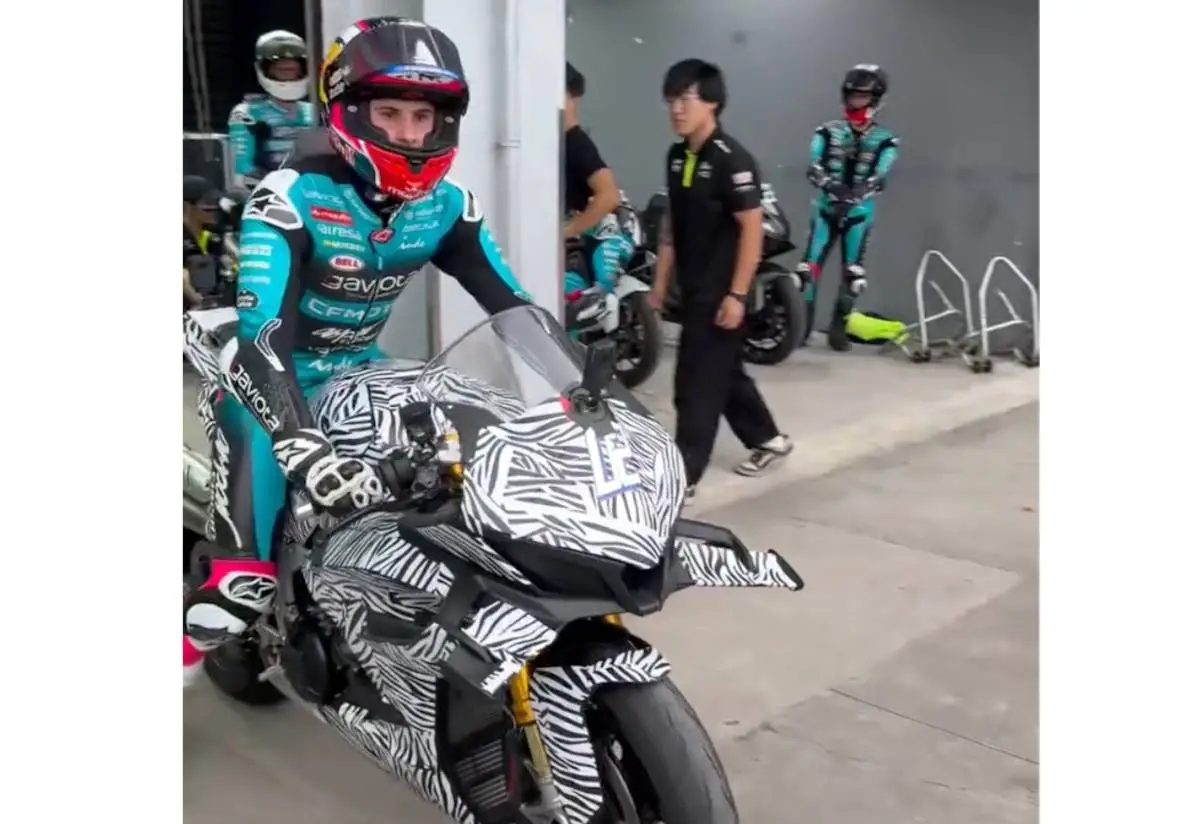
I’ll have the same bike as Escrig and Navarro in the World Championship. I didn’t know until recently, but in 2027 there will be a new engine in Moto2 and it’ll change quite a bit, so all the factories will have to work a lot on the rest of the bike too. I’ll help with development either during the championship or in testing; I’ll be a substitute in case of injury and I’ll also do some wild cards, thanks to the concessions. But only if I deserve them! Giovanni [Cuzari] was clear: “You do the wild cards if you deserve them, otherwise you don’t!” [laughs] It’s a super ambitious project and they’re working incredibly hard on it, they really believe in it. And finishing the post-Valencia tests with the lap record, even if taken with a grain of salt, means something good is coming.
So you’re also a “tester in disguise.” How do you see yourself in that role?
I’m definitely a sensitive rider, someone who can give a lot of feedback once I’m back in the box. Over the years I’ve tried to tweak that, in the sense of being more instinctive and chasing perfection less, but at the core I’m very technical: I like to analyze, to be with the crew chief and data engineer, and to work on improving the bike. The older you get, the more you mature, you’re a bit more attentive, and I hope that helps me with bigger bikes.
So 2026 will also be a year of “redemption,” right? Maybe contributing on the technical side will help too.
It’s part of this fresh start. It’ll be a new year, let’s see if I can get back to where I belong and forget 2025. There’s that extra edge, yes, the desire for redemption is there. I’m very motivated; I really hope to grow together with the bike and reach the top—it would be satisfying for me and for everyone there.
How do you assess your last Moto3 year? With a radical switch from KTM to Honda…
It was my choice; I knew 99% it would be my last season in Moto3, and it was a risk to take an unfamiliar bike to try and make that final step. In the end, from the tests on, I understood it would be very hard—your first impression already tells you a lot… Total reset, zero expectations. But in Thailand I set incredible lap times; I was very stiff on the bike but I could still go fast—really a surprise! Then there was another small injury to my right foot, but luckily I managed to race: Qatar and America were the last decent races; once back in Europe it was total darkness and it stayed that way to the end. I didn’t even want to restart negotiations with SIC58—not because of the team, with whom I got along great, but because of the bike.
Was there a single “main” problem with the Honda, or was it a combination of issues?
A combination of problems that we never managed to solve. It’s paradoxical: at the start of the season I wasn’t riding the Honda at 100% yet, but I was fast. As time went on, I adapted more and more, but the results got a lot worse… I always try to be self-critical and honest with myself and with others, but unfortunately the situation never improved, while we have less and less time and can’t get anything done. It was a constant chase every weekend; sometimes we’d see a glimmer of light and then go backwards again—a bit like a dog chasing its tail.
On a personal level, how do you manage a year like that?
It was very difficult mentally as well, both on race weekends and afterward. In the end it’s our job, we’re still privileged, but when you get beaten on every track… You always have to be honest and ask yourself how much is my fault, what’s going on, what’s the problem. You need to keep a cool head; it happens to everyone.
How do you reset mentally? For you, it was the worst season in Moto3.
Yes, it was absolutely the worst. Every rider’s mind is very, very sensitive: it takes very little to find the feeling and go fast, and everything resets. In this case you have to do a reset within yourself: the season is over, you can’t go back—on track or in life—so you try to learn. I’m fine, I’m at peace; it’s a season I’ve filed away. Just like on race weekends, Monday is a reset, whether you did well or badly. In this case everything is new for me: bike, team, category, preparation… Now the focus is on that.
How do you prepare for this new challenge?
I’ll test the bike in March, not before, both because of the World Championship commitments and because the season starts at the end of May. As for preparation, I already had the R1, which I’ve been training on for a year and a half; it’s perfect for moving up a class, and I’ll ride it a bit more. Then there are bicycles, motocross bikes, running… That doesn’t change much. In the gym, though, things change a bit; you need more specific work to build strength, and so on. During the winter you manage yourself a bit, then when the team has finished the first World Championship commitments we’ll think about testing.
What are the first objectives?
I’m aware that to get back to the World Championship you need to win, or be in the top three. I won’t hide that it’s my goal. But I’m approaching it calmly; you shouldn’t have too many expectations, nor put too much pressure on yourself. Especially at the beginning you need to approach it the right way, without too much haste. To return to the World Championship, maybe in 2027, you have to win, or at worst finish 2nd or 3rd. The CEV has always been the proving ground, and there will also be riders who have raced in the World Championship, so it shouldn’t be underestimated.
Continue reading
You might also like
More news
Popular articles
Loading