Yamaha working on multiple fronts, with the brand-new Moto3 challenge also starting in 2028. Paolo Pavesio talks about it.
Even if the news had been known for some time, the official announcement of Yamaha’s commitment to the Moto3 2028 revolution clearly caught everyone’s attention. KTM and Honda, which have long monopolized the smallest class of the World Championship, will be forced to bow out, focusing their efforts solely on the premier class. A single-make series that leaves many enthusiasts puzzled, while others believe it will allow riders to showcase themselves on equal machinery.
Whether for or against, the fact is the new category will soon become a reality, with a prototype that has essentially been built from scratch, particularly aiming to reduce the long-skyrocketing costs in Moto3. The bike will be produced at a facility north of Paris, while an engine factory is being set up in Italy, in Gerno di Lesmo, where the MotoGP and WSBK activities are already based. First rollout in September, so in a couple of months, and we can bet there will be huge curiosity.
Yamaha Moto3, a prototype designed from scratch
“Forget the R7.” Paolo Pavesio, CEO of Yamaha Motor Racing, in an interview with Motosan doesn’t mince words in defining the novelty. He even emphasizes that “The new bike is 100% a prototype that only has the engine derived from what we use on the R7, the MT-03, and the Ténéré.” The similarities end there: the new and innovative model will answer Dorna Sports’ request (a year and a half ago) to create an affordable new Moto3, built around a production twin-cylinder engine between 500 and 700 cc, with set weight and set power. “We sat down, we analyzed the situation,” Pavesio continued. “We already had the engine and, thanks to our experience in building sport bikes, we already had a good level of setup. Before deciding how to respond, we tried to understand whether we were actually able to build it exactly as requested.” We now know the answer, since everything was made official at the last GP in Assen.
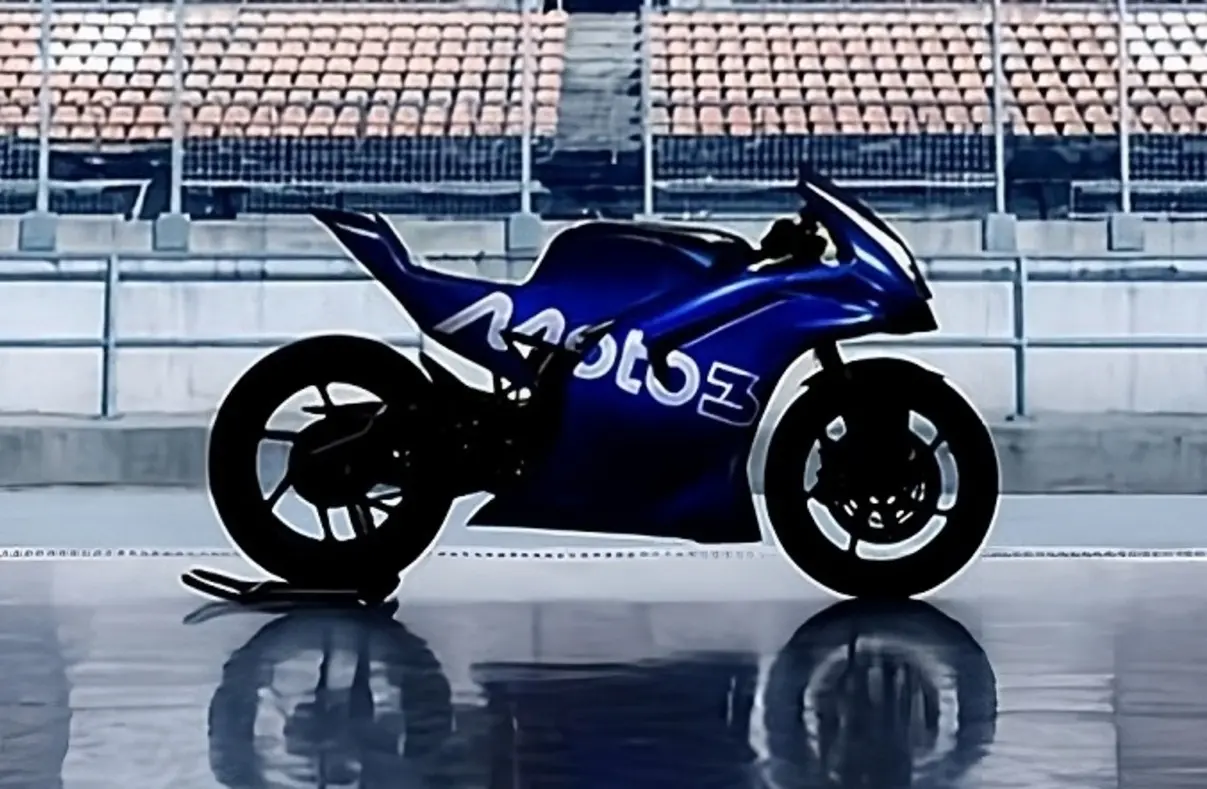
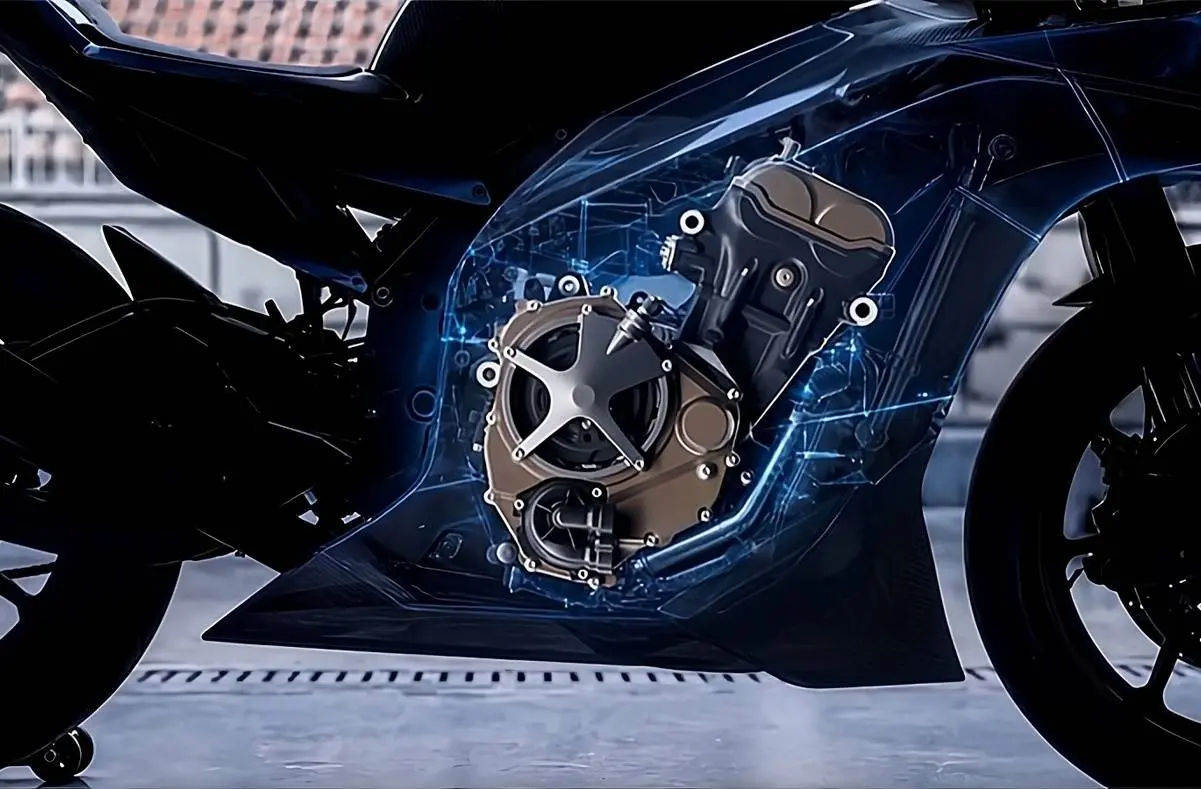
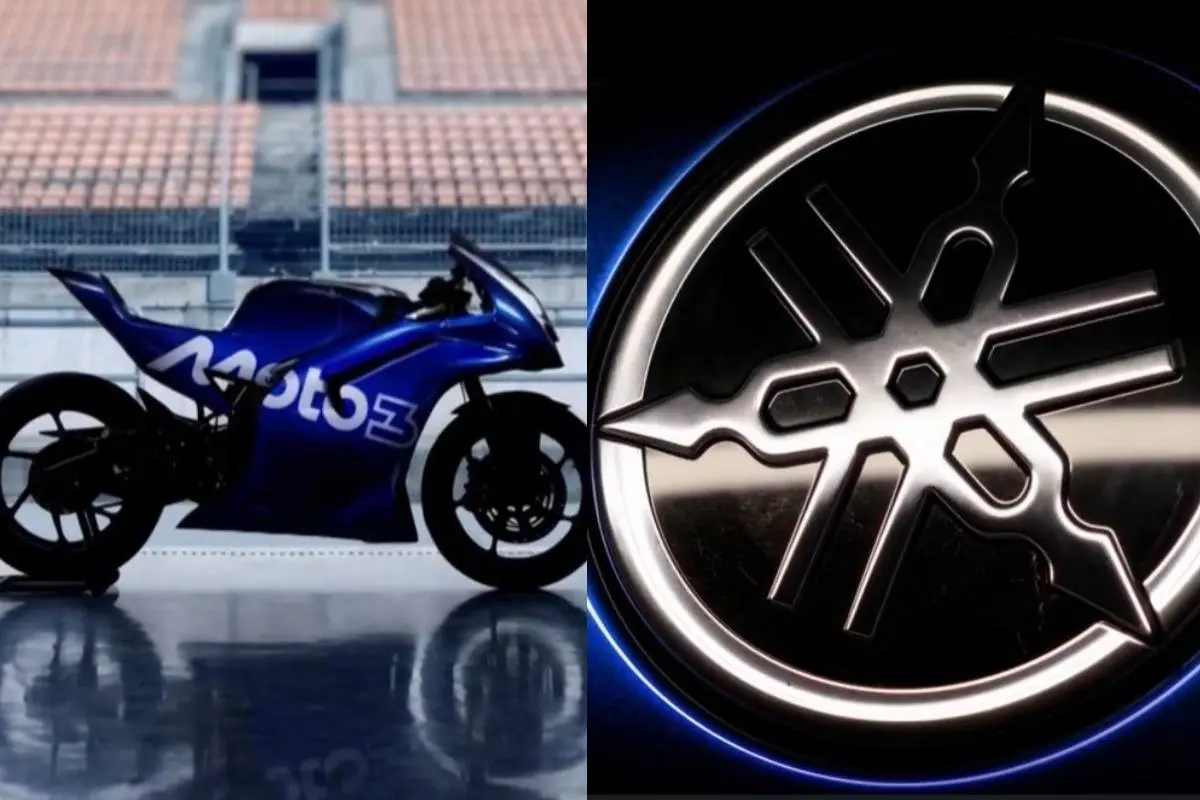
How did they proceed? “We took the CP2 engine, significantly reduced its weight, gave it a bit more power, and equipped it with a racing gearbox and a dry clutch. It’s been heavily modified,” Pavesio said. “As for the rest, the bike is a prototype designed from scratch, entirely by Yamaha. Everything: the frame, the swingarm, the aerodynamics… the entire bike.” The cover image, taken from the presentation video, is the exact silhouette of the new Yamaha Moto3. “On paper, since we’ll be on track for the first time at the end of September, we already know we’ll have a prototype with a production-derived engine, with a better power-to-weight ratio than the current Moto3 and costing about half.” And it will have around 94 horsepower, a sort of starting point for this new venture.
A “frozen” bike and an eye on new nations
“It was anything but trivial, a very interesting engineering exercise.” That’s how Paolo Pavesio described the work Yamaha has done behind the scenes so far. He then explains the engine approach: “Right now we’re seeking the maximum possible power with good reliability: we’re not chasing it by increasing revs but by working on other aspects. Because one way to keep costs down is to ensure good engine longevity.” As for the work to be done on the bike over time, “I hope we won’t have to do anything to the bike for three years, to ensure stability, and then we’ll do an update. In the contract with MotoGP Group, between the third and fourth of the six years there will be an improvement to the bike.”
The focus is clearly on the next generation, those to be developed and then brought into the World Championship: Yamaha’s commitment will in fact extend to MotoJunior as well. There’s also a note on nationality. “Nowadays there’s a lot of talk about the issue of Italian and Spanish riders, but it’s not the riders’ fault,” Pavesio emphasized. “In my opinion, we need to be very careful. Riders who arrive in MotoGP must be fast. To have riders from different nationalities, we must start in countries where kids dream of riding motorcycles.” Where, then? “I would like, and Yamaha will try to do its part, to organize championships in North America, South America, and Asia-Pacific based on the Junior category concept.”
Continue reading
You might also like
More news
Popular articles
Loading