From 2027, the MotoGP regulations will undergo a radical change. Not only will 850cc engines debut instead of the current 1000cc, but we will no longer see holeshot devices to lower the bikes’ ride height, and aerodynamics will be kept to a minimum. There’s also a change of tire supplier, with Pirelli coming in to replace Michelin. But Gigi Dall’Igna had put forward an even bolder proposal...
A hybrid MotoGP
It took years of meetings to reach an agreement between the MotoGP top brass, FIM, MSMA (Manufacturers’ Association) and IRTA (Teams’ Association). Years of discussions to opt for less powerful bikes, for safety, and to try to keep costs under control. The new MotoGP prototypes are already on track for a series of tests ahead of their big debut next season. Among the various innovations is also the use of non-fossil fuels.
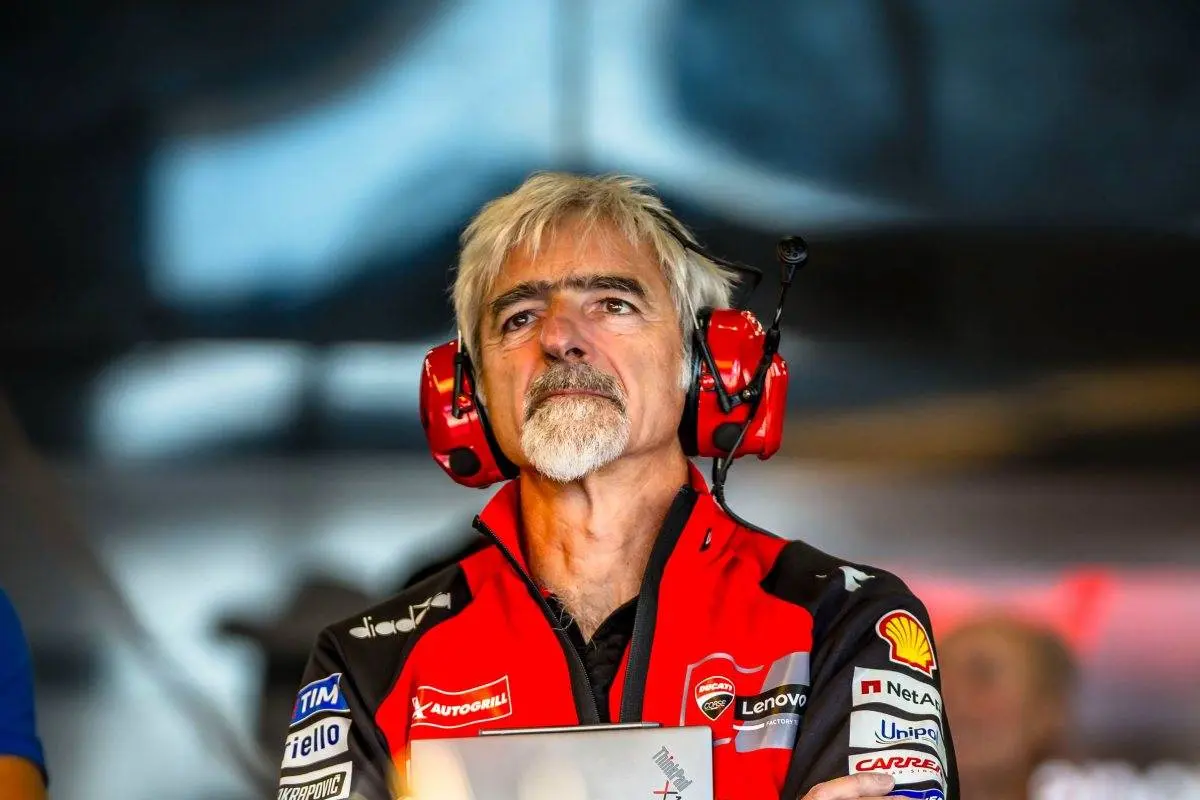
But the ingenuity of Gigi Dall’Igna, general manager of Ducati Corse, went much further. Among the different options on the table was a hybrid bike. As confirmed by the CEO from Borgo Panigale himself. "Honestly, I would have liked the 2027 bikes to have a small electric motor. At first I pushed for this type of hybrid bike, but I understand that from a cost standpoint it’s quite difficult," he told MC News.

Ducati’s advantage
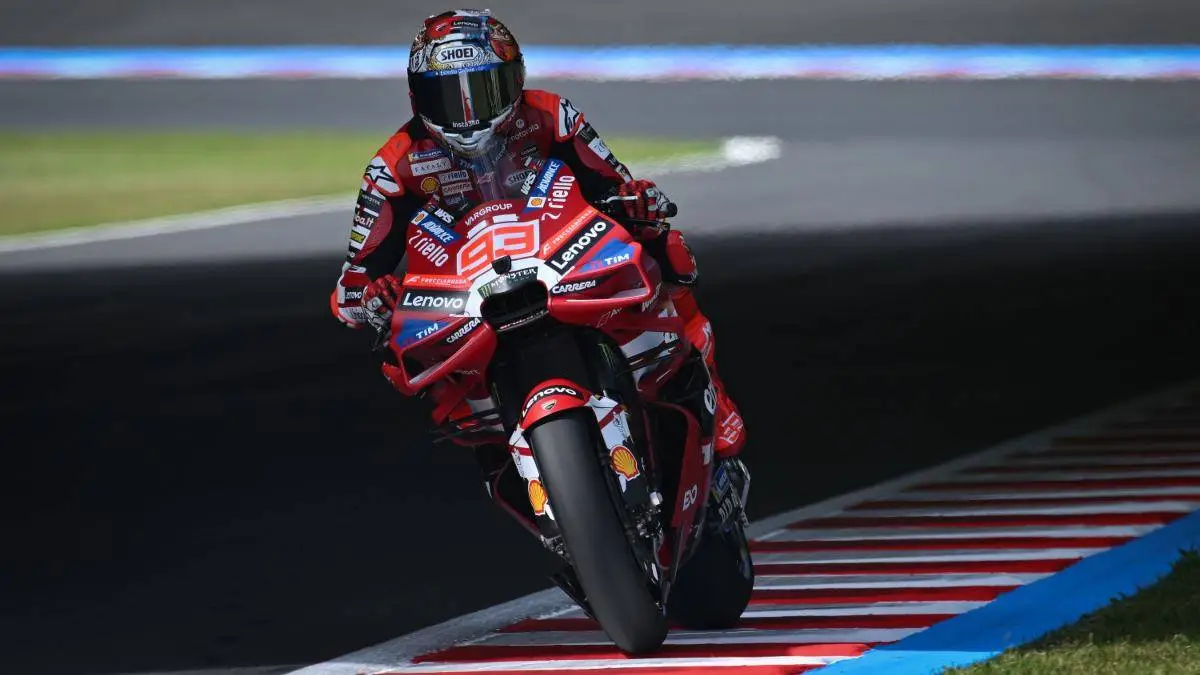
Ducati would have started with an advantage, already being the sole manufacturer in the MotoE World Championship, the electric bike series, which is on hold from 2025. In any case, the Emilia-based manufacturer has developed hybrid technology more than anyone else and it would have given them a significant edge. "We worked to build a suitable vehicle. If we ever have to produce an electric motorcycle or electric components, we’ll know what to do," admitted Gigi Dall’Igna. "To be clear, the technology is not yet advanced enough to produce an electric motorcycle, so we don’t intend to work on it in the near future. But you never know what can happen, so it’s better to be prepared."
Cost containment
The intention wasn’t to turn MotoGP into an electric championship. The idea was to keep the combustion engine as the main component and add a small electric unit working in parallel. This way, manufacturers could delve deeper into a technology that is increasingly widespread in both the automotive and motorcycle sectors.
In the end, the economic aspect prevailed over the technical possibilities. And this aligns with the path MotoGP is taking for 2027. The goal was to reduce certain development areas and make the new regulations manageable for all manufacturers.
-> Follow us on Instagram: @Corsedimoto
Continue reading
You might also like
More news
Popular articles
Loading