MotoGP moving toward a two-per-row grid? The "F1-style" approach between safety and contradictions
MotoGP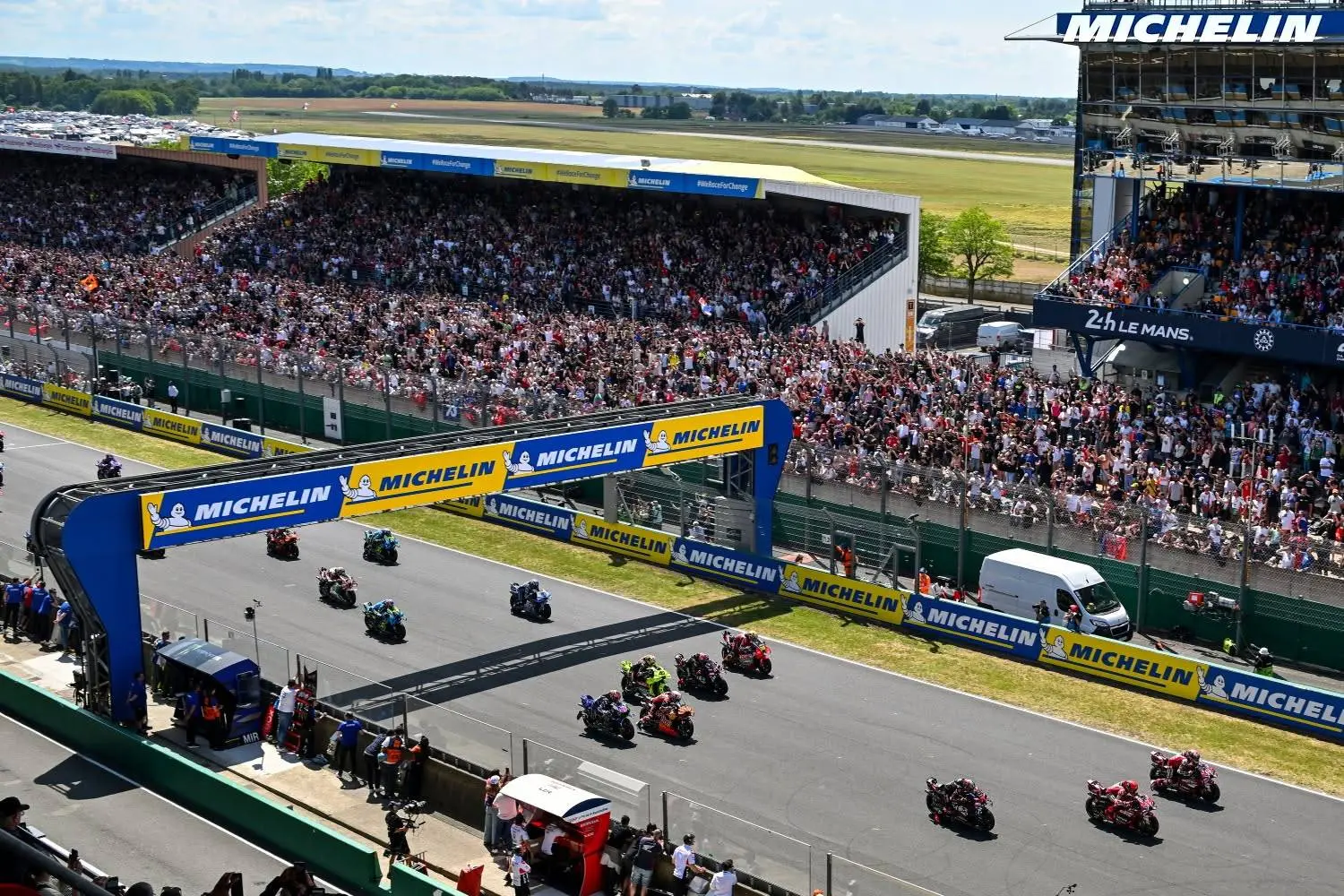
Hypothesis of a two-per-row grid for MotoGP, as currently used in F1, with rider safety in mind. But there are a few contradictions with this topic...
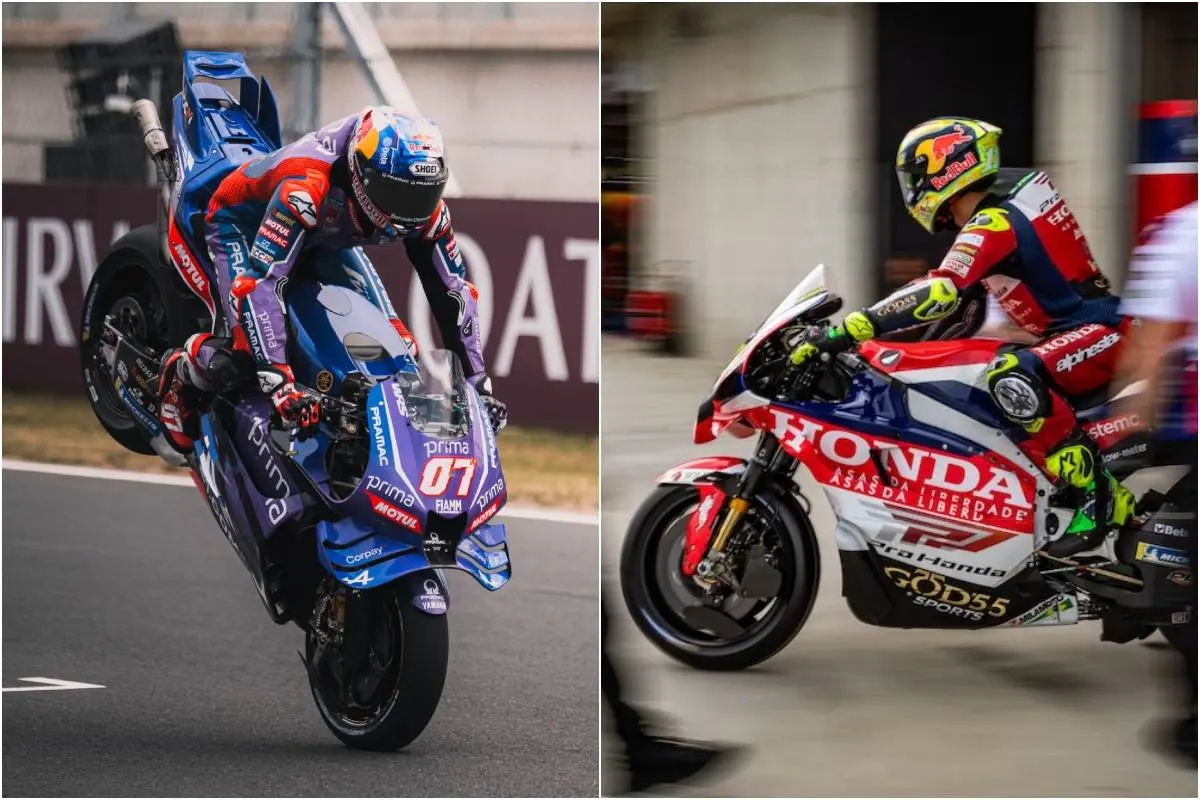
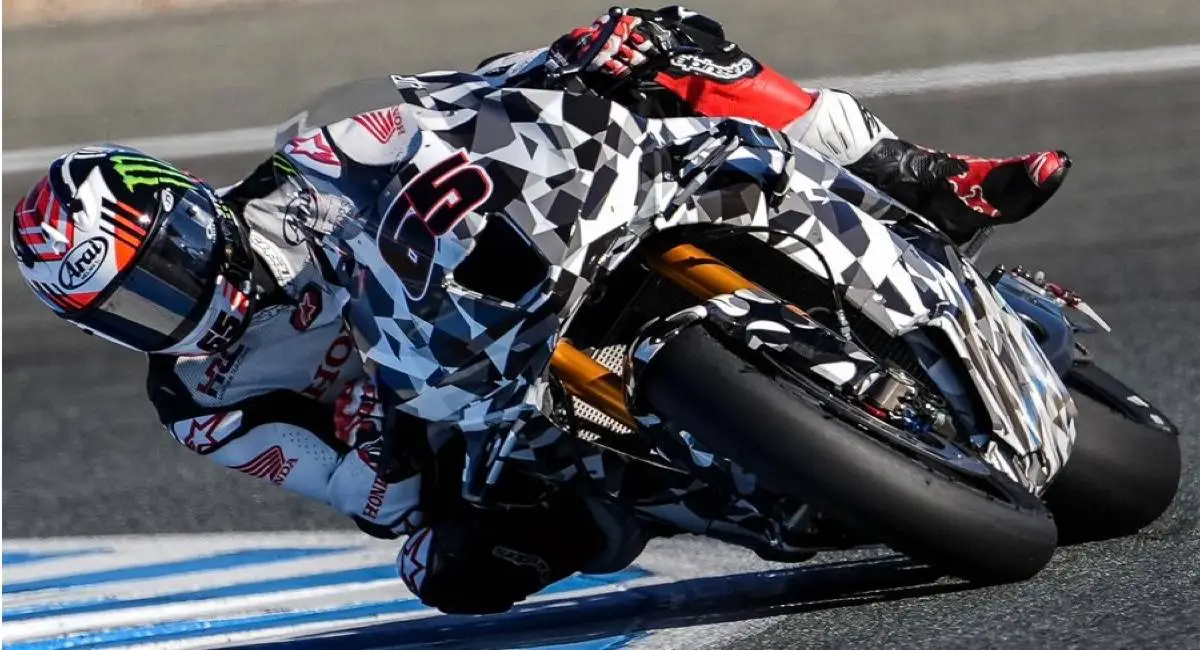
An F1-style starting grid, with rows of two riders instead of the current three, to improve safety—but will it be the solution? Last night at Balaton Park, MotoGP had scheduled a test for this new hypothetical configuration, which would represent a revolution. The Catalan GP, with the crash in which Johann Zarco came off worst with the injury we know about, left its mark, and efforts are being made to reduce starting risks with these MotoGP bikes, which have never been so fast and complex between aerodynamics and all the devices introduced over the years.
The idea was confirmed at Mugello by Carlos Ezpeleta, MotoGP SEG (formerly Dorna) Sporting Director; now we await the riders’ feedback, but in the meantime let’s take stock. Contradictions are not lacking, such as talking about greater safety and then aiming for a street circuit like Adelaide, despite assurances of meeting all modern standards... It appears to be “everything and its opposite” in terms of safety.
Changes coming to MotoGP
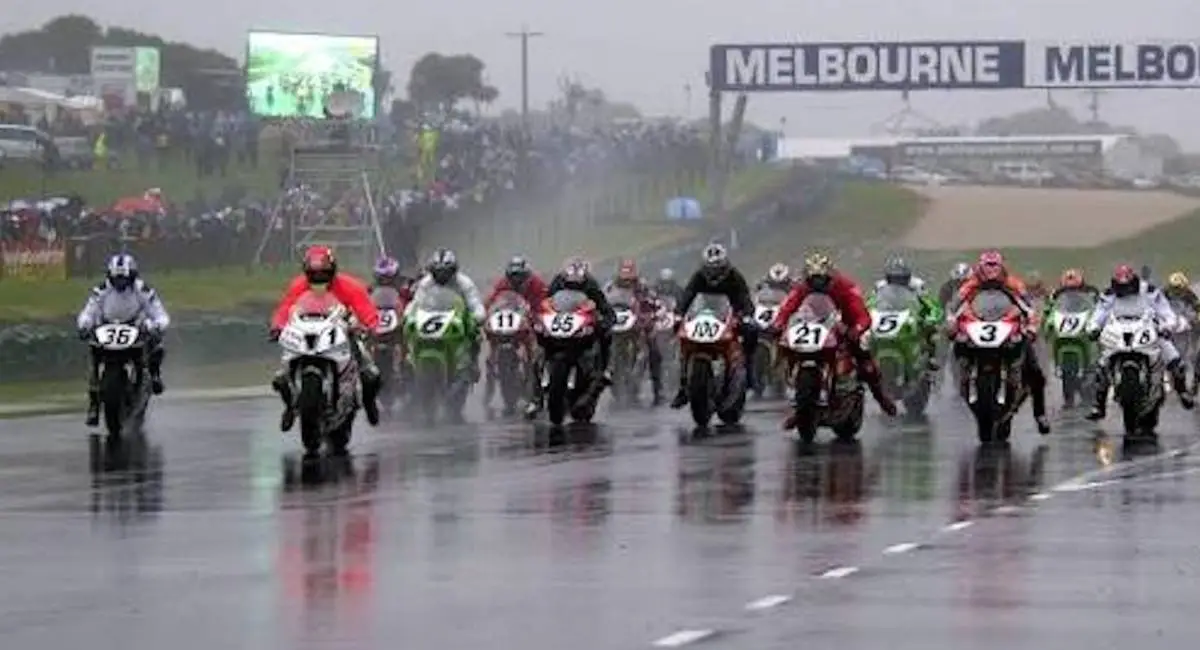
As our colleagues at Paddock-GP recall, this is not the first reduction we’ve seen in the World Championship. Until 2003, starts were made with four riders per row, until the increase in bike performance inevitably forced plans to be revised. Thus, from 2004 the premier class switched to a grid of three riders per row, a solution adopted by the smaller categories only in 2011. A lot of time has passed since then, and there’s much discussion about this new and revolutionary change, with all its consequences. For example, lengthening the grid, making starting position even more valuable, with Saturday qualifying crucial to running a good race, whether it’s the Sprint or Sunday’s GP.
Many ideas are currently being discussed to increase safety. There has even been talk of phasing out launch control and ride-height devices early, officially banned only from 2027. Work is also underway on additional protections around the rear wheel and swingarm to reduce the risk of injury in the event of collisions. Let’s add that a large-scale introduction of the crash warning system has been under discussion for several months.
The contradictions of the modern World Championship
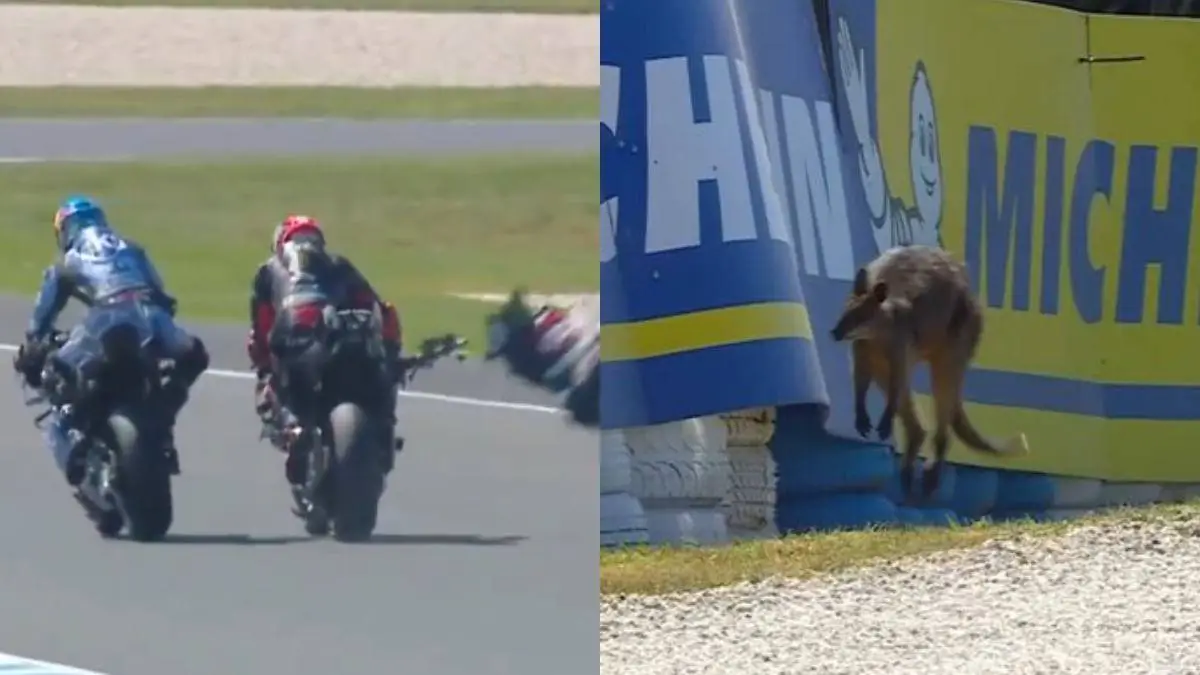
The official announcement came some time ago, but the echo of misgivings still lingers since it was confirmed that Adelaide would replace Phillip Island, which is much loved by all riders. Casey Stoner, the Australian ace of the modern era, did not hold back in criticizing this change, but he was not the only one to have serious doubts about what will be the first street circuit to host MotoGP. Street, indeed, with missiles comfortably exceeding 300 km/h blasting along the 4,195 meters of the course.
From the moment of the announcement, despite assurances of “modern safety standards,” safety concerns for World Championship riders have been front and center. Over the years, precisely for this reason and due to the many deaths recorded, events on public roads were removed, such as the Isle of Man TT, Montjuïc, or Imatra, although in the “ancient” World Championship this was almost the norm. Now Liberty Media is pushing for something of a return to the past, Formula 1-style. Just as the possible new starting grid is Formula 1-style...
Read also
If you like the content from our news outlet, you can select it as a preferred source by clicking HERE
Continue reading
You might also like
More news
Popular articles


Loading