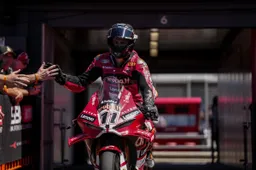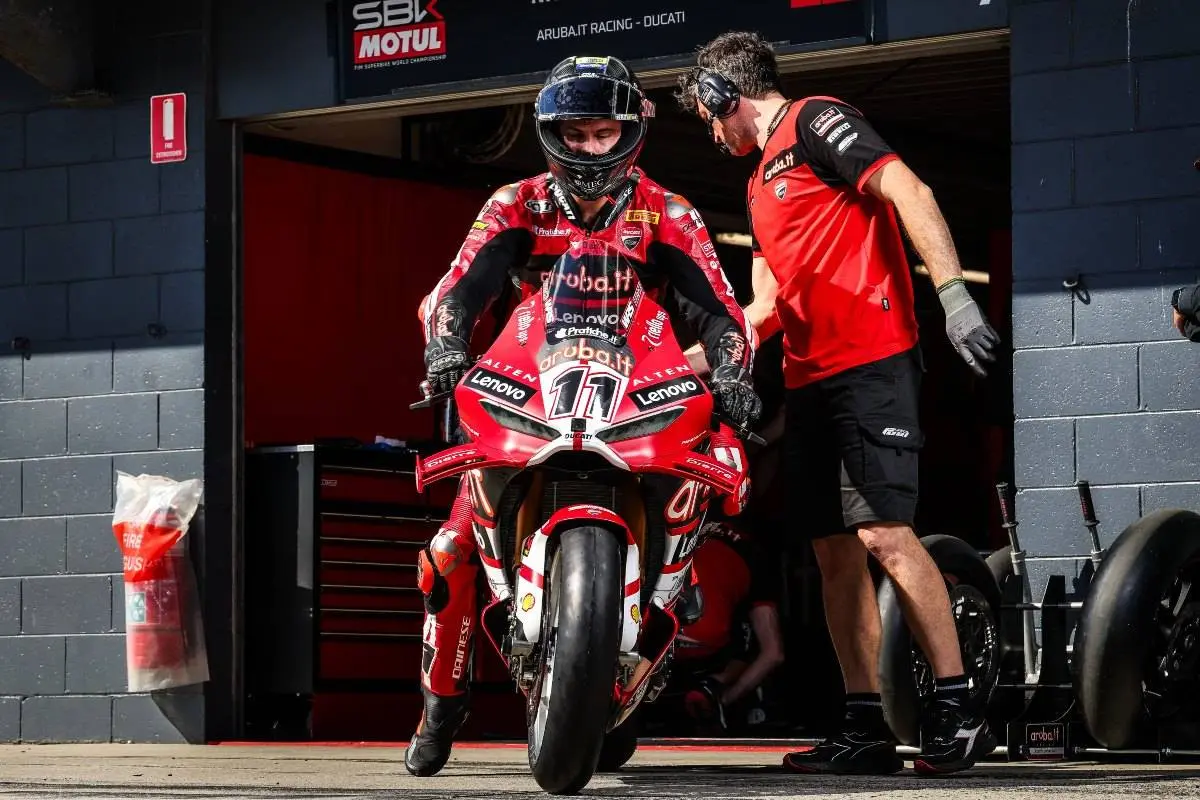
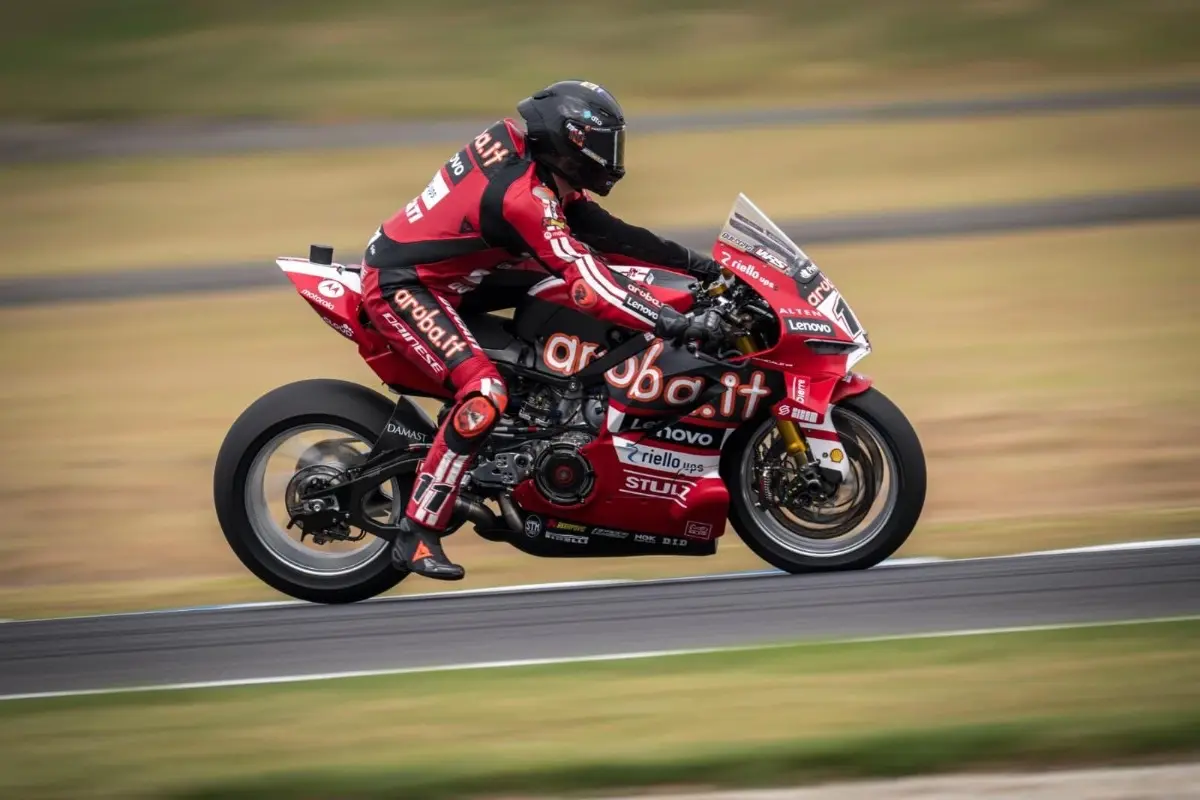
Phillip Island, as we know, always has a bit of a life of its own in the Superbike World Championship. Due to its characteristics and layout, it’s a track particularly well-suited to Ducati (but also Bimota/Kawasaki), while being tricky for BMW. The pecking order that emerged right from the two-day pre-event Test was amplified with the start of the race weekend, bringing back a repeatedly debated topic: the flowmeter, introduced in 2025 to balance performance among the various bikes on the grid—does it work or not?
THE FLOWMETER VALUES
This system still shows anomalies. Taking the baseline values (which vary over the course of a weekend, session by session, based on ambient temperature and humidity), they started from those at the end of 2025, with the same reduction in fuel flow for Ducati and BMW. All this despite many things changing over the winter: for Ducati, the bike itself; for BMW, both riders. Starting the 2026 season from last year’s verdicts feels a bit off.
THE FLOWMETER DOESN’T WORK
The original idea behind the flowmeter isn’t to upend the competitive balance on track, but rather to (where possible) level out performance among the different bikes on the grid. Based on what we saw throughout 2025 and at the start of 2026, the system hasn’t worked. Nevertheless, it has already been confirmed for 2027 (with a further 1 kg/h reduction for everyone), and its creator (Ludovic Reignier) within the international federation has been promoted, taking on the role of Technical Director of the entire CTI (International Technical Commission).
SOMETHING TO REVIEW
The flowmeter could have—and still could—represent a valid solution to equalize performance, provided it’s paired with other corrective measures and a calculation system (without yearning for the algorithm that once was) that’s more democratic. Since 2025, manufacturer by manufacturer, only the results of the best rider for each constructor are considered, yet the fuel flow limitations rain down on everyone. Moreover, the engine rpm reduction no longer applies, having been scrapped at the end of 2024, which inevitably benefits those who (see Ducati) have an engine that revs very high.
Continue reading
You might also like
More news
Popular articles

Loading