Superbike: Italy Triumphs on Track, but the Stands Are Overrun by Chinese Brands
StoriesMonday, 28 September 2026 at 08:00
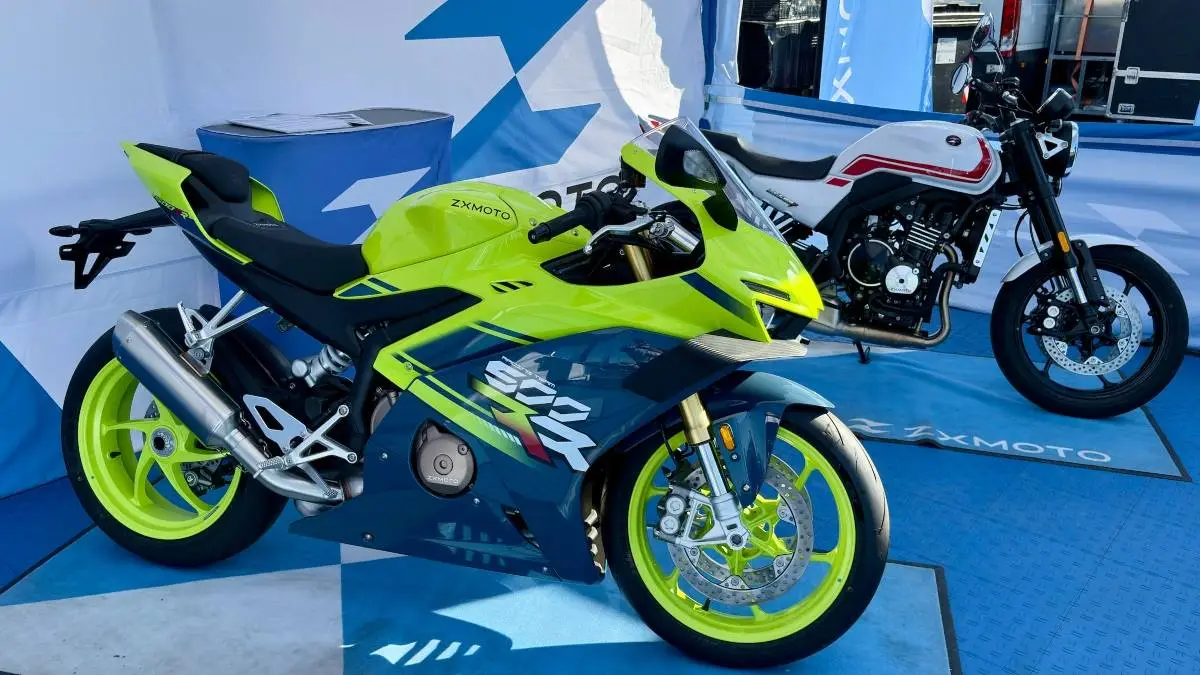
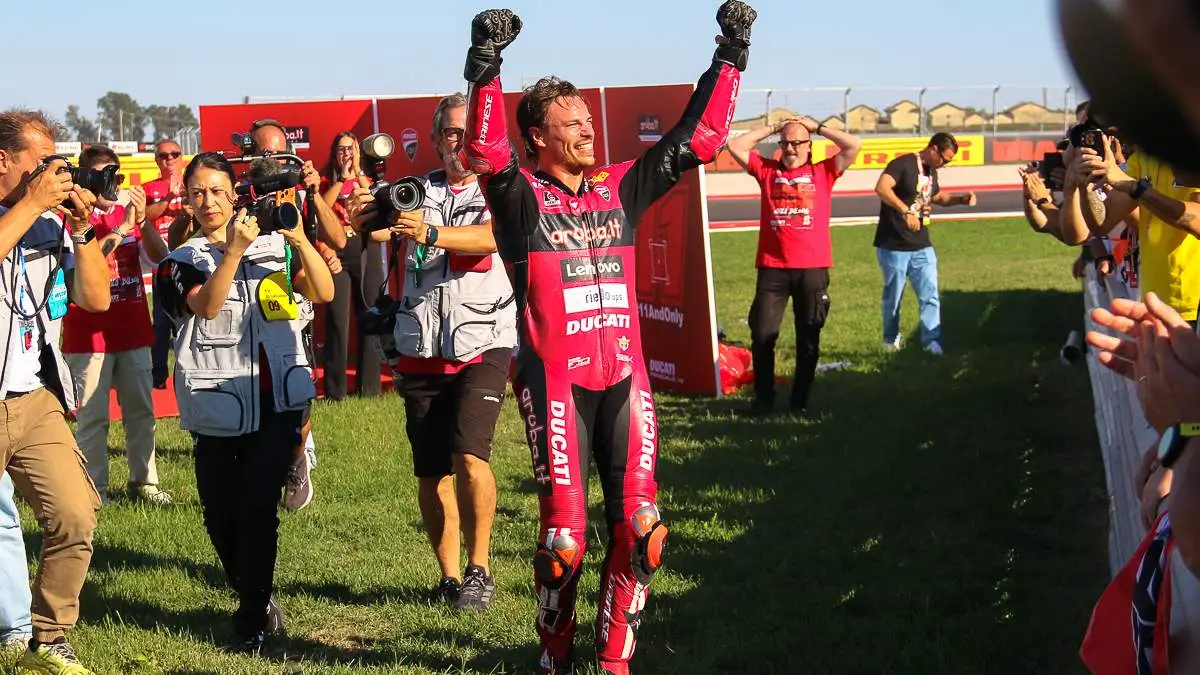
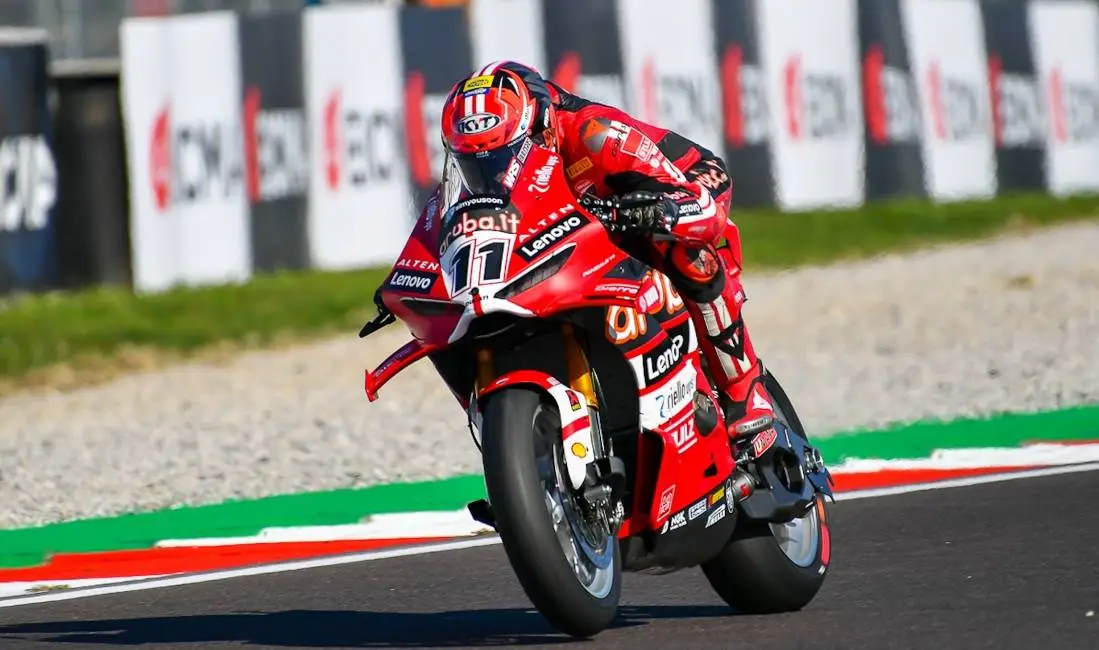
Nine booths, a third of which are Chinese bikes: ZXMoto, Kove, QJMotor. The rest? The historic Japanese brands – Honda, Yamaha, Suzuki, Kawasaki – and only Aprilia and BMW barely keeping the European flag flying. Are we at the Suzuka 8 Hours? No. At a motorcycle show on the other side of the world? Not that either. We’re at the Cremona Circuit, with Superbike on track. The one where Nicolò Bulega, Italian, on a Ducati, Italian bike, is crowned world champion.
The beauty of the production-derived championship is its closeness to the public. Unlike the prim-and-proper MotoGP, enthusiasts can dive into a microworld that oozes octane and engine oil. If you want to—and your wallet allows—you can show up at the circuit with any means of transport and go home with a signed sales contract for a motorcycle. As long as you’re not fixated on Made in Italy.
Winning strategy on a budget
Fresh news: ZXMoto will enter SBK in 2028, fielding an unprecedented five-cylinder, technical regulations permitting. The bikes designed by engineer Zhang Xue, moreover, are expected in Italy between late 2026 and 2027, distributed by Padana Sviluppo. For them, therefore, the brand’s presence at the circuit can be read in various ways. It makes sense to see them approaching a new audience right at the Lombardy round.
And the others? Kove and QJMotor have long been chasing a spot in the premier class of the world championship, but in practice haven’t managed to get there yet. They race with mixed fortunes in Sportbike and Supersport, without having reached the main grid. Yet today they have a better chance of selling directly at the circuit than Ducati does, just to name the world champions.

Italian brands sleep, China advances
By now we’ve learned to recognize it: the way China can permeate any economic sector is plain for all to see. A consequence of deep budgets, but also of practical strategies. You don’t need million-euro allocations to drive in a few nails and set up a canvas booth housing three bikes, as seen in the opening photo. The signing of a single contract would repay the investment dozens of times over.
So why don’t European manufacturers think of it? Too snobbish to risk more direct, “trade-show style” contact with people? Is stopping passersby really that out of fashion? They prefer to bank on the passive pull of the dealership. Sure, the prestige of historic European brands guarantees a value still light-years ahead of the new competitors. The Old Continent benefits from a competitive edge built over years of history and racing. Wrong choices, however, risk accelerating the narrowing of that margin. The Japanese figured this out decades ago. The Chinese have just arrived and could already be taking the lead. And the Italians? They’re waiting for some Asian giant to swallow them up.
-> Follow us on Instagram as well: @Corsedimoto
Continue reading
You might also like

More news
Popular articles

Loading