Honda NAS, the dream that never came to be: the concept bike that redefined the sportbike and fueled the legend
Stories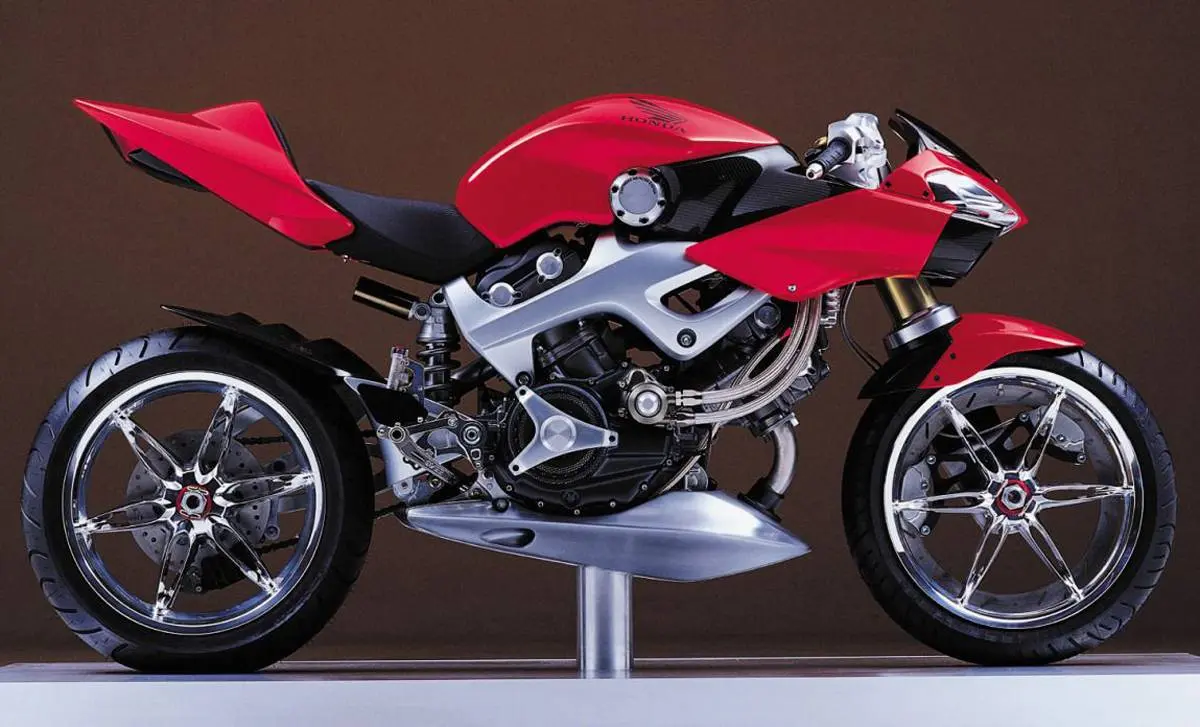
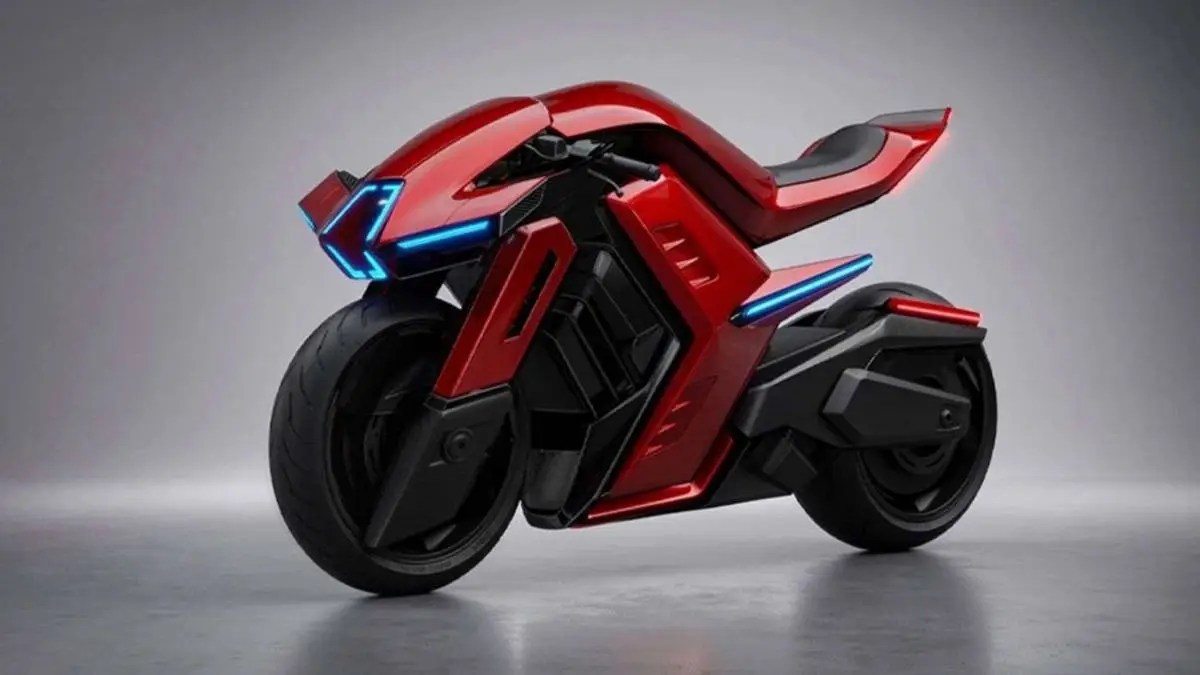
The Honda NAS is one of the most iconic concept bikes ever created. NAS, short for New American Sports, is the perfect example of how creativity can go beyond production. Usually only small craftsmen truly dare, but with this motorcycle Honda showed everyone its most romantic spirit.
The NAS was designed by Honda R&D America in 1999. It wasn’t born to be sold but to embody an idea, a dream on two wheels. It was shown to the public as a concept, a motorcycle conceived more as a work of art than as a vehicle destined for the road. The development team’s intent was clear: to redefine the concept of a street sportbike, experimenting with forms, materials, and technical solutions without economic compromises. The first public presentation took place in 2001, during an event in the USA: the bike was showcased as a styling exercise.
The NAS’s engine was a liquid-cooled V-twin derived from the VTR1000F, but what truly impressed was the chassis. A compact frame, single-sided front suspension, and a single rear swingarm helped create a minimalist and aggressive aesthetic. Every element seemed designed to emphasize lightness and clean lines. Even the details—from the billet-machined wheels to the front brake mounted on the rim’s edge—told a precise philosophy: the NAS was meant to excite, amaze, and demonstrate how far human ingenuity could be pushed in the motorcycle world.
The riding position and fuel tank design amplified this sense of crafted perfection, with the knees cradled as if in an embrace and the overall setup resembling a sculpture more than a motorcycle. Despite the stir it created, the NAS never went into production. The NAS is remembered as a symbol of Honda’s creative freedom and innovative drive. It is tangible proof that designing a motorcycle can be an artistic act, a manifesto of technical boldness and aesthetic vision, without the need for commercial compromise.
Read also

.
Continue reading
You might also like



More news



Popular articles



Loading