A first for Brazil: extended Moto2/Moto3 sessions and an enhanced Pirelli tire range
Road RacingTuesday, 17 March 2026 at 11:58
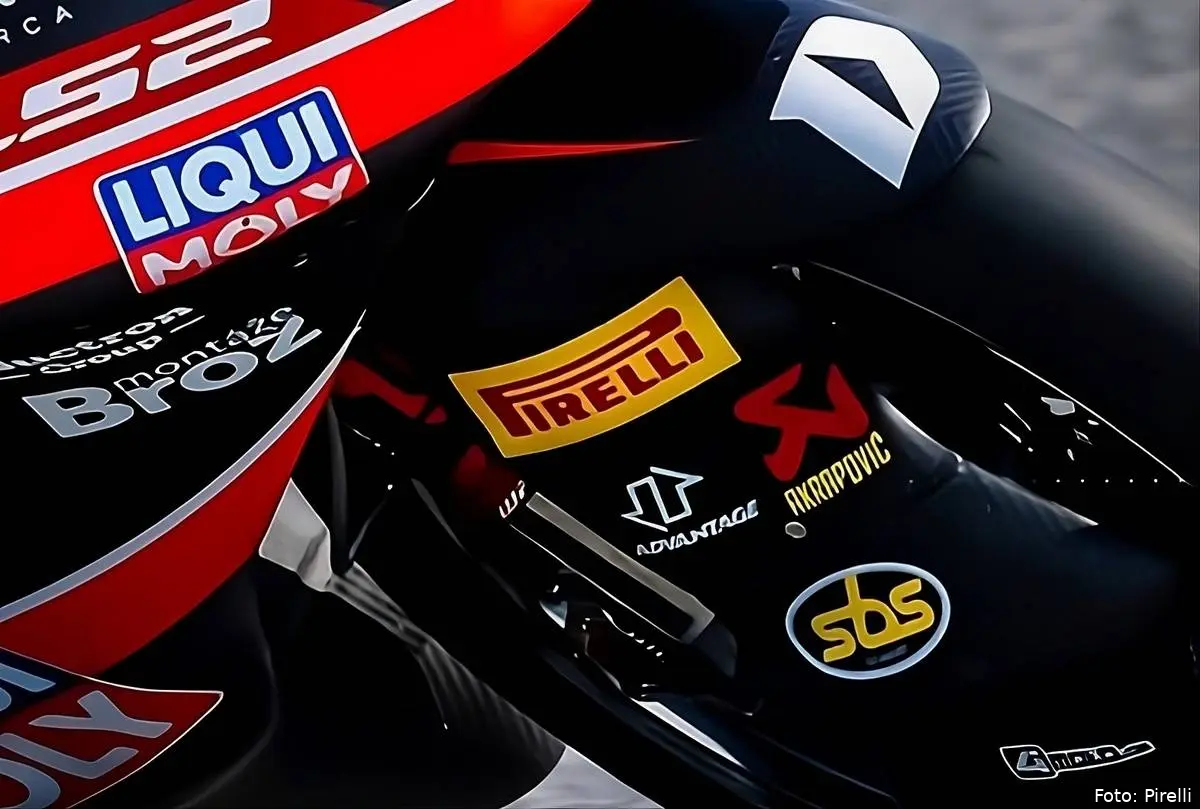
Longer sessions in Brazil? A different and broader range is needed. Pirelli prepares for the big unknown of 2026.
The Autódromo Internacional de Goiânia – Ayrton Senna, which will host the Brazilian Grand Prix, has already hosted the Motorcycle World Championship at the end of the 1980s (its history), but it is a brand-new track for all current riders in the championship. It has also been completely resurfaced recently and undergone some layout changes. As it is an absolute novelty, the Friday afternoon sessions for Moto2 and Moto3 will each last 10 minutes longer than usual. For this reason, riders will have one extra set of tires available, for a total of 19 tires, 9 front and 10 rear, to be used over the weekend compared to the standard allocation of 17 pieces (8 front and 9 rear).
With the option to use an additional set of tires, Pirelli is supplying riders with a higher number of pieces than at other GPs. In particular, each Moto2 rider is allocated 9 pieces of the soft solutions (SC1 front and SC0 rear) and 6 pieces of the medium ones (SC2 front and SC1 rear), while for Moto3 each rider has 9 pieces available for each of the two front options as well as for the two rear options. At this time of year in Goiânia, the probability of rain is quite high; in that event, riders will be able to use DIABLO Rain wet tires.

New circuit, range tires
“Although it has already hosted the Motorcycle World Championship for three years, Goiânia is, in all respects, comparable to a new circuit. None of the current riders have ever raced there before,” emphasized Giorgio Barbier, Pirelli’s moto racing director. “Nearly forty years on, it’s unlikely that even among insiders there’s anyone who still remembers it. Moreover, the track has undergone major redevelopment, including complete resurfacing, the widening of some run-off areas, and changes to the layout—particularly Turn 12—to meet current FIM Grade A safety standards and make it suitable for the high speeds of modern bikes. Based on feedback from some riders who lapped there last year after the Argentine GP, we know it’s a very short but at the same time very fast track, with a very long start/finish straight where high top speeds can be reached. The new asphalt should offer good grip but, of course, we have no information on tire wear impact.”
The schedule will be very different from other race GPs, with all categories spending more time on track on the first day. “Precisely to allow everyone to get to know the circuit better, Friday sessions for all classes will be longer than usual—10 extra minutes for each of the two sessions in the case of Moto2 and Moto3,” added Barbier. “For this reason, riders will be able to use an additional set of tires compared to the standard allocation. When we go racing on a new track, we prefer to rely on the standard allocation featuring established range options—tires that are regularly available on the market—which riders and teams in both classes know very well. It will be interesting to see whether this circuit proves more suited to softer or harder solutions.”

Continue reading
You might also like
More news
Popular articles
Loading