Goiânia 1987: Between a Radioactive Accident and Gardner’s Title—Now MotoGP Prepares Its Big Comeback
MotoGPSaturday, 14 March 2026 at 12:00
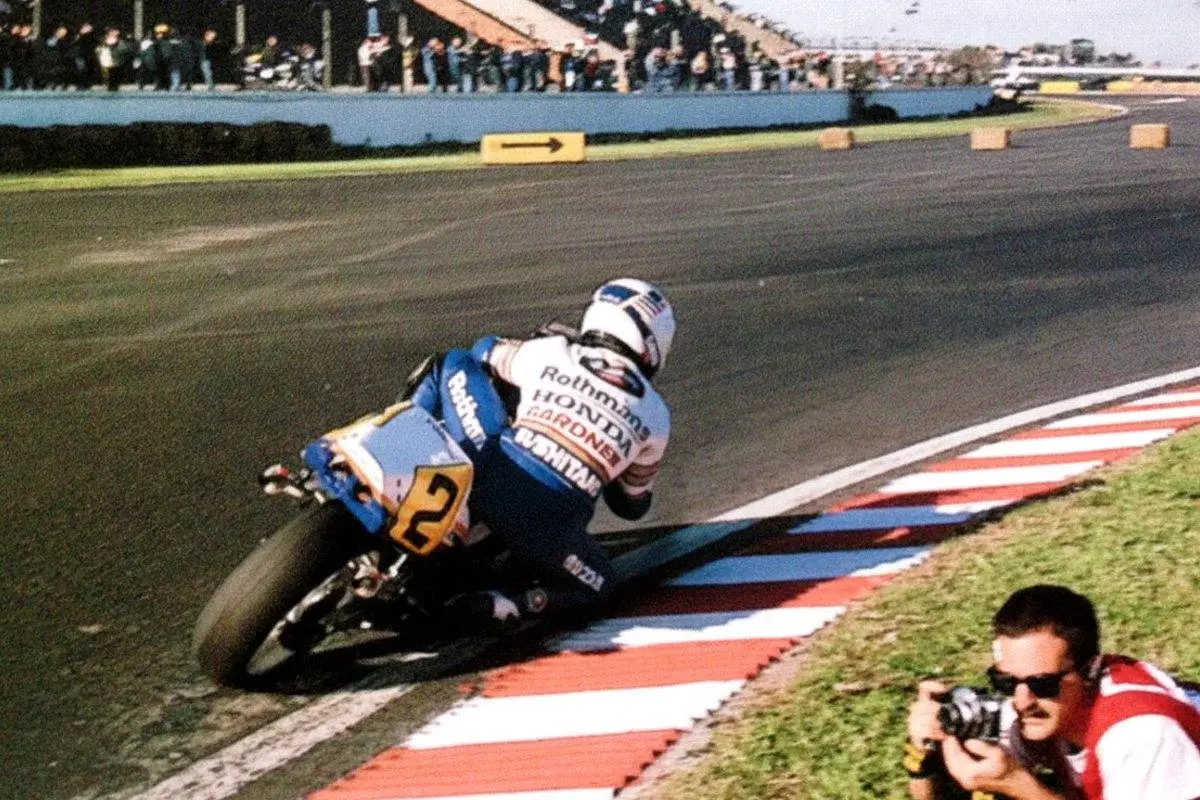
After 22 years since Rio 2004, MotoGP is set to return to Brazil, doing so next week at the Autódromo Internacional Ayrton Senna in Goiânia, completely revamped after its previous stint in the 1987–1989 triennium. Notably, in that first edition of the modern Brazilian Motorcycle Grand Prix, the race took place in the midst of a serious incident that made headlines at the time.
THE GOIÂNIA RADIATION INCIDENT
In 1987, the event was in fact held at the height of the infamous “Goiânia Incident.” It occurred following severe contamination by Cesium-137 in the Setor Aeroporto district when, after passing through several hands, an old device used in radiotherapy was stolen from an abandoned hospital. Around 250 people were severely contaminated, 4 of whom died, and riders and staff in the World Championship only learned about it on the Monday after the race. Not ideal for an event that was meant to make people forget the organizational disasters of the IV Centenary of São Paulo Grand Prix held in 1954, marred by unpaid prize money, an endless series of crashes and injuries, medieval safety standards, and the FIM stripping the Brazilian federation of its affiliation.
THE RACE
In that Grand Prix held over the weekend of September 25–27, 1987, Goiânia partly succeeded in putting Brazil back on the map of the Continental Circus. It entered the history books, as Wayne Gardner’s race win crowned him World Champion of the 500cc class for the first and only time in his career. He sealed the deal at the end of 32 grueling laps run in sweltering temperatures above 30°C, beating Eddie Lawson and Randy Mamola.
THE ISSUES AT GOIÂNIA 1987
It was a big celebration for the 30,000 spectators in attendance, contrasted by several issues encountered. The bumpy asphalt left much to be desired, as did the fairground-like infrastructure. Nonetheless, the FIM homologated the venue with a score of 9 out of 10, leading to contract renewals for 1988 and 1989. Thirty-nine years on, the circuit named after Ayrton Senna will have to earn FIM Grade A homologation. A race against time, as has become evident in recent months.

Continue reading
You might also like
More news
Popular articles
Loading