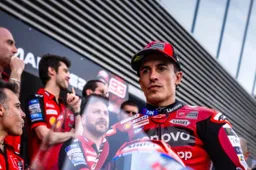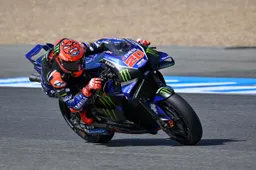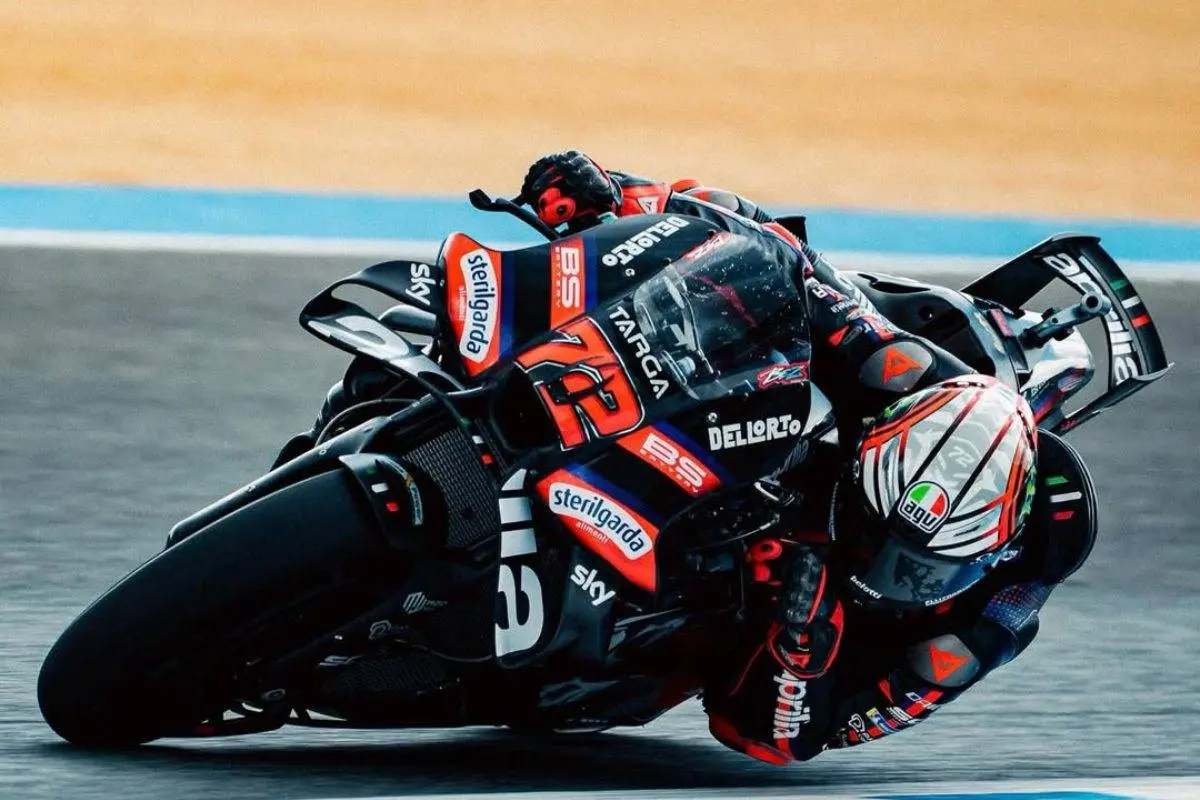
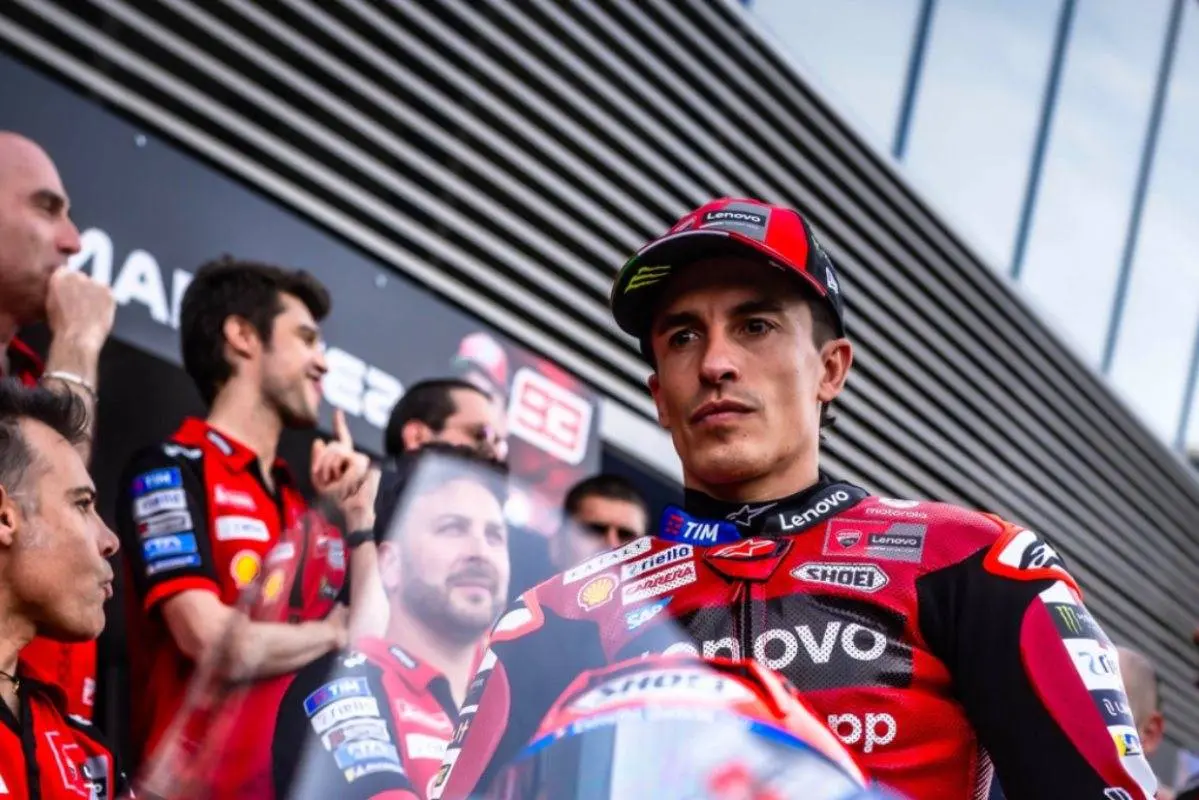
Aprilia sees its winning streak, which had continued for five consecutive Grands Prix, come to an end at Jerez, but it remains firmly at the top of the MotoGP riders’ standings. Marco Bezzecchi and his brand-mates dominated the post-race test, with the Veneto-based manufacturer ready to unveil new aerodynamic solutions to secure supremacy on track.
Aprilia leads the Jerez test
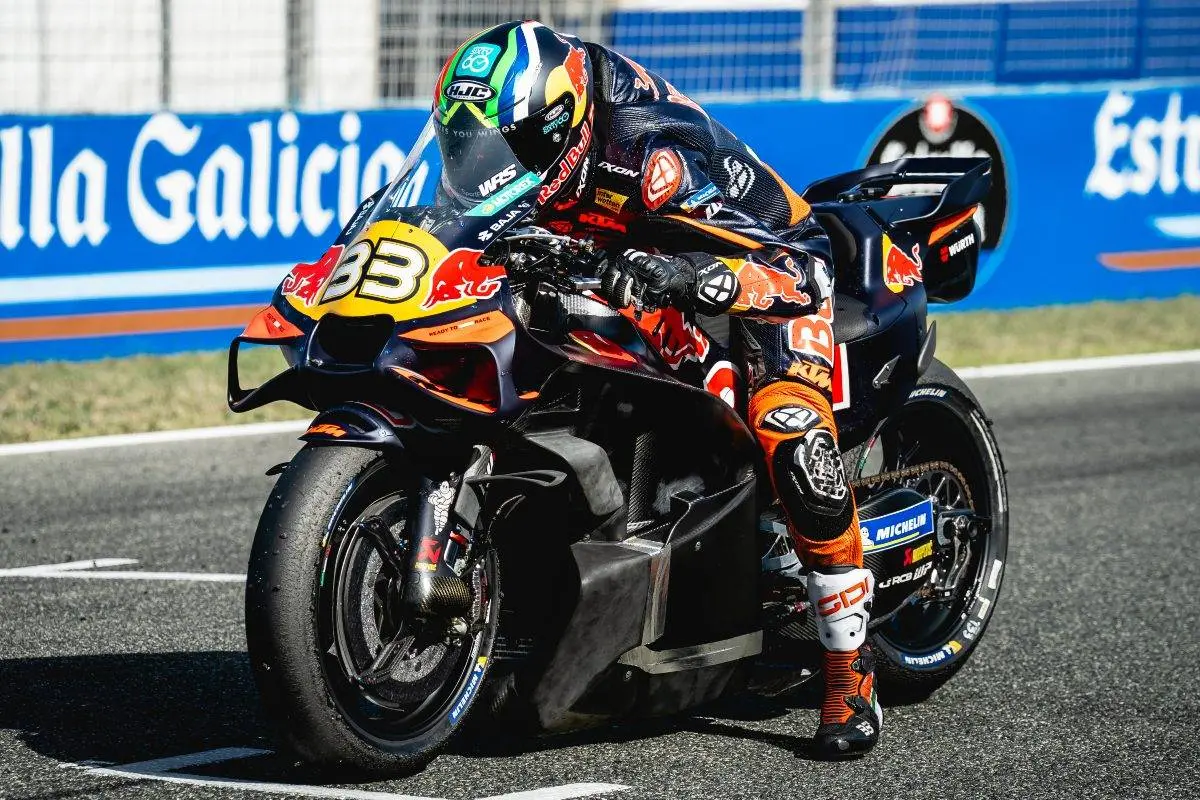
On a sunny and very windy day at the circuit named after Angel Nieto, we saw new fairings from Aprilia, KTM, and Ducati in action. The updates were immediately eye-catching, with the Noale manufacturer rolling out an all-new aero pack featuring add-on elements mounted on the traditional wings and a device fitted to the tail unit, designed to monitor airflow and enable more targeted aero development. And the lap times reflected it right away: the best lap of the MotoGP test was set by Ai Ogura in 1'35"944, followed by his garage-mate Raul Fernandez (1:35.949). Rounding out this hypothetical podium was the championship leader, Marco Bezzecchi, working on aerodynamic solutions that bode well for the upcoming rounds.
New aerodynamic solutions for Aprilia
The side wings represent the latest in a series of Aprilia’s aerodynamic innovations. The company was the first manufacturer to introduce ground-effect fairings in MotoGP in 2022. Since the start of this season it has been using a closable duct in the fairing to divert air and increase top speed. At the Jerez test, the Veneto manufacturer unveiled an innovation: a new set of winglets mounted on the upper fairing around the windscreen.
The wings are similar in shape to the double-deck side wings Ducati has used for several seasons, but they are positioned much higher, alongside the windscreen. In this location, the wings shape the airflow over the rider’s back when tucked on the straight, generating better downforce. In addition, the side plates appear to be sculpted to manage airflow around the rider, likely to reduce aerodynamic drag on the straights, but potentially also to enhance the effectiveness of the side winglets.
The ‘antenna’ on the rear of the bike
That’s not all. Aprilia stole the show at the MotoGP test with a truly curious and impossible-to-miss rear device. It’s a metal structure bristling with small sensors that protrudes from the back of the bike. This device, equipped with a USB port, is essentially a giant data collector. The goal is to study the wake left by the motorcycle and rider as they slice through the air at high speed. Until now, nearly all attention has focused on how air hits the front of the bike, but engineers have discovered that what happens behind the rider is just as important for achieving higher speeds.

When air passes over the rider, it doesn’t follow a straight path; it becomes chaotic, generating drag that slows the bike. Technicians analyzing these airflow patterns explain that the most significant gains currently lie in the rear section, where the air stops moving in an orderly fashion, mixes, and ultimately loses all its energy, creating invisible resistance. The device helps to better understand how these vortices form: if the airflow behind the rider can be made narrower and more controlled, the bike can reach higher speeds.
Continue reading
You might also like
More news

Popular articles
Loading