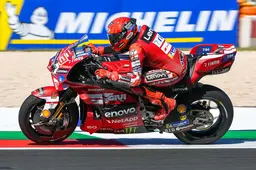
Eleven years have passed since that fateful 2015. In the meantime, Brexit has redrawn the borders of the EU, Covid has upended daily life, wars have reshaped global geopolitics, a new Pope has taken office, and the AI revolution has transformed the world of work. In MotoGP, people are still debating the Marquez-Rossi clash as if it were yesterday.
Conspiracies and foul play in the world of sport have always existed and always will. In MotoGP, nothing of that magnitude. And, as a result, nothing with that level of resonance. But does it really make sense to keep talking about it? What benefit can it bring to those directly involved? And to outside observers? None, except to fuel the media games that Dorna has built into its strategic plan.
MotoGP doesn’t need it
In the strategic plans of the new owners, MotoGP must follow the path already taken by Formula 1; they need to end up speaking the same language—the same as that of the ownership that runs them. The sensationalization of everything other than the mere roar of the engines has been a reality for some time. As has the feeling that there’s something forced about it. If in F1 the media clashes and the surrounding attention arise spontaneously thanks to the strong personalities involved, in MotoGP they try to manufacture them at the drawing board. Mostly—and here’s the short circuit—between an active rider and a rider who retired years ago. Is MotoGP so starved for content that it can’t find anything else to latch onto to build a following? Last year aside, judging by the on-track show, you wouldn’t think so at all. Perhaps it’s just starved for ideas.
Dorna even made a documentary that examines, with previously unreleased footage, what happened between Rossi and Marquez at Sepang 2015. As if it were deciding the current championship; almost as if it were providing material for a potential appeal to some two-wheeled authority. At the 2006 World Cup we got Frings suspended by replaying, two days after Germany-Argentina, footage of a slap the German midfielder gave Demichelis. But in that case, the match against Italy had yet to be played; we weren’t talking about an incident from eleven years earlier.
Leveraging the historic rivalry to capture attention
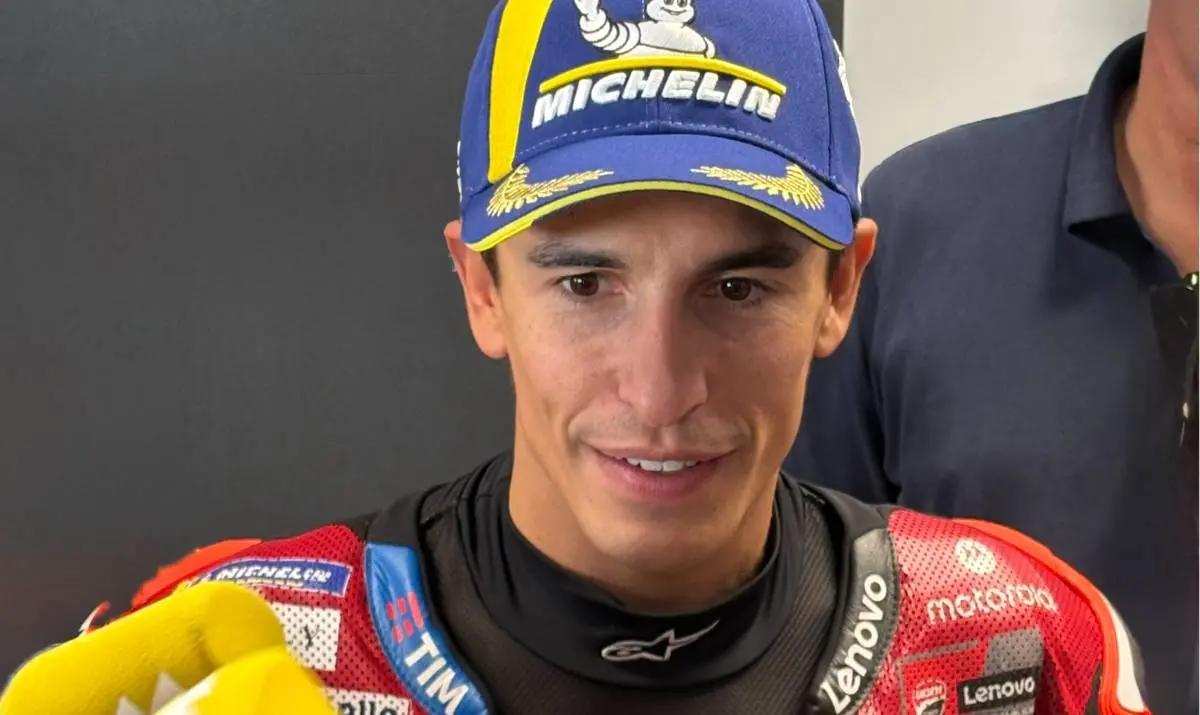
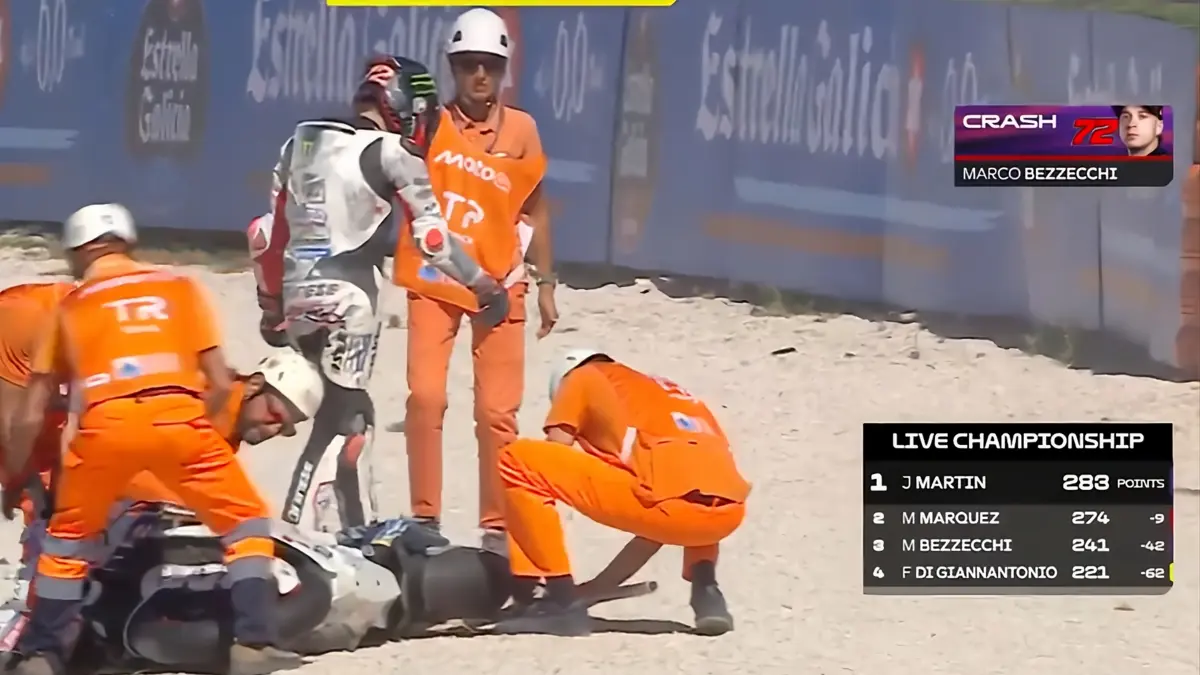
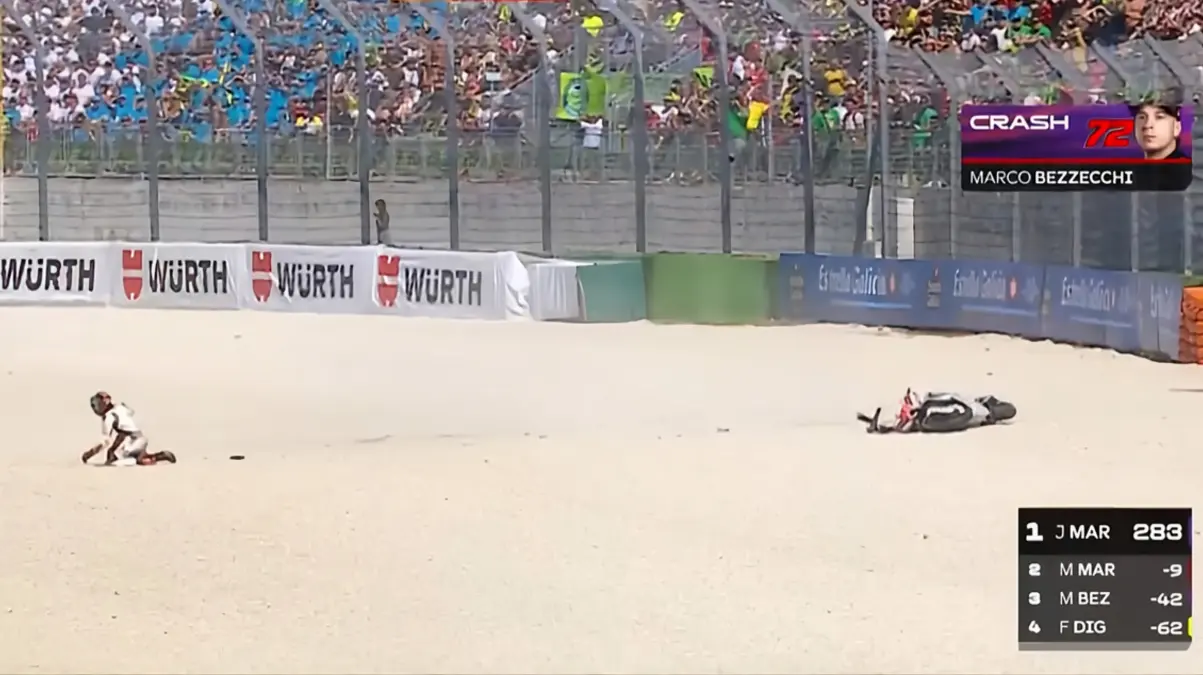
If you open the MotoGP Instagram account, you won’t find a single interview from the media scrum—which, in modern paddock parlance, is when riders make themselves available to journalists. Not a single one. Until Misano 2026. Off the cuff, trying to imagine the topic, you’d think of Marc Marquez’s great show of strength. Or the best sprint race of the season by Marco Bezzecchi, who then threw it all away spectacularly in the GP. Or Jorge Martin’s determination to maintain the lead in the standings. But no: they feature the nine-time world champion, today’s idol, prompted about Rossi’s new book. It’s not the question itself—legitimate, polite, and asked by an excellent journalist—that’s surprising. It’s Dorna’s choice to give it so much prominence, to select that one among hundreds. Or worse: the impression is that they seized the opportunity to reinforce a fan-catching, polarization-driven narrative. The kind that appeals more to gossip lovers than to motorcycle racing fans.
-> Follow us on Instagram: @Corsedimoto
Continue reading
You might also like
More news
Popular articles


Loading