SBK has overlooked something: Bautista protests. And the "anti-Marquez" rule arrives too
SuperbikeSaturday, 01 August 2026 at 13:40
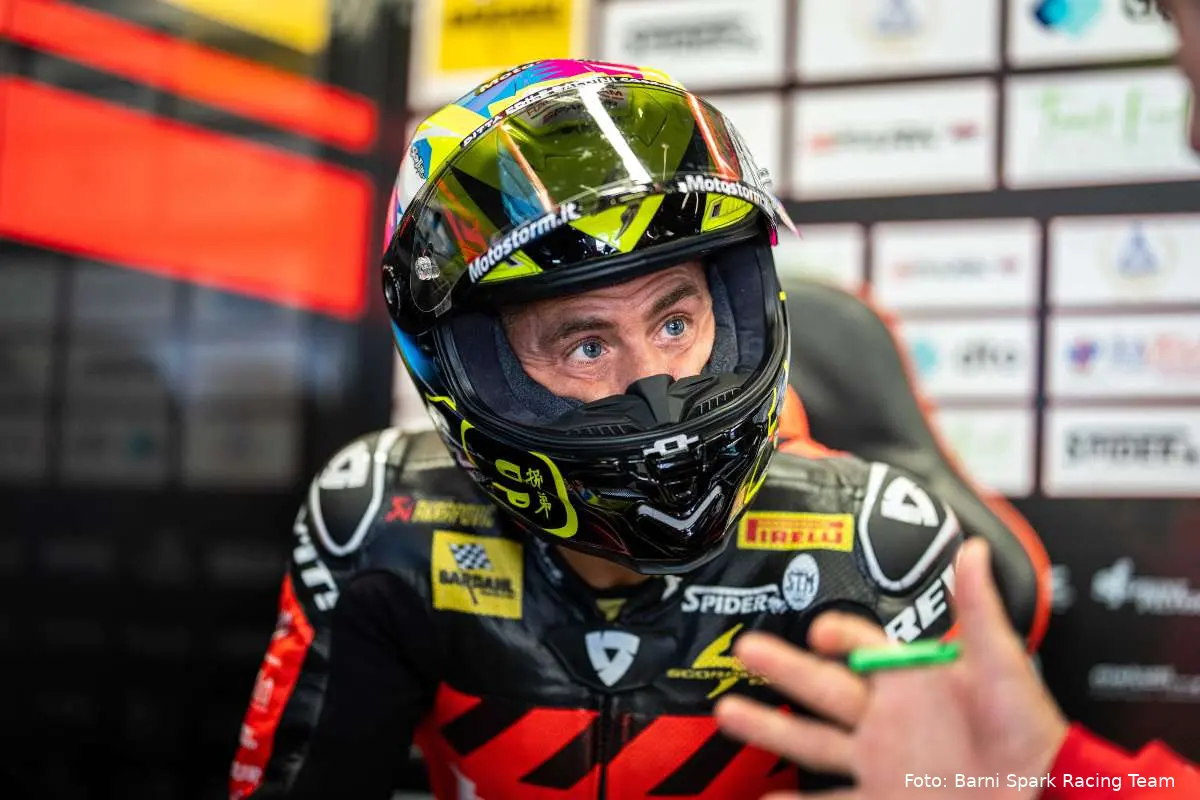
Márquez has also influenced the Superbike regulations, freshly updated. Bautista has something to say on a topic close to his heart.
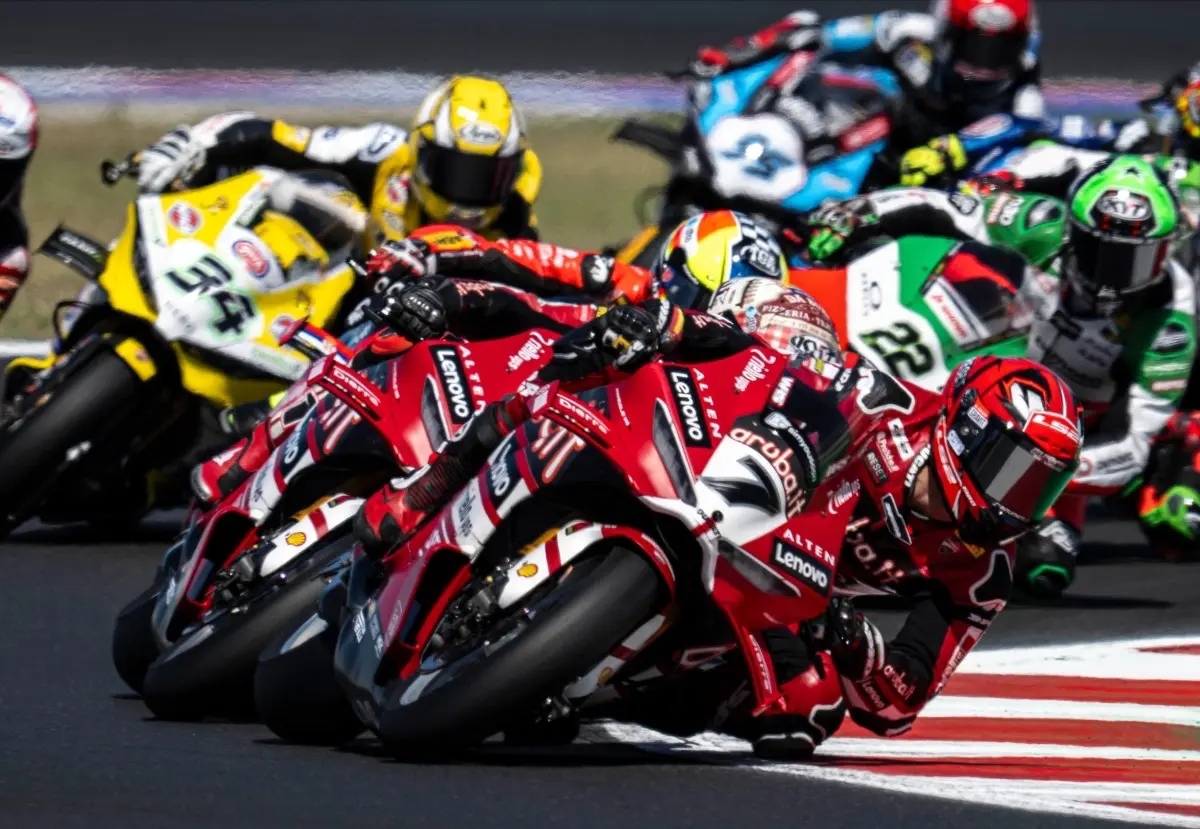
On Friday, July 31, major changes were announced for the future of the Superbike World Championship. Some new measures will be introduced as early as 2027, others in the following years. Only time will tell if the decisions made will bring improvements to a category that needs to get back to delivering spectacle, excitement, and more unpredictable results.
Superbike technical regulations: what will change in the coming years
An important change approved for 2027 is the adoption of a single fuel supplier for all teams. A move that will help reduce costs and also limit those (Ducati) who have so far been able to gain an advantage from the fuel used (details here). Also in 2027, we will see the reintroduction of engine revs as a parameter to be combined with fuel flow in an effort to achieve a more balanced Superbike World Championship.
Ducati’s overwhelming dominance in 2026 prompted action, including a review of the concessions system, which will be changed starting in 2028. And still within the scope of the technical regulations, from 2030 bikes with 4-cylinder engines with a maximum displacement of 1200cc may also be lined up on the grid, thus surpassing the 1000cc limit and allowing other brands to enter SBK with bikes that today could not compete in the category. An example? Aprilia with the RSV4 1100.
SBK, sporting regulations: immediate changes
The official statement on the decisions made by the Superbike Commission at the meeting held at Donington Park also included changes to the sporting regulations to be applied already this 2026 season.
- Pit lane entry: In all sessions, including races, the only permitted entry to and exit from the pit lane is via the designated entry/exit point and route, defined by the broken white line, following the pit lane entry lane and passing the designated pit lane entry timing point. In any case, the specific information provided by Race Direction for each circuit applies, defining prohibited routes. Should the broken white line not be crossed or the entire pit lane entry/exit lane not be used, the FIM Stewards may apply the prescribed penalties.
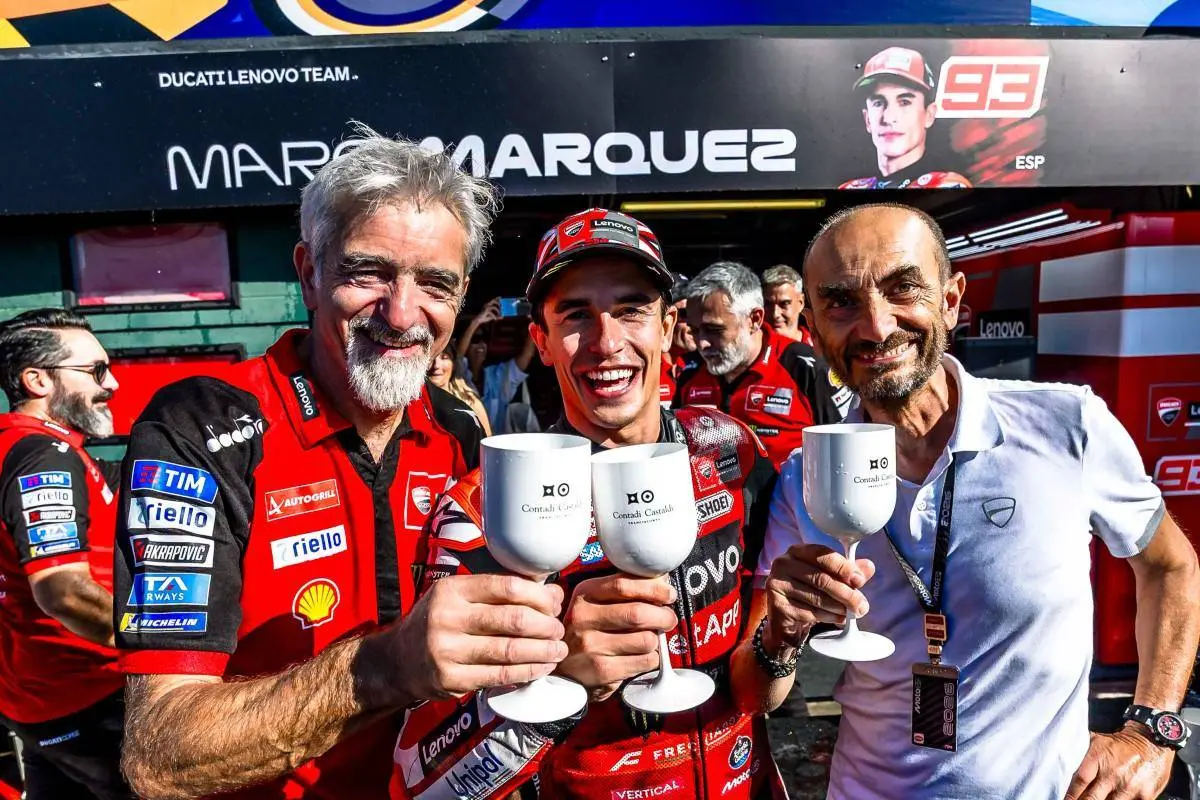
This isn’t new to you, right? It’s a change that has already been approved in MotoGP as well, where the intervention came after Marc Márquez cut across the grass to return to the box following his crash at the final corner in the Jerez Sprint. The incident sparked debate, with more than a few people complaining about the lack of a penalty, but the regulations supported the Ducati rider. To avoid such situations, it has been established that there is only one way to enter the pit lane. Goodbye to “cheeky shortcuts” both in MotoGP and in Superbike.
- Lapped riders: to prevent riders lapped more than twice from affecting other competitors’ races or interfering with tire strategies focused on setting fast laps, it has been decided that any rider who enters the pit lane during the race to make adjustments and is at least two laps down on the race leader will be prohibited by Race Direction from rejoining the track.
Is something missing? For Alvaro Bautista, yes
The changes to the technical regulations are up for debate: some believe they may work, while others are pessimistic. One person who isn’t particularly happy, because he feels something is missing from the package of decisions made, is Alvaro Bautista.
In fact, the two-time Superbike World Champion expressed his displeasure on social media. On his X profile he commented on the article about the announced changes as follows: “And what about eliminating the combined weight? It’s not fair at all.”

Obviously, Bautista is referring to the minimum weight rule that was introduced in 2024 and is forcing him to race with about 6–7 kilograms of ballast. The regulations set a reference weight of 80 kilograms for each rider: suit, helmet, gloves, boots, and protection are included. Ballast of 0.5 kg is applied for every missing kilogram: if a rider weighs 68 kg, 6 kg of ballast is added to his bike. The maximum additional weight allowed is 10 kg. Alvaro has complained a lot about this rule, which is very penalizing for him. He tried everything he could to get it removed, but didn’t succeed.
-> Follow us on Instagram as well: @Corsedimoto
Continue reading
You might also like

More news
Popular articles
Loading