The silent giant reshaping the industry: Bajaj leads KTM, reignites innovation, and stays global
Stories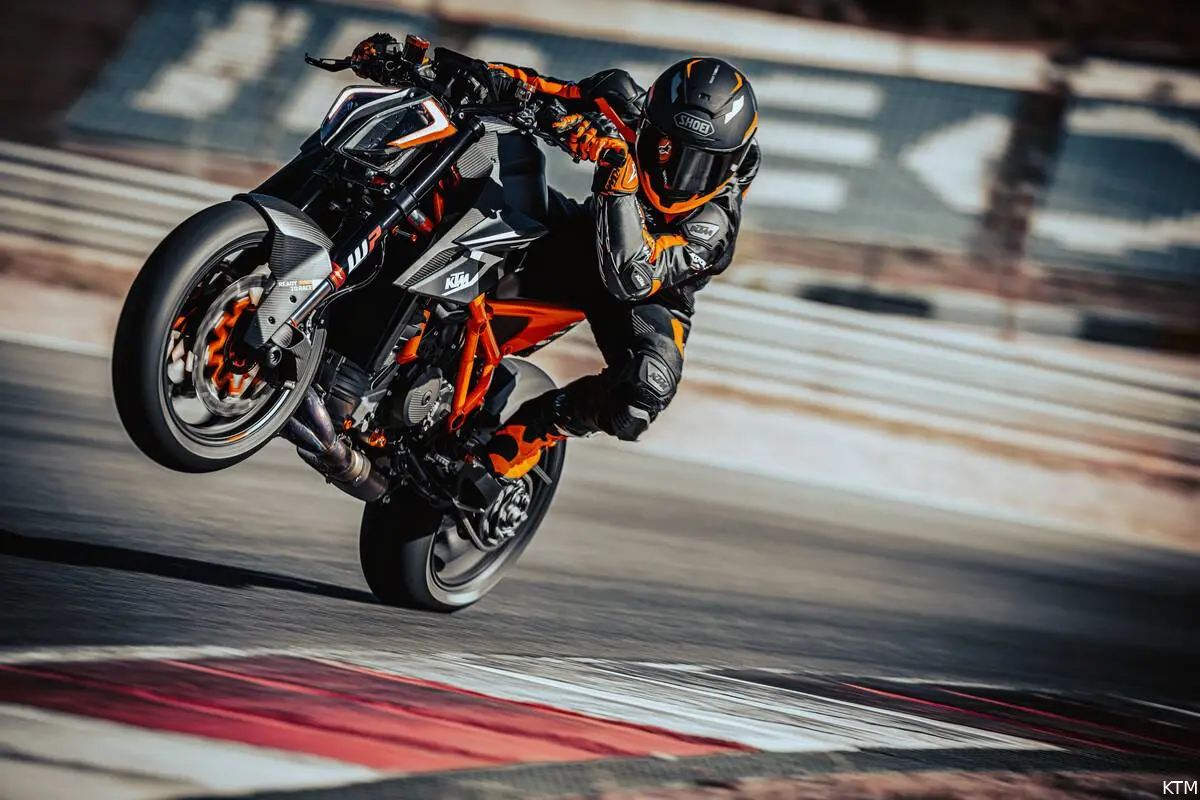
Bajaj Auto doesn’t like being in the spotlight, but when it moves, it shifts the balance. The Indian giant has extended its reach up to the Austrian Alps, taking control of KTM. A meeting of two distant worlds that today becomes a shared strategy.
The company, born in the postwar period as a motorcycle importer, is now a global force capable not only of producing millions of vehicles, but also of influencing the two-wheeler market on a worldwide scale.
Bajaj is the world’s second-largest scooter manufacturer, the fourth-largest motorcycle manufacturer, the undisputed leader in India, over one million vehicles a year, a brand present in 53 countries. It’s a company with a very precise philosophy: useful technology, efficient industrialization, and a pragmatism that has already set the standard in the sector. If it manages to keep KTM’s soul intact while bringing Indian production rigor into the Austrian brand’s strategies, we could witness one of the most interesting cultural and industrial mergers of recent decades.
Origins
The story begins in 1945, with the Bachraj Trading Corporation, which brought foreign vehicles to India. In a country building its own industrial identity, Bajaj seized the opportunity and in 1959 obtained the green light to produce independently. Nationalization arrived in 1960: a boost that turned the company into an engine of Indian mobility.
In the 1960s Bajaj found an ideal partner in Piaggio. Vespas produced in Pune were born, symbols of a modern India on the move. The partnership ended in 1971, but Bajaj didn’t miss a beat: it continued to produce identical scooters thanks to the molds and technologies it had already acquired. This is where the legend of the Chetak was born, the scooter that would become a national institution, the vehicle with which millions of Indians learned to get around.
In the 1970s and 1980s the numbers spoke louder than any slogan: 100,000 vehicles produced in 1970, 100,000 per year in 1977, 500,000 in 1986, 1 million in 1995. Bajaj became the undisputed leader in India for scooters, motorcycles, and three-wheelers, exporting to over 50 countries and consolidating a reputation as a solid, pragmatic, industrially impeccable manufacturer.
Major partnerships: the global proving ground
Over the years, Bajaj refined its expertise by collaborating with brands like Daihatsu, Kawasaki, and Renault-Nissan. These partnerships allowed it to grow technically and industrially, paving the way for one of the most strategic choices in its history: taking a stake in KTM.
The relationship with KTM began in 2007 and is much more than a financial deal. Bajaj invested, yes, but above all it built, industrialized, and developed. The small KTM Duke 125, 200, 390, and RC were born. These models conquered Europe and Asia, became benchmarks, and took the Austrian brand into previously unreachable territories.
This synergy has never been a one-way relationship: KTM brings technology, vision, and design. Bajaj offers production capacity, efficiency, and access to emerging markets. A rare balance that works because it’s based on complementary strengths.
2025: the decisive moment
The turning point came in May 2025, when KTM was hit by a financial storm. At that point Bajaj didn’t hesitate: it put 800 million euros on the table and saved the company from the most serious crisis in its recent history.
That move was much more than a helping hand: it was the prelude to the acquisition that was completed in November 2025. Bajaj Auto, through its European subsidiary, exercised its options and rose to 50.1% of Pierer Bajaj AG, thereby gaining indirect control of 74.9% of Pierer Mobility AG, the holding company that governs KTM. The holding’s name changed: Pierer Mobility AG became Bajaj Mobility AG. And the Supervisory Board was reshaped, welcoming key figures from the Indian company.
KTM stays KTM
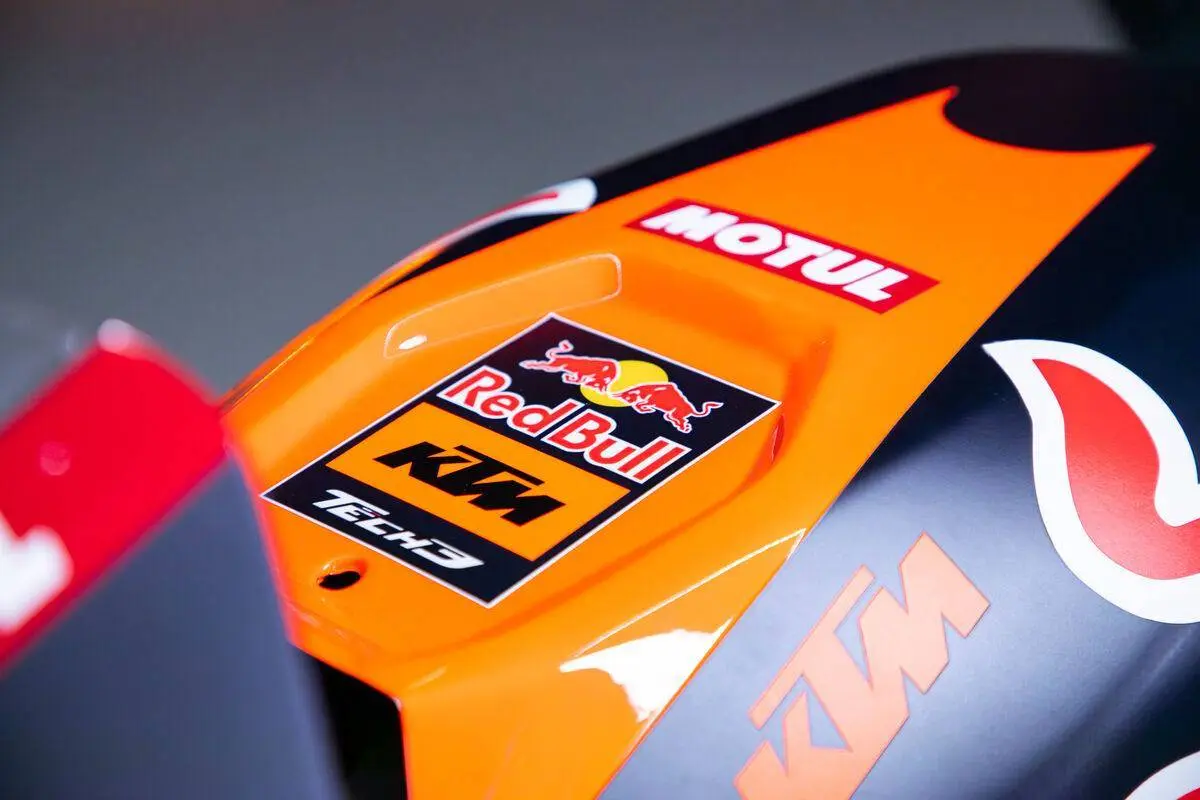
Enthusiasts have one concern: the identity of the orange brand. On this point, CEO Gottfried Neumeister is crystal clear. Mattighofen remains the heart of research and development, design stays Austrian, the “Ready to Race” philosophy is untouchable, and management operates autonomously. Bajaj is the owner, yes, but it doesn’t want to extinguish what made KTM unique: it wants to help it grow. With the crisis behind it, KTM can finally breathe and refocus on the product.
Read also
Continue reading
You might also like
More news
Popular articles
Loading