The Valencia test was a small appetizer for the next MotoGP season. Ducati had to do without its world champion Marc Marquez, entrusting the first evolution of the Desmosedici GP26 to Pecco Bagnaia. It’s certainly not the final bike, but the engineers from Borgo Panigale know which direction to take during the weeks leading up to the next 2026 test.
The new Ducati fairing
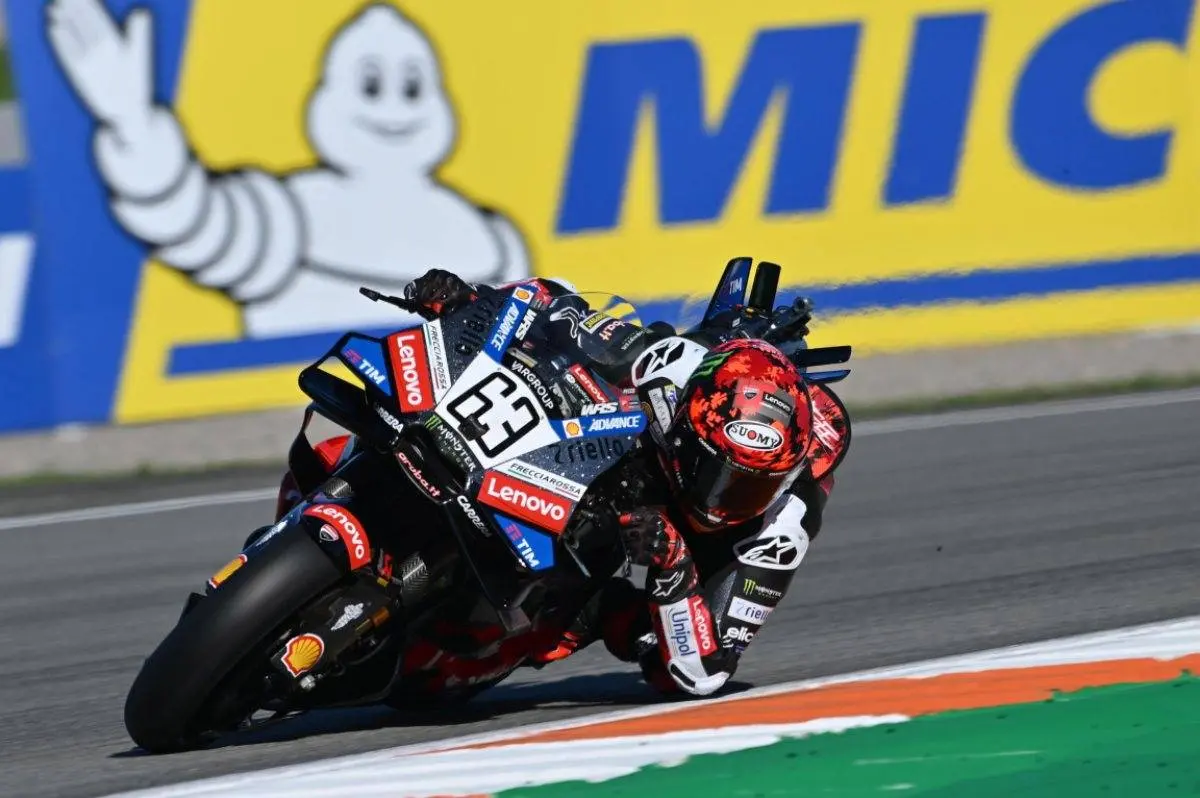
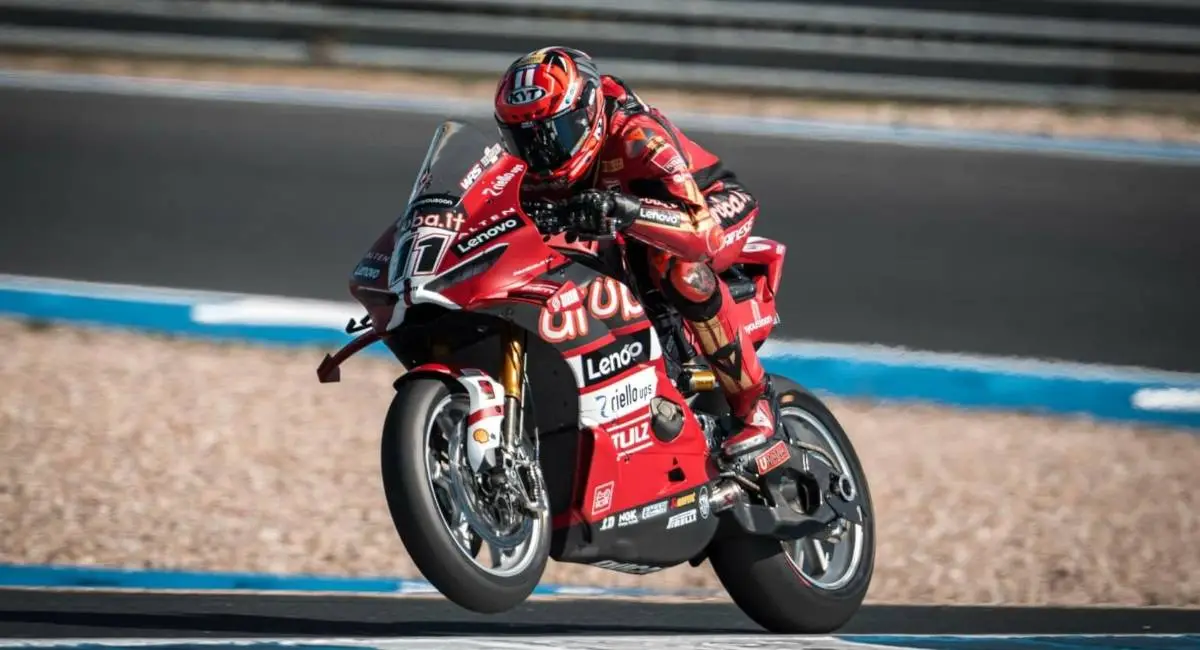
The Emilia-based manufacturer, like the other constructors, kept the GP26’s under-fairing updates under wraps. But aerodynamic developments can’t be hidden, even if the official package will only be homologated on the eve of the first race of 2026. Pecco Bagnaia took to the track in Valencia with a new fairing that seemed to be one with the side wing, probably to act as a corridor for airflow. Team manager Davide Tardozzi kept it brief: "We’ll refine the electronics; the most evident thing will be a fairing that’s different on the sides. Engine? It will be the 2025 for everyone."
Almost predictable statements, but the real goal is to offer a more rider-friendly bike to the Piedmontese rider, coming off a very complicated season. The aero package will certainly be a key aspect of the 2026 MotoGP prototype, which must provide the right balance between speed and handling. In the last World Championship, Pecco Bagnaia complained about too many issues with the front end of the Red bike, confirmed also by Marc Marquez, although the Cervera superstar managed to live with it perfectly.
New Ducati insights
Alex Marquez, who like Bagnaia had the chance to test the new fairing and also try the Michelin tires in 2026 spec, reported positive feelings. The Ducati spotted for the first time on Tuesday, conceived as a forerunner of the GP26, had an even more extreme design. It’s clear that the team led by Gigi Dall’Igna has absorbed and translated new insights gained in the Dallara wind tunnel in Varano de’ Melegari.
The opening at the bottom is no longer just an aerodynamic element but is integrated into the vertical profile, forming a sort of channel that serves to control the heat generated by the engine and the radiator. The aim is to clean up the airflow and prevent the rider from being hit by hot air, which can compromise concentration while riding at the limit. It’s no surprise, then, that so much attention is being paid to the bike’s internal airflow. With this new solution, Ducati directs air toward areas that minimize its negative effects.
Ducati remains the favorite
The most evident feature in the lower part of the fairing is the channel corresponding to the side air intake, as well as the much deeper and more pronounced channel that runs between the aerodynamic element and the side fairing itself. This is a true air duct designed to maximize downforce when the bike is at maximum lean.
Ducati has surely kept some of its cards hidden during the MotoGP test in Valencia, and ahead of the February tests it will lay more jokers on the table. But Pecco Bagnaia seemed quite satisfied with the technical novelties, and the Desmosedici will once again be the bike to beat. Also in the next championship.
Read also
Photo Michelin Motorsport
Continue reading
You might also like
More news
Popular articles
Loading