The Bezzecchi Case: Why don’t MotoGP and Superbike motorcycles shut off when they crash?
MotoGPTuesday, 23 June 2026 at 19:00
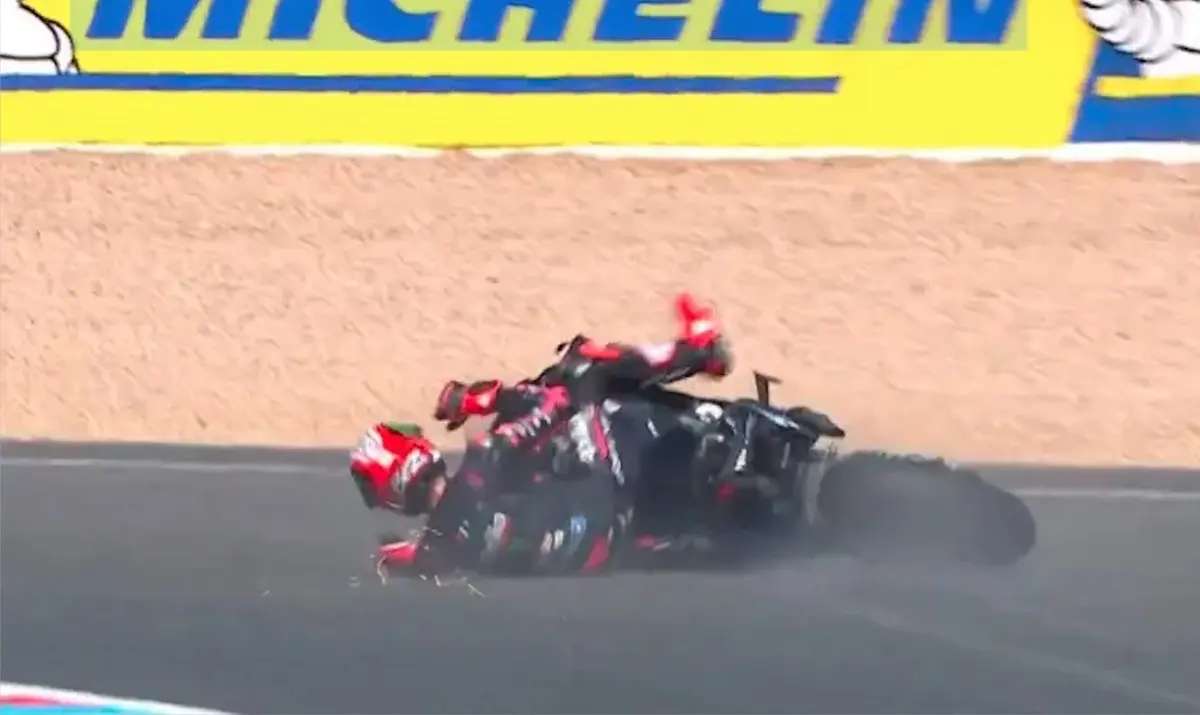
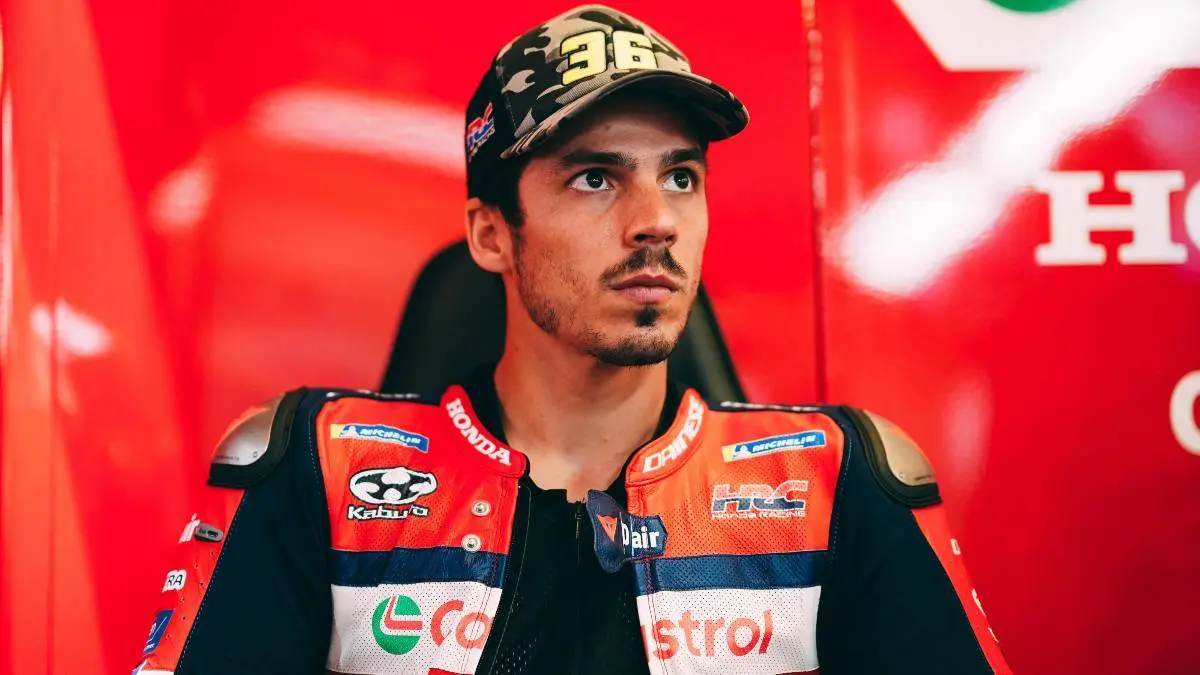
Marco Bezzecchi’s outburst against a marshal after his crash in the MotoGP Sprint at Brno also raises technical issues: wouldn’t it be safer if, in the event of a crash, the bikes shut off automatically?
The answer seems obvious, but it isn’t, because this problem has already been addressed many times in the history of motorcycling. In Superbike, years ago, an electronic system was introduced that, in the event of a fall—i.e., when the bike’s lean angle exceeded a certain threshold—cut the fuel supply, causing the engine to shut off. The device was later abolished, and we’ll see why shortly.
Risk and limits
Racing today is managed to minimize risks by increasing safety in every feasible area. But the fact that a rider can rejoin after an incident is clearly a weakness in the system. By regulation, it’s now up to track marshals to assess the damage and decide whether rider and bike are fit to return to the track, following re-entry procedures that were codified and updated before the start of the current season. This detail explains why Bezzecchi’s gesture was punished with direct exclusion from the GP.
Ensuring the bike doesn’t switch off is a clear need for the team, because in many cases the rider can resume the race, minimizing the impact on the standings, or return to the box more quickly in case of a practice crash. But these are scenarios that create potential danger. First, for those providing assistance: a crashed bike that’s still running is a hazard because, with a gear engaged, the rear wheel and drive chain keep turning. But especially for the riders: today’s MotoGP and Superbike machines are very complex, and it’s impossible to assess in a few moments whether key components have sustained damage.
Kill switch
MotoGP and Superbike bikes have a red button (kill switch) that allows marshals (or the rider...) to shut off the bike if needed. But in the heat of the moment, with the bike lying on its side and possibly more or less seriously damaged, it’s neither easy nor “natural” to reach it. In fact, the Brno marshal, instead of pressing the button, inadvertently twisted the throttle, revving the Aprilia and sending Bez into a rage. Remember that MotoGP engines are limited: Aprilia, which currently has no concessions, can use only seven for 22 GPs, plus 22 Sprint races and the related practice and qualifying sessions. Wouldn’t it be advisable, in the context of improving safety, to discuss introducing automatic shutdown in the event of an incident? Among other things, it could also help protect the mechanicals...

The strange case of Bayliss 2002
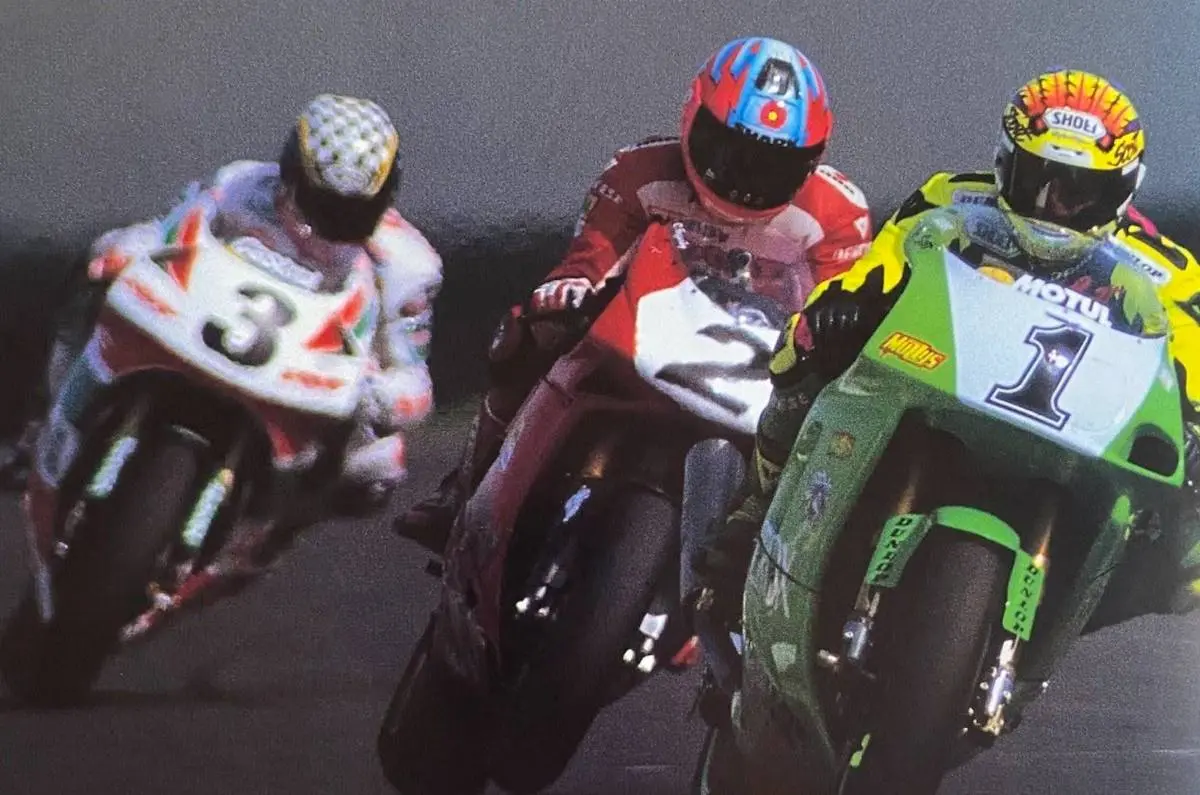
Those who have followed the Superbike World Championship for a long time will remember that in the early 2000s this device was made mandatory. But where there’s a rule, there’s a workaround. At Silverstone 2002 there was an episode that made history. In the downpour of Race 1, Troy Bayliss crashed twice on the Ducati, but in both instances he picked up the bike and resumed the race, finishing fifth at the flag.
The Honda HRC team, which won Race 1 with Colin Edwards, immediately requested verification of the auto-shutdown’s functionality. In parc fermé, the marshals tilted the Ducati to simulate a fall, and miraculously the twin-cylinder went silent. So everything was in order, to the bewilderment of the Honda HRC technicians present. For the record: Troy then won Race 1—we’re talking about the 2002 World Championship, the one with the legendary Edwards vs. Bayliss finale in the Imola showdown.
Nowadays, with the technology available, a trick like that wouldn’t be possible. The only thing that hasn’t changed is the risk. In the history of Grand Prix motorcycle racing, in distant years, there have been tragic accidents that occurred after a rider crashed and then rejoined. Thinking ahead, perhaps, wouldn’t be a bad idea.
-> Follow us on Instagram: @Corsedimoto
Continue reading
You might also like
More news
Popular articles
Loading