Marc Marquez and the injury question mark: pay attention to heart rate
MotoGPWednesday, 05 August 2026 at 09:19
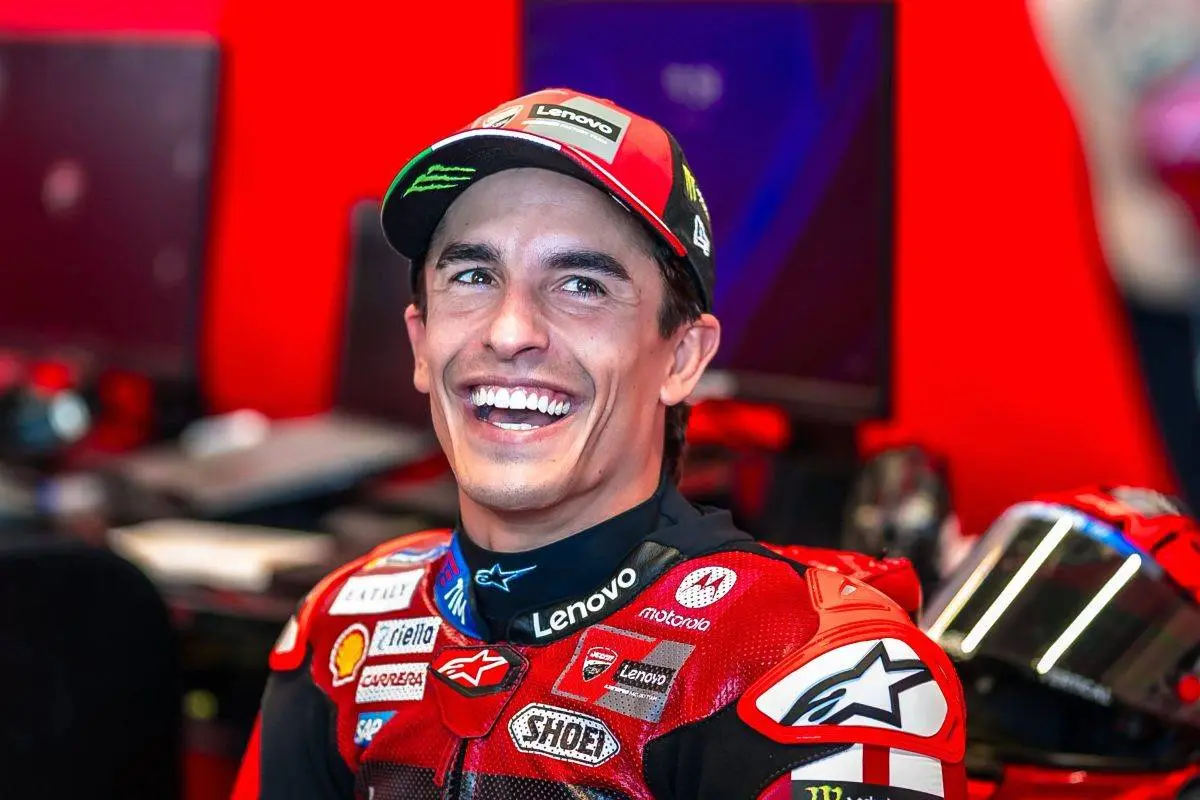
The MotoGP World Championship is about to restart after the summer break. Marc Marquez returns following three wins in the last four races, but with the uncertainty of his physical condition. What shape is the multi-champion’s arm in after a month-long stop? Will he be able to defend the world title with his mix of talent and madness?
The madness of a MotoGP athlete
Marc Marquez has long been considered one of the most spectacular riders in MotoGP history. His aggressive riding style, his irrepressible propensity for risk, and his constant pursuit of the limit have brought him numerous victories and world titles, but also serious injuries. For some time now, he has been racing in a more rational and wise manner, aware of how thin the line is between talent and madness. "You often hear: 'Motorcyclists are crazy.' But the craziest one doesn’t win," he said on the podcast 'Tengo un Plan'.
However, to shine in MotoGP you need a touch of sporting madness. "The winner is the one who knows how to make the most of that madness... You have to have that element of madness. Otherwise, you wouldn’t get on a bike that goes 350 or 360 km/h." To become a champion you need training, talent, and luck, which, blended together, form an explosive mix for winning. Without proper preparation, team support, and the ability to manage pressure, even the greatest talents can’t make it. "You need that element of madness. But you have to know how to use it well. It’s not enough to say: ‘I’ll push on, and whatever happens, happens’," added Marc Marquez.

The secret to winning
Over the past decades, the training of a MotoGP rider has changed drastically. Not only in terms of physical preparation, but nutrition and mental state are also fundamental. "Twenty years ago, the world of motorcycle racing perhaps wasn’t as professionalized as other sports. But now it is: either you are an athlete in motorcycling, or you can’t maintain a high level for a 45-minute race."
Throughout his career, the nine-time world champion has had to deal with fear and injuries. "One of my strengths and weaknesses was not seeing fear. Not seeing danger." Then the crashes, various surgeries, being 33 years old, and forced stops changed his approach to racing, putting the brakes on instinct. "What taught me the most were the injuries. Because mentality is one thing, but you learn above all from injuries," Marquez concluded. MotoGP requires a rider willing to push the limits, but who also knows where those limits are.
Heart rate
After Le Mans, the Cervera phenomenon flew to Madrid for a double arm-foot procedure. The summer break was also used to rebuild the musculature of the arm and right shoulder, which are currently his main limitation. One indicator of Marc’s progress could be his heart rate, "higher than ever" since the start of the Championship, due to the greater physical effort required of his body to compensate for the lack of strength in his right arm and shoulder. "Fortunately, I no longer have numbness [after the surgery to relieve radial nerve compression], I don’t have pain. I just have a lack of strength, a lack of muscle mass."
At the Silverstone GP, a circuit usually not very favorable to Ducati, we’ll find out how far Marc Marquez has come in his physical recovery. "My heart rate since I came back from injury is higher than ever. But at home it’s lower than ever," concluded the reigning MotoGP champion. "This means that when I get on the bike, I compensate with other factors for the shortcomings of my right arm."
-> Follow us on Instagram as well: @Corsedimoto
Continue reading
You might also like
More news
Popular articles
Loading