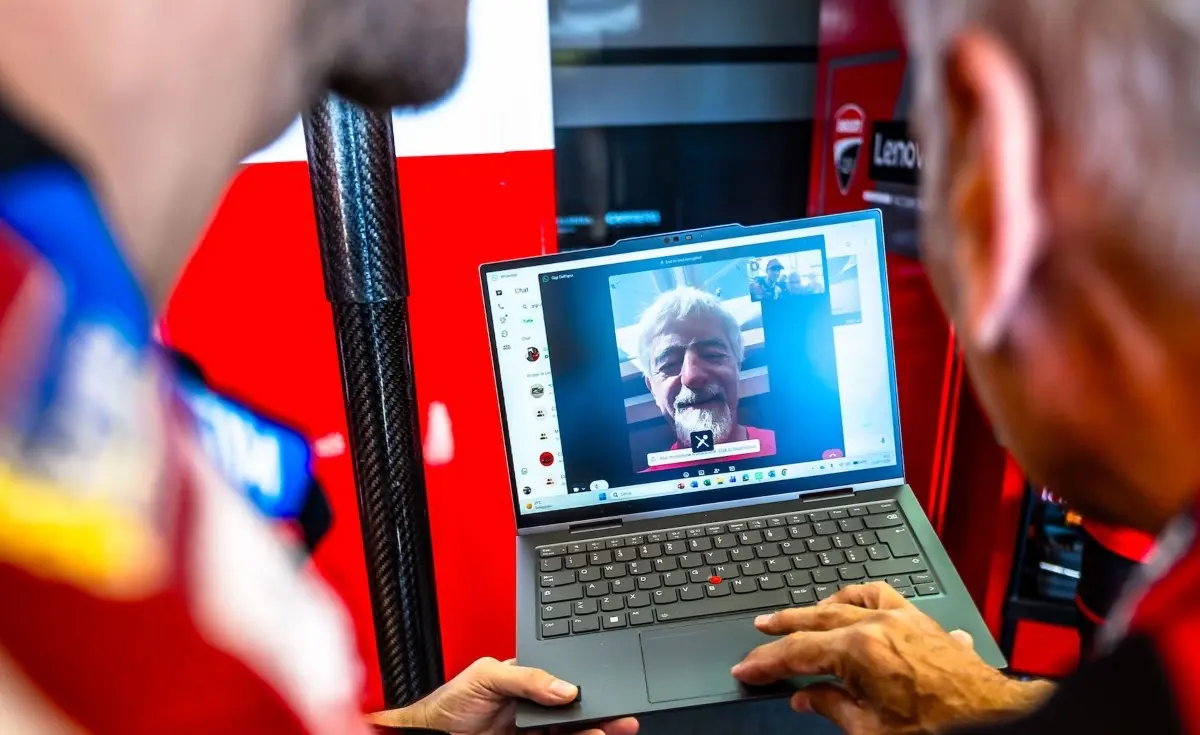
The alarm bell was rung by Luigi Dall’Igna: “Unfortunately, it’s a fact: we no longer see young Italian talents, and this greatly affects the Italian identity of our system.” The statements from the General Manager of Ducati Corse have sparked debate, but they outline the true contours of a paradoxical situation.
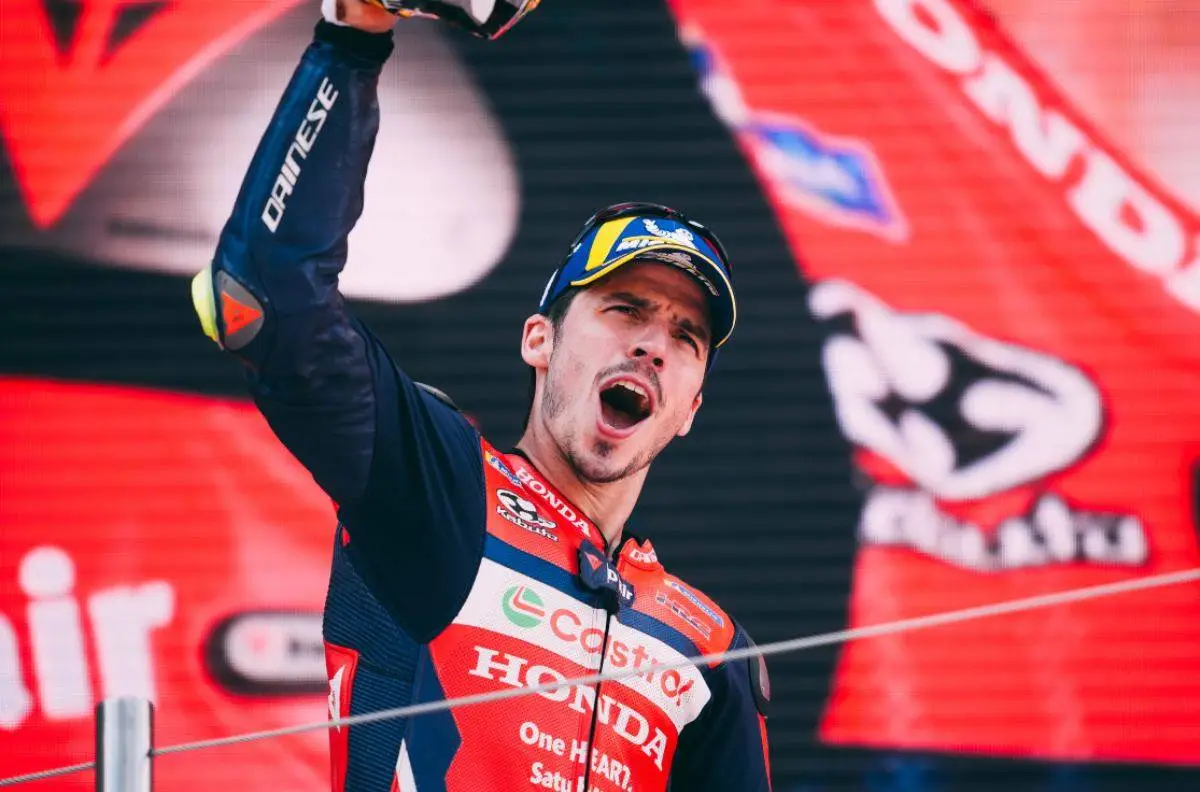
We are the homeland of engines by historical, cultural, and industrial right. But the cradle of modern motorcycling lies elsewhere, in Spain. And the latest moves from Borgo Panigale prove it: the signings of Acosta for the Factory team and Mir for Gresini paint the most successful Italian bike of the MotoGP era in yellow and red as well. Because Italy, despite having the best bikes, struggles to produce riders; while Spain (for more than two decades now, to be fair) manages to do the opposite.
The two faces of modern motorcycling
Of course, Italian talents haven’t disappeared entirely. Vietti, Arbolino, Lunetta, Bertelle, and Pini show that our school is alive. However, whereas Italy and Spain once ignited both a numerical and qualitative rivalry, today the balance has been broken. With the momentum of the VR46 Academy spent—an effort that gave us the era of Bagnaia and the likes of Morbidelli, Bezzecchi, and Bulega—Spain currently dominates the feeder classes. And this despite not having a national “flagship” bike.
From Sport Production to the dominance of the Spanish model
The difference lies in the type of support young riders can access. In Italy, you need a private academy or family budgets out of reach for most; in Spain, the centralized system and championships like JuniorGP continue to knock down entry barriers. The underlying problem is that our motorcycling scene has become complacent, resting on its laurels—perhaps under the illusion that, given our history, talent would eventually surface. But the era of Sport Production, a true forge of homegrown champions, is over. For too long, growth has depended on individual initiatives, relying mainly on small local sponsors or personal investment.
Even the tax system helps the Spaniards
Few people know it, but there’s a game-changing factor in Spain: those who invest in grassroots sports schools enjoy exceptional benefits. Tax deductions can reach up to 100% of the investment. This policy of openness and foresight explains why Spain has become a powerhouse not only in motorcycle racing but in many other sports as well—think football, but also basketball—starting from scratch, or nearly so.

In motorcycle racing, up until the 1980s, Spain was represented solely by great champions of the small-displacement classes: Ángel Nieto, Ricardo Tormo, and very few others. Permanent circuits were rare, and most motorcycle races were held in small towns, between houses and bales of straw—even in Jerez, until a top-notch circuit was built. Back then, we had circuits, a great many winning riders in the World Championship and other categories, and plenty of all-time greats. In 30 years, Spain has caught up with us and surpassed us.
The Italian federation has recently launched the Talenti Azzurri project, which provides financial and technical support to very young riders starting from mini-motos and MiniGP; it has structured youth formulas at reduced costs, such as the CIV Junior, and supports single-make trophies like the Aprilia RS 250 SP Trophy. But it’s not enough to mend the structural chasm we’ve fallen into. A genuine reform is needed, backed by institutions as well, to avoid losing an Italian excellence. In Spain (and in England too, especially for Formula 1), they’ve long understood that motorsport requires organic programs.
The result is exactly as Dall’Igna described: the best bikes are made in Italy, but the riders who will take them to victory speak (and will likely speak) increasingly Spanish.
-> Follow us on Instagram: @Corsedimoto
Read also
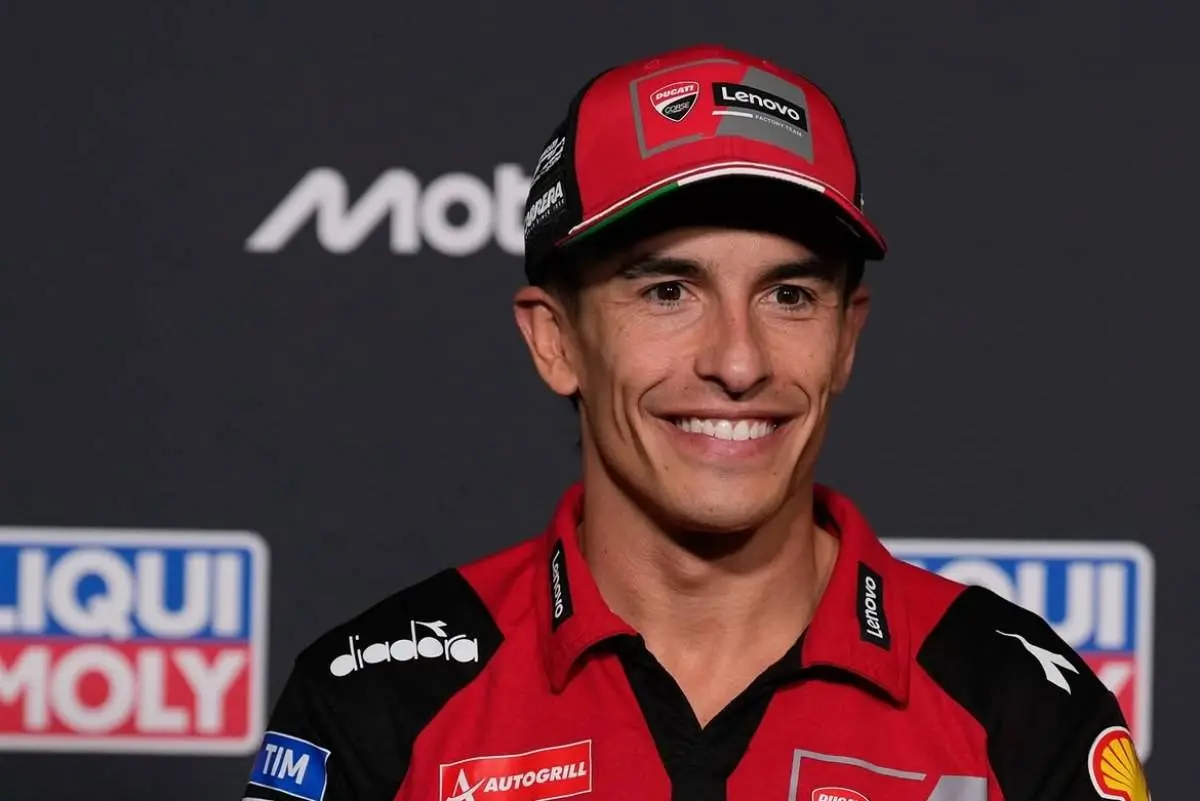
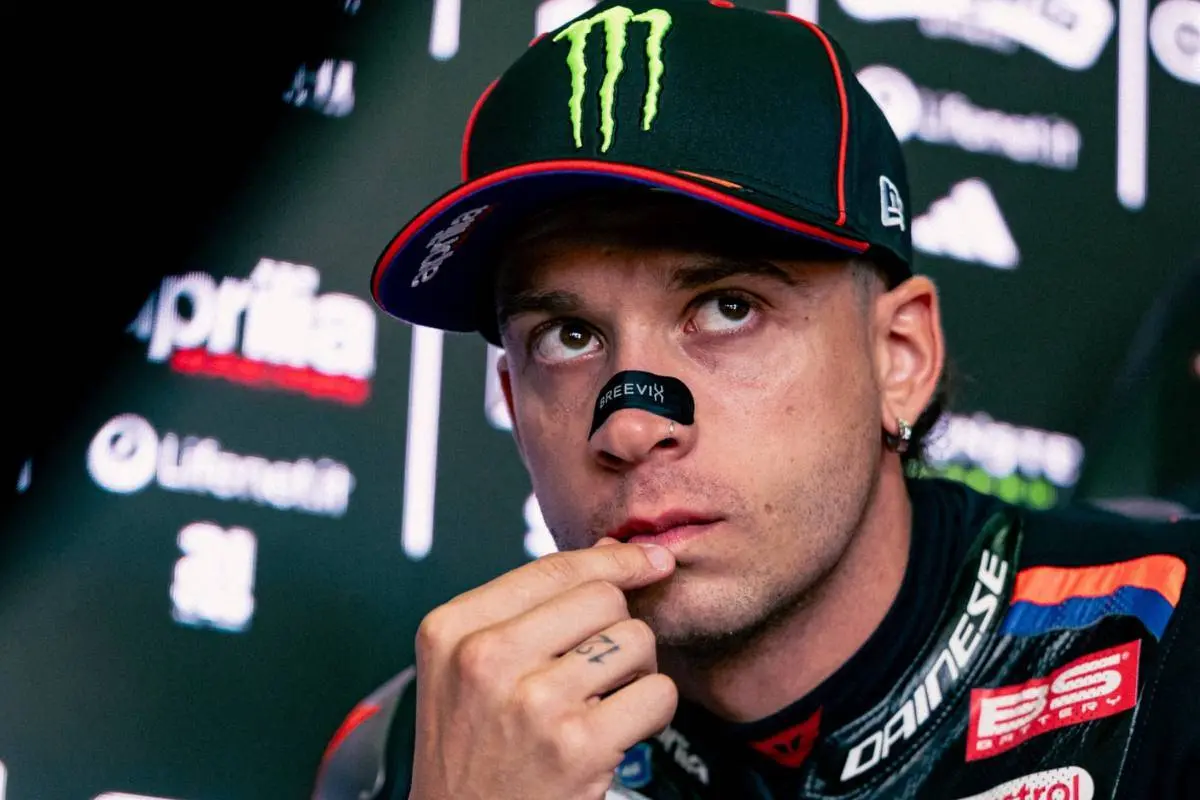
Photo archive: La Voz de Cádiz and Instagram/Ducati Corse
Continue reading
You might also like
More news

Popular articles
Loading