Superbike in Crisis: The World Championship Most Beloved by Fans No Longer Appeals—Here’s Why
Superbike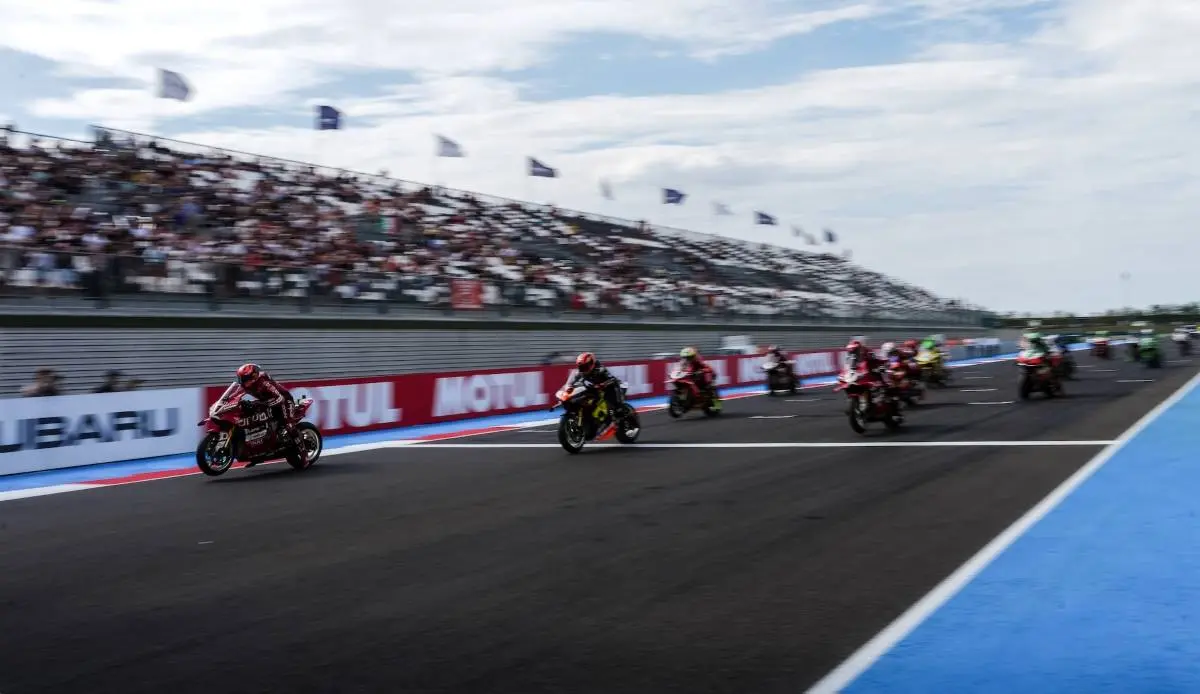
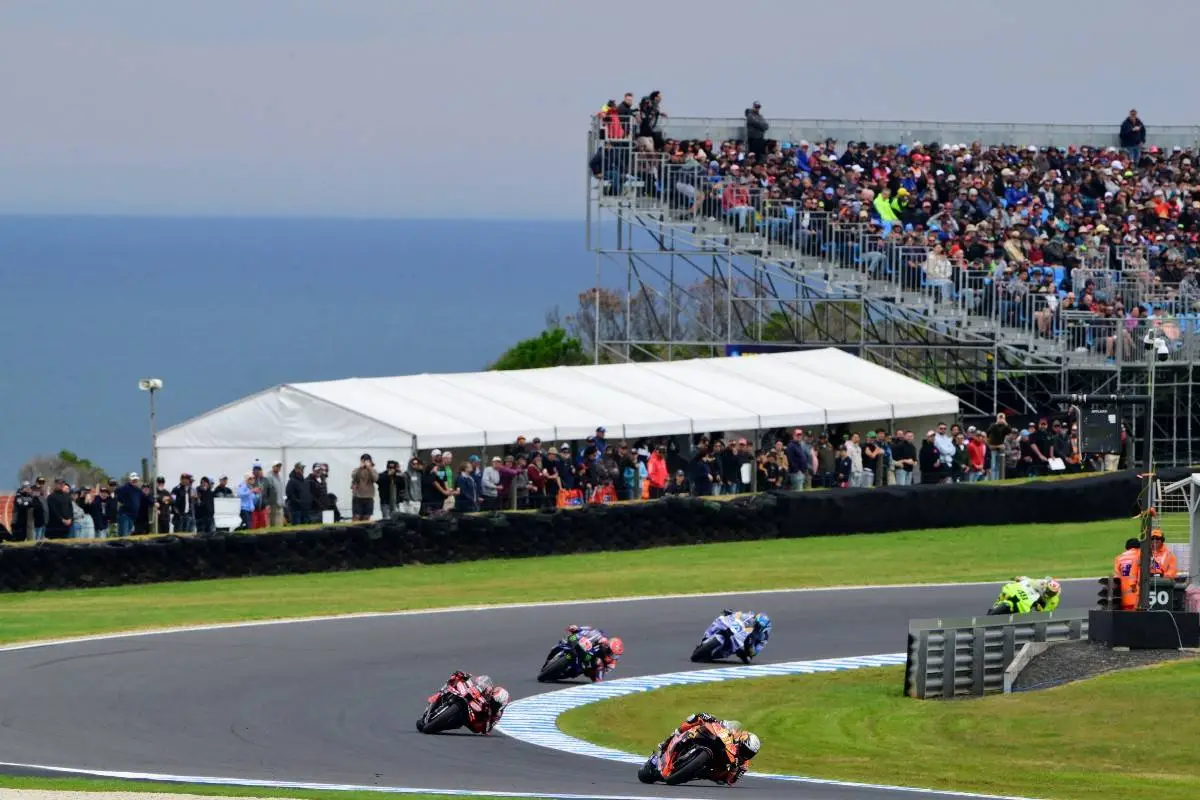
For decades it was the World Championship most loved by the hardcore fans, those who considered GPs something for posers. Now Superbike is deadly boring: there’s no longer a technical contest, the riders lack charisma, and the whole package has completely lost its identity. How do you solve a crisis like this?
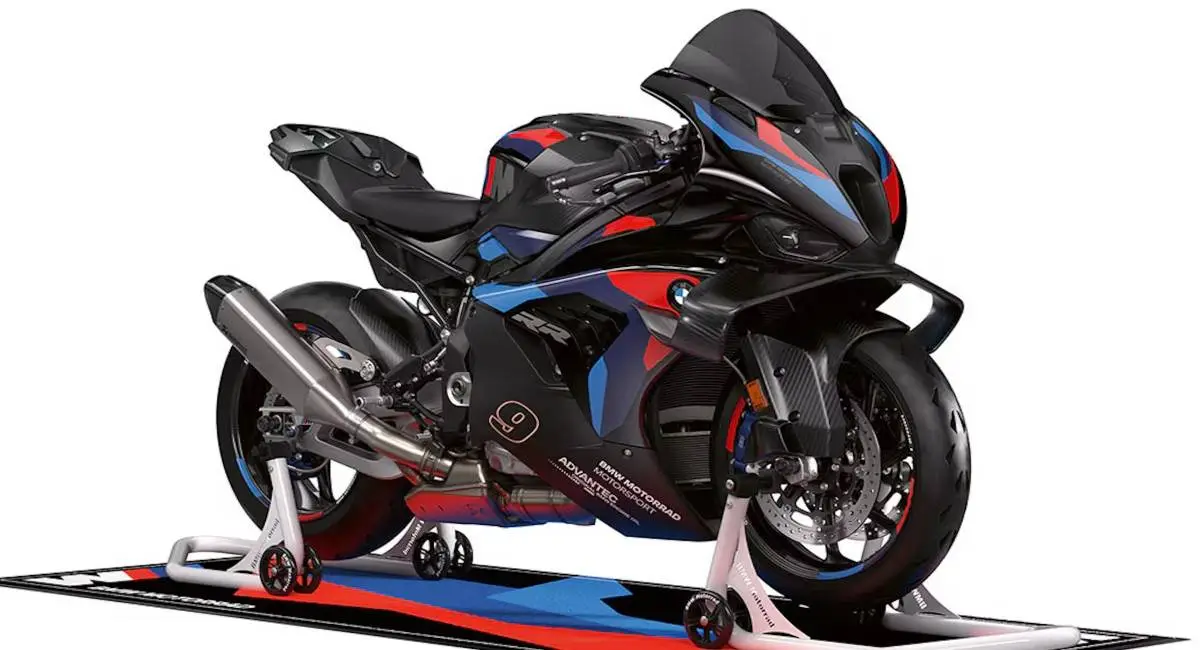
1) Most obvious problem: the Ducati Panigale V4
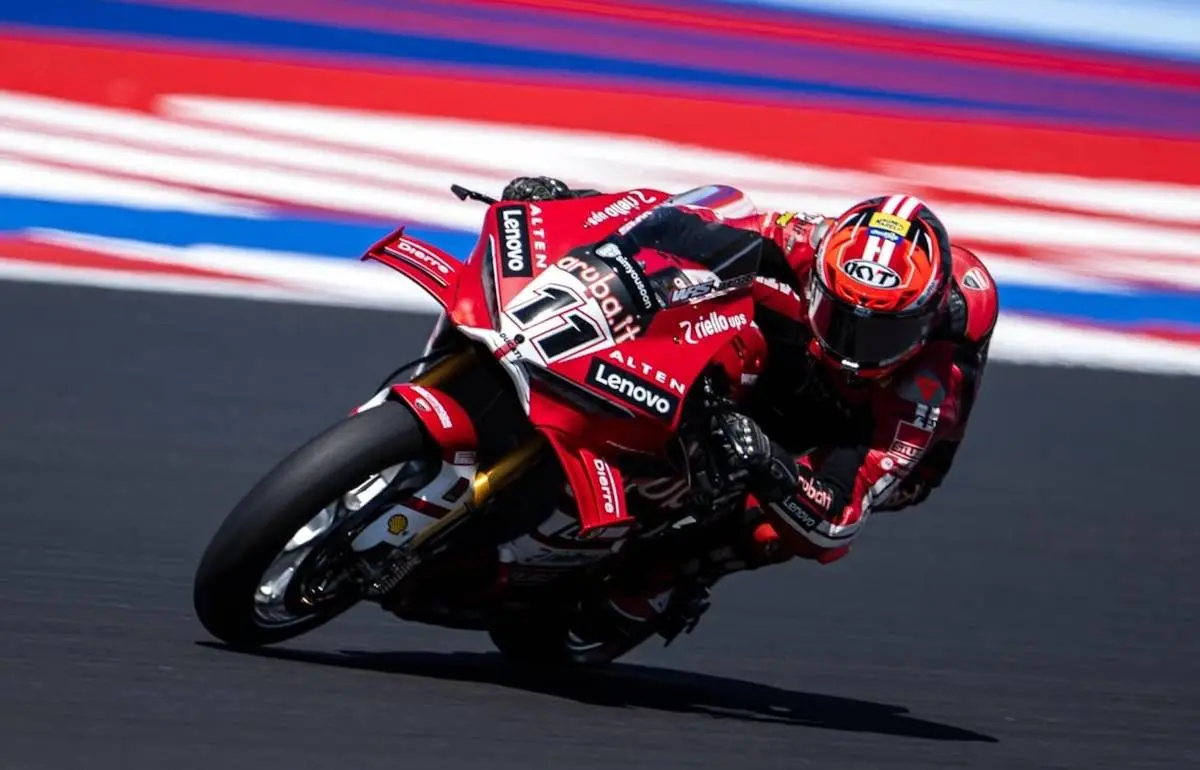
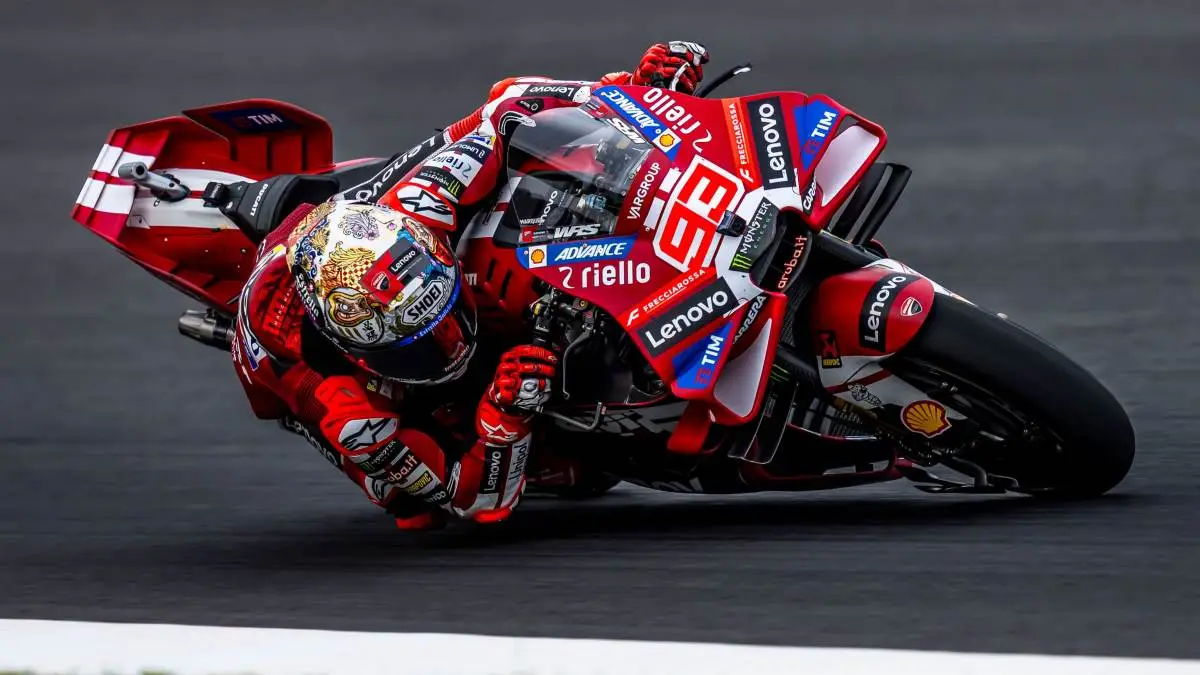
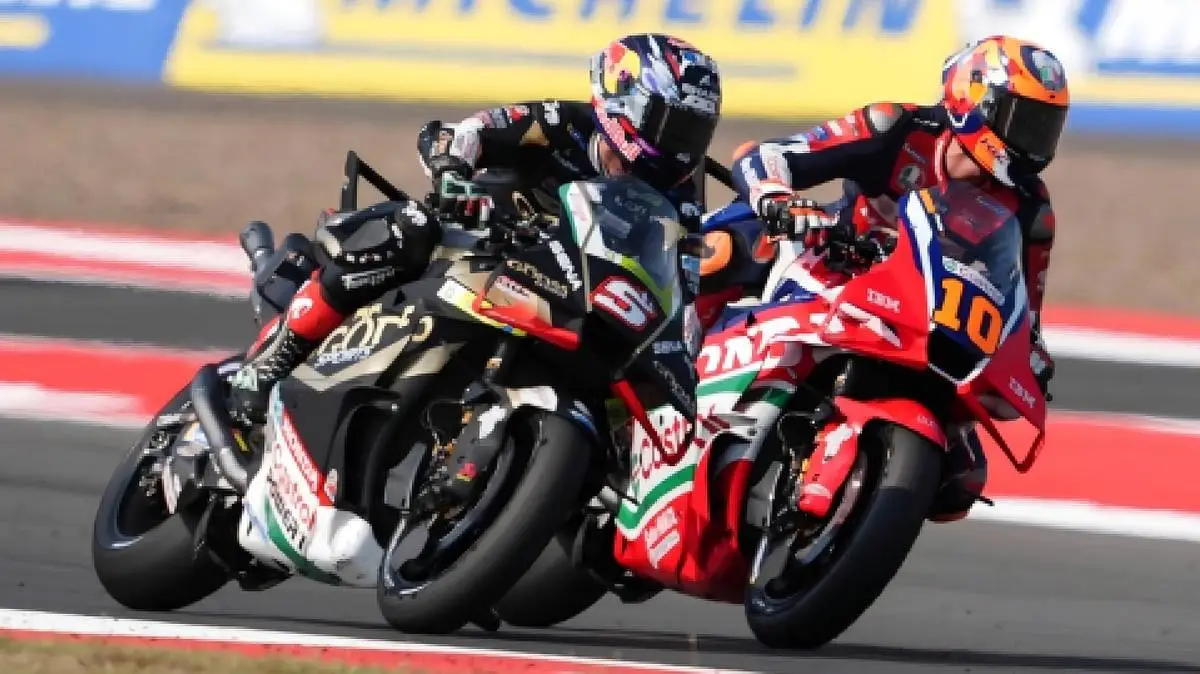
The arrival of the Ducati Panigale V4, a MotoGP bike homologated for road use, has completely shifted the benchmarks, cutting the rivals out. Last year its superiority was masked by the particular alchemy of the Toprak Razgatlioglu–BMW package, but Nicolò Bulega still fought until the last race, losing the title by a handful of points. Third place almost always finished miles behind, over 15 seconds down in 80–90 km races. The Turk’s move to MotoGP left BMW without the human factor that had leveled the playing field. In this 2026 season Ducati has won every race, often placing 5–6 bikes at the front, including the privateer Panigales. In the standings the first non-Ducati is Alex Lowes’ Kawasaki-powered Bimota, 352 points off the lead.
And to think the technical regulations are written to ensure performance balance among all five manufacturers via the fuel flow regulator values, which can change every three rounds. Ducati has been pushed to the limit (44 kilograms/hour) but nobody noticed. Whoever devised this system didn’t factor in that Borgo Panigale would compensate by using a super special fuel with a very high energy value (details here). But there’s more: the series promoter also has the right to trigger the so-called “God rule,” meaning they can come up with any measure they deem useful to keep parity and spectacle high. But evidently nothing came to mind...
Bulega is a pure talent, no doubt. But not even in the eras of Fogarty, Bayliss, Biaggi or Rea—just to name the megastars—did anyone make such a difference. On social media the Ducati line has taken hold, namely “the others don’t win because they don’t invest.” It’s not true: Honda, Yamaha, BMW, and Kawasaki field hyper-official teams; the Akashi brand even supports the technical development of two different models, including Bimota. Shall we talk rider salaries? In 2025 BMW paid Razgatlioglu €2.5 million, ten times what Nicolò Bulega made at Ducati. Now the dominator earns €700,000, but only because last summer the Red team had to prevent him from ending up in Germany. Iker Lecuona makes €150,000, a quarter of Petrucci at BMW, which pays Miguel Oliveira over a million. There’s more: Ducati sells bikes to satellite teams, thus recouping much of the investment, while the others mostly have only the factory team. So: if anything, the opposite is true—Ducati spends less than the others!
2) Superbike: what is its identity today?
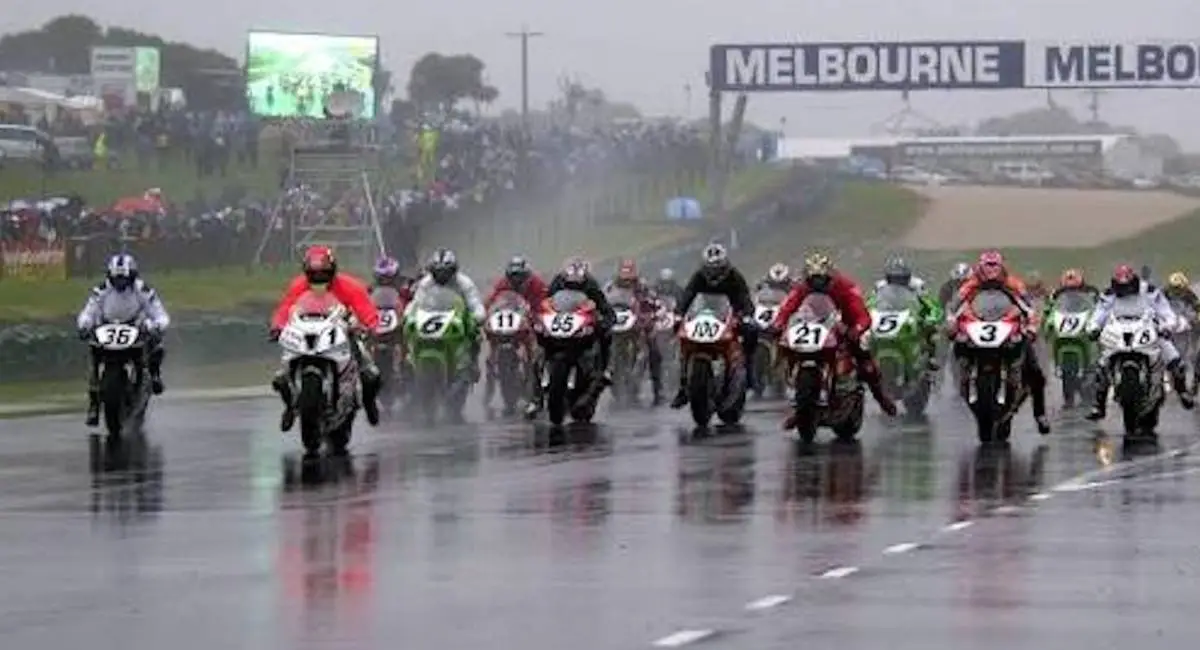
In motorcycle racing history there has always been a production-derived championship alongside the World Championship, sometimes more than one. In the ’80s, just before Superbike was born, there were Endurance and the TT F1 championship, from which WorldSBK originated. Before Superbike, no production-based series was even remotely comparable to the Grand Prix World Championship: they lived in well-defined niches. Instead, SBK, born in 1988, had already become a very dangerous competitor to the GPs by 1990–93. In Great Britain, thanks to the Foggy phenomenon, Superbike was broadcast live on the BBC and had a much higher audience than the 500s. Even in Italy, traditionally a GP stronghold, Superbike in the ’90s became an enormously successful World Championship. So much so that it became a real thorn in Dorna’s side, which had bought the Grand Prix series in ’92. Why this sudden success? It’s not just about technical regulations, the boom of road-going hypersports, or particularly charismatic champions, but about IDENTITY. Superbike presented itself as a “different” championship, the one with “real” riders, with fairing-to-fairing duels to the last corner. An accessible series that allowed fans to peek into the garage and have a chat with the superstars. In short, it filled a void and imposed its own philosophy, a way of living the race weekend at the track, a sense of belonging. SBK, with its Corona vans full of pretty girls and music touring big cities to promote the race, had become a cultural phenomenon. Fans loved it.
3) The poor man’s copy of MotoGP
The purchase by Dorna, the same promoter as MotoGP, in 2013 created a monopoly that coincided with the downward trajectory. The progressive homogenization with the top class stripped Superbike of uniqueness and identity. Everything changed, from the role of the teams to that of the riders, right up to promotional investments, which are now completely absent. A small example: the role of the protagonists. Fogarty, Bayliss, and even those who never won titles like Pirovano or Haga, became icons for fans. They spoke up, told their stories—anecdotes, scoops, controversies flourished. In short, there was never a shortage of “material” to build compelling stories. Now think of Nicolò Bulega: he’s an exquisite talent, but can you recall a single line he’s said that stuck with you?
4) Is Superbike finished?
The moment, indeed, is very bleak. “I don’t watch it anymore,” “I didn’t even know they were racing” are increasingly frequent comments on social media. So far, in these ten years of monopoly, Superbike has rested on the laurels of brand recognition built in previous decades. Gradually, fans stopped identifying with it, but the momentum kept things going. Now we’re at a breaking point.
It would probably take just a few particularly well-judged moves to rekindle the sacred fire. The problem is figuring out who’s holding the matchbox.
-> Follow us on Instagram too: @Corsedimoto
Continue reading
You might also like
More news
Popular articles
Loading