For many riders, quitting is a tragedy, a kind of descent into hell. No more challenges, rivals, trophies, or limelight.
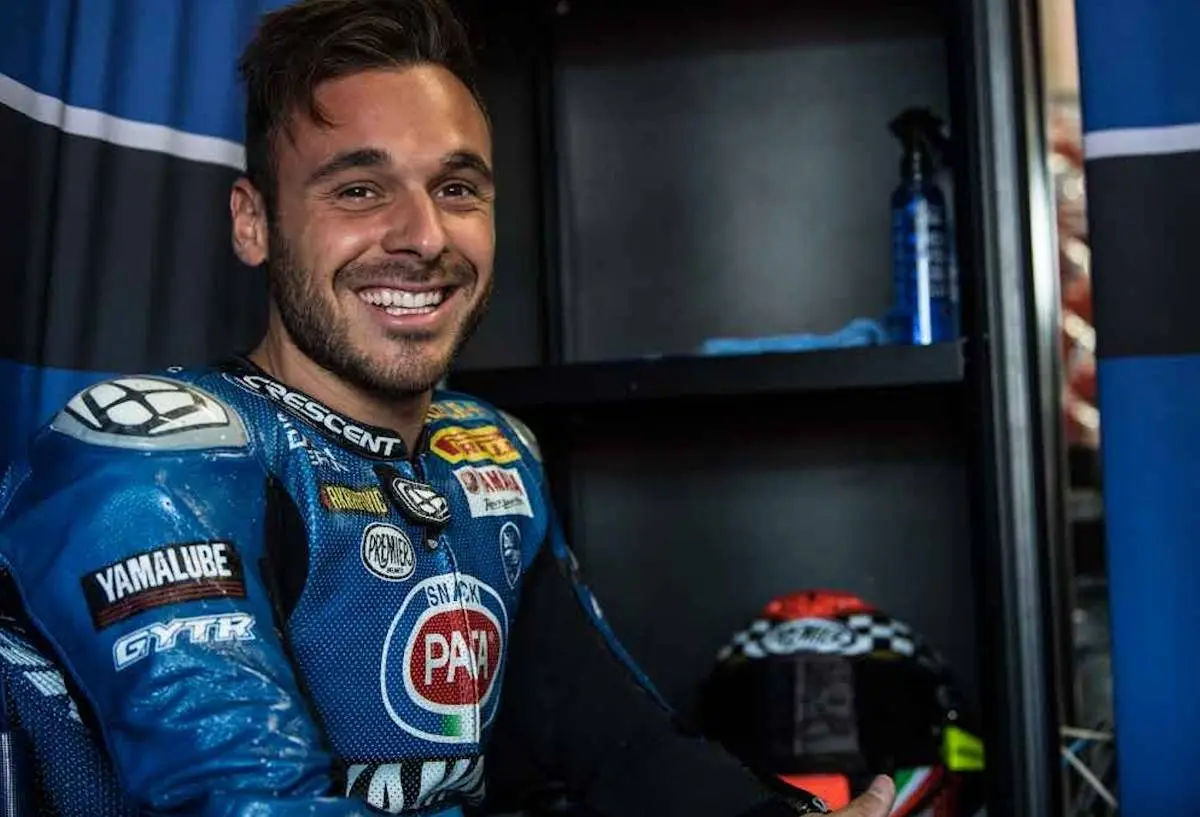
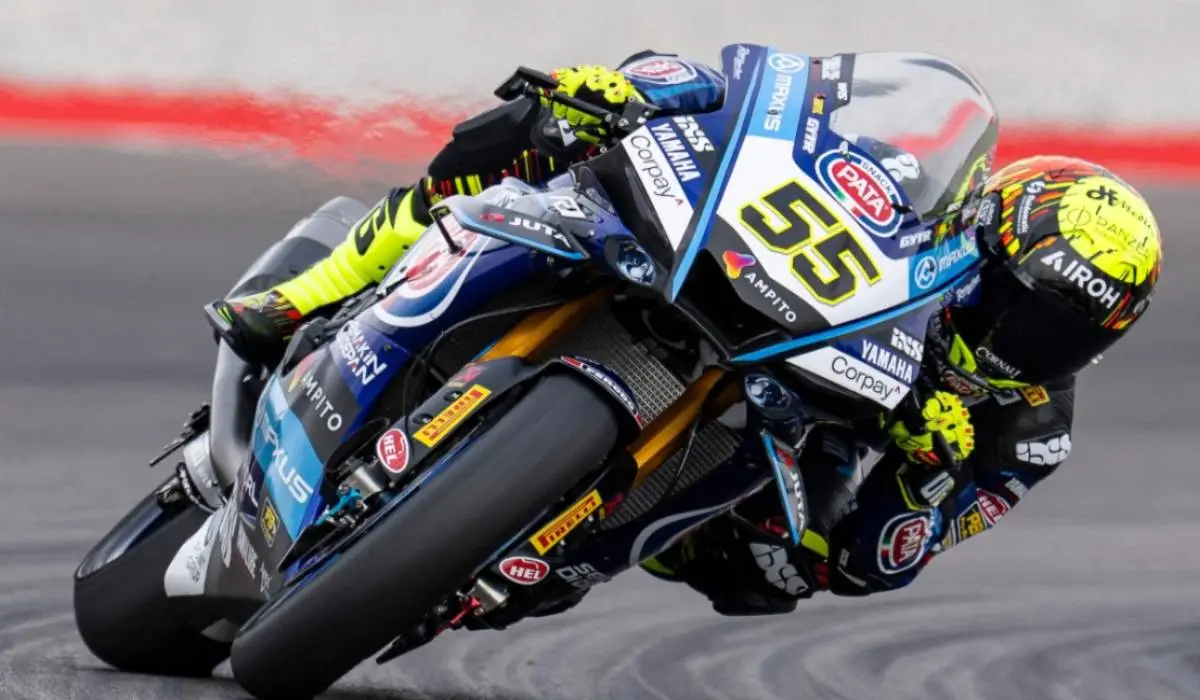
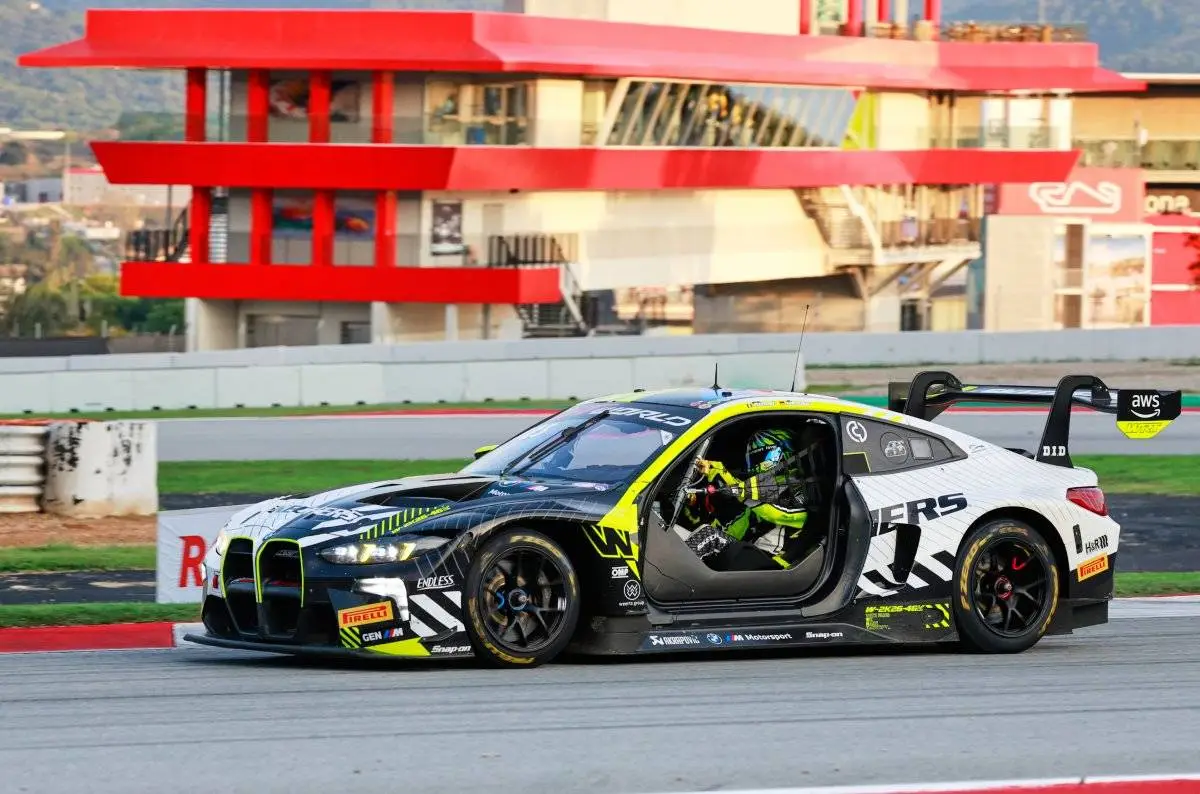
For others, the second life is as electrifying as the first—sometimes even better. Niccolò Canepa belongs to this second breed. He stopped early, at 37, after winning quite a lot: two World Endurance titles (2017–23), where he’s also the only Italian who can boast victories in the most prestigious 24-hour races: Le Mans, Bol d’Or, and Spa. His trophy cabinet includes a Superstock 1000 World Cup (2007), and he has high-profile experience in Superbike, MotoE, and even MotoGP, with a seventh place as his best result. Helmet hung up for good, this season he became the Sporting Manager of Yamaha Europe—a prestigious role with great responsibility. He debuted by winning a world title as a manager at the first attempt, thanks to Stefano Manzi’s domination in Superbike. His second life has just begun and is already shining.
How did the idea cross your mind?
"It was fairly casual. Over the last 7–8 years I’ve been coaching, meaning I was already making myself available to other riders. That already implied I wasn’t exclusively focused on getting the best out of myself, but on helping others. At the end of ’23 Yamaha made it clear that ’24 would be my last year. It turned out to be the best, because I raced without pressure, without any fear of jeopardizing my future with a mistake. I rediscovered the pure joy of racing for fun. By last November I was fully ready for this transition. For a rider, it’s hard to stop when you’re forced to. But I had the privilege of choosing; I was already mentally prepared."
What exactly do you do?
"I’m the Sporting Manager. Now Andrea Dosoli’s role, which for many years was combined, has been split in two. The technical direction is entrusted to Riccardo Tisci, and I’ve taken over the sporting management. So I handle all contract matters with Yamaha riders and teams, and I also maintain relations with the Superbike and Endurance World Championship organizers."
Do you choose the riders?
"In a big company like Yamaha you never make decisions alone. It’s a job I share with Yamaha Europe and Yamaha Japan, but it’s great to be an active part of the whole process. As a rider you don’t really understand what goes on behind the scenes—often you don’t see it and don’t get it. The experience as a manager is completely different."
How much does being a former rider help?
"Andrea Dosoli has always told me that my strength in this role is speaking the same language as the riders; I can communicate as an equal, and they respect me. I’ve shared the track with many of them; everyone knows I raced and that I also won. It’s not easy to talk to riders. I’ve lived their life, gone through the same psychological situations, so I try to help them in that sense."
2026 will be an important year for Yamaha…
"Andrea Locatelli fought for third place in the World Championship, then it slipped away. After many years with Yamaha (six, ed.) he needed new motivation. The arrival of Giulio Nava (ex-Ducati, ed.) as crew chief gave him a jolt; I saw Andrea very motivated in the Jerez tests last week. He needs to take another step forward in his development. He’s been our lead rider for the past two years as well, even though the presence of Jonathan Rea in the team was significant. The results spoke for themselves. He earned the role of lead rider on track. Nava’s arrival is a step forward to bring Andrea consistently onto the podium."
Now the R1 needs improving: where are you at?
"It’s been racing for many years; it’s a constantly evolving project and we know which areas need improvement. The regulations are also continually evolving. In 2026 we’ll have two new riders, Vierge and Manzi. It will be important to hear especially from Xavi, who’s coming from a different bike (Honda HRC, ed.) and can tell us where we stand."
How are you set up in Endurance?
"We’re coming off a great season—YART won the World Championship; over the last three championships they’ve taken two titles and a second place. They’ve earned recognition, and that means the R1 works well; we’ve found reliability, which is positive because in recent times we’d had tougher seasons. We’ve signed Tati Mercado to join Karel Hanika and Marvin Fritz. I’ve known him for many years—he’s young, fit, a great talent: perfect for endurance. I have high expectations for him."
You’re reigning champions in Supersport. What now?
"2025 was perfect. We arrived with a new bike. It’s never easy to win on debut because you never know where you stand compared to others. We developed the kit for the R9 in-house at Gerno di Lesmo; it was the first time we did everything internally. We won at the first outing at Phillip Island, and from there it was a dream. Now we know we have a bike to win, and we also have the riders to win. Can Oncu, in his first year, showed all his talent—he fought for the title with Manzi; I believe he has a big margin for improvement. We have young riders like Mahendra who, in his second year, can step up. Plus, Alberto Arenas is coming in; he finished Moto2 in exceptional form and has plenty of experience. I could even see him doing well in Superbike."
Will Arenas be the new Manzi?
"In terms of experience, Arenas will be very strong. But Oncu also has incredible speed and talent—he lacked consistency. Manzi had greater clarity in race vision and the awareness of being the best."
Where is Superbike headed?
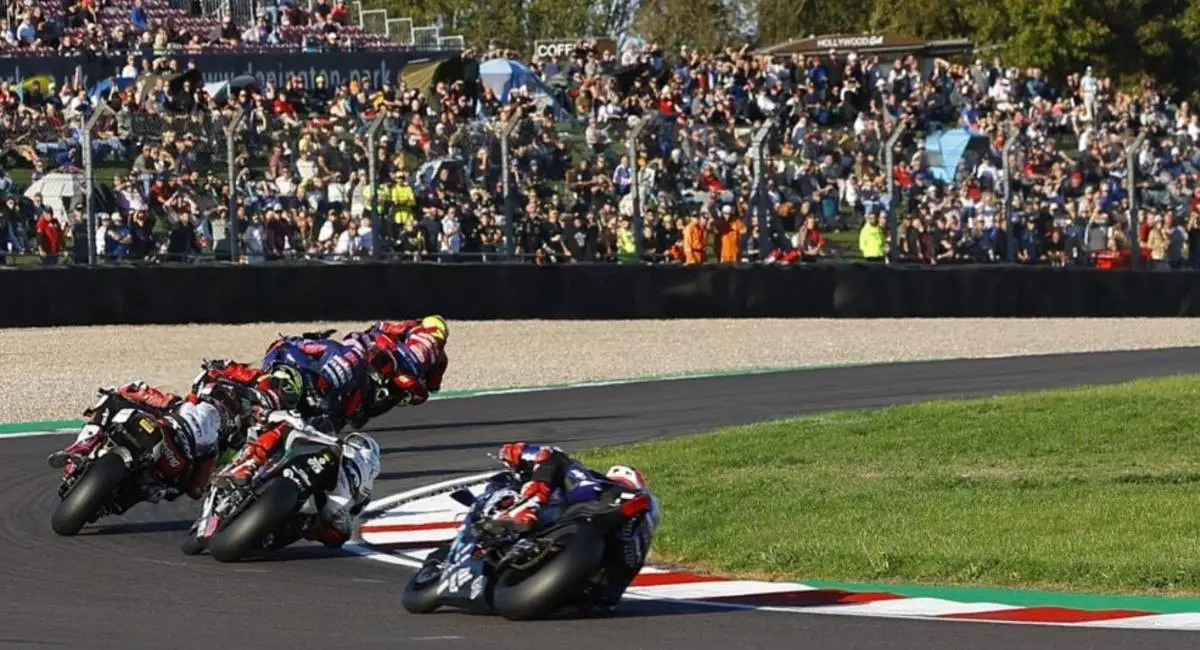
"I think Superbike has recently lived through its best years. In 2021 we had three talented riders fighting for the title: Razgatlioglu with Yamaha, Rea with Kawasaki, and Bautista with Ducati. The battle was wide open, with multiple bikes and riders capable of winning—it was thrilling to watch them fight. We need to get back to that battle. No one likes to see races where someone wins by twenty seconds. Ours is a sport, but also a show. So we need to entertain the people who come to watch us. Yamaha is pushing to go in the Supersport direction: the grid is full, there are bikes with different characteristics and displacements that can compete with each other because there’s a working system that balances performance. I’d love to see the same future in Superbike."
You’ve won the World Championship as a rider and as a manager: what’s the next goal?
"This is just the beginning! There are many goals; I’m very proud of the team we’ve built across Superbike and Supersport, and we’ll try to improve in all areas. There are many challenges to win. When you’re a rider, you arrive at the circuit on Thursday and find everything ready—you can’t imagine how much work goes on back home throughout the year. Yamaha is very committed in this paddock: across all classes, we have nearly 50% of the bikes on track. A beautiful achievement would be to keep the paddock this blue for the years to come."
Read also
YouTube Channel: CorsedimotoTV
Continue reading
You might also like
More news
Popular articles
Loading