The Superbike World Championship got going again with the Jerez tests, without much spark and with plenty of doubts.
Once upon a time, the start of the winter championship was like lighting the fuse: technical innovations, fresh pairings, and high expectations for the season ahead. Instead, over the past few days in Jerez, we breathed a somewhat tired atmosphere. The most recent headliners were missing: Toprak Razgatlioglu will leave the throne vacant, and challenger Nicolò Bulega wasn’t there either; he’ll begin preparations with Ducati on January 21–22 during the next round of testing, again in Jerez. But the real problem is that today’s Superbike is struggling to find new challenges, talking points, and scenarios that can spark enthusiasm.
The weight of a flawed rulebook
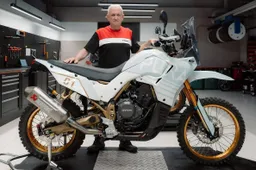
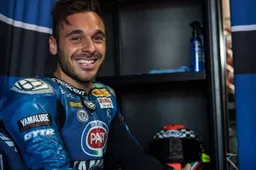
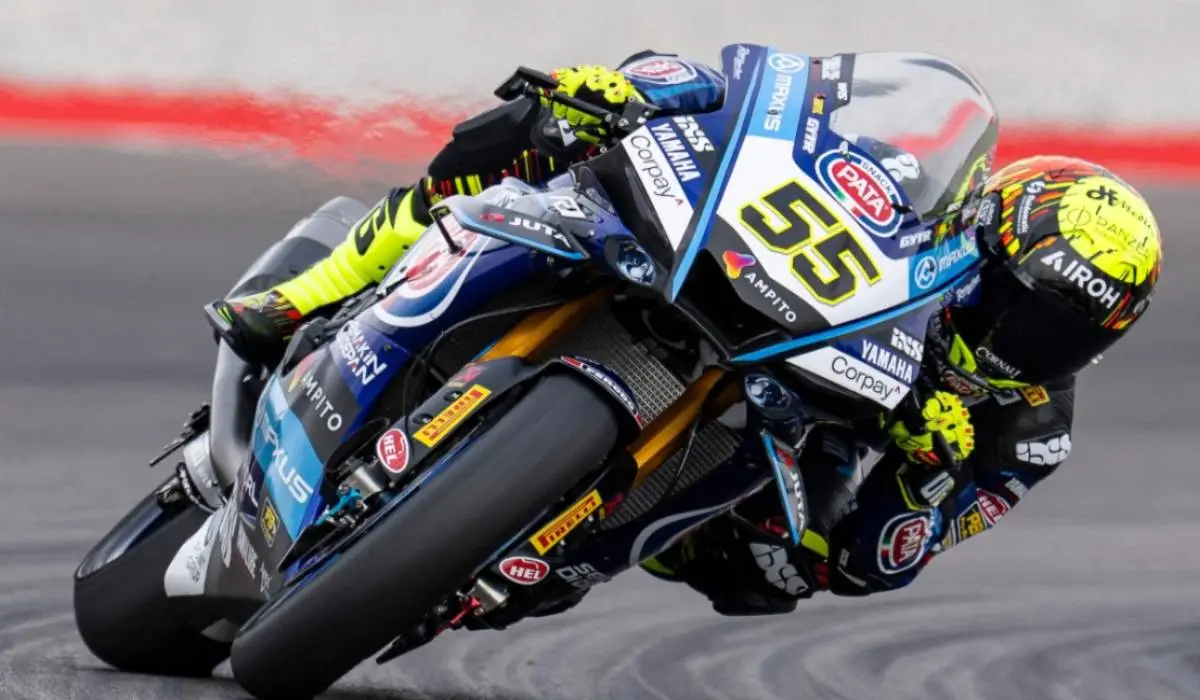
Over the two Andalusian days, three manufacturers were under the spotlight with super concessions: Bimota, Yamaha, and Honda. The advantage in the regulations, however, is theoretical, so the teams keep circling the same old problems without giving the impression they’ve truly found the breakthrough. “We could even add a cylinder, but we’d probably lap in the same times because the YZF-R1’s limits are structural,” a Yamaha technician confided to us. It’s clear to everyone that the rules chosen to balance performance aren’t working. In ’25 BMW and Ducati, the only two without concessions, literally dominated the scene, inflicting enormous gaps on their rivals.
The grotesque situation
They introduced the fuel flow meter, a device that allows officials to reduce the available fuel for models that are too competitive. Total fiasco: in the second half of the championship, BMW and Ducati still dominated while using 1.5 kilograms/hour less fuel than the others. It’s unlikely anything will change in ’26. Ducati with Nicolò Bulega therefore restarts with the sizable advantage it already had: we’re talking 10–15 seconds, not peanuts. To see close racing, we’ll have to hope that Danilo Petrucci and Miguel Oliveira, Toprak Razgatlioglu’s replacements, quickly adapt to the BMW. The Jerez times, slower than Bimota and Yamaha, don’t mean much because neither rider pushed nor used time-attack tires, unlike the others. “We just needed to gather data; the championship starts in February,” they clarified in the German garage.
Lack of momentum
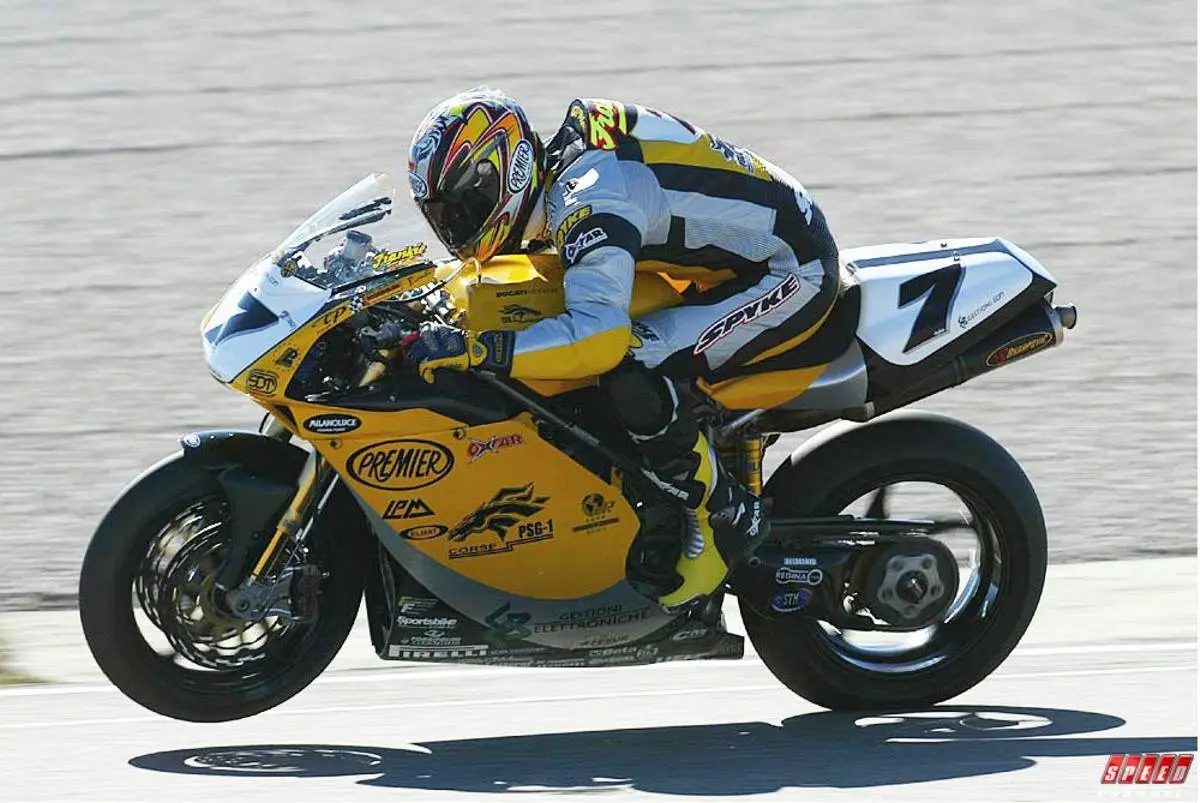
The regulations are part of the problem, but not the only one. The paddock lacks the momentum it once had. Now, for instance, those new rider-bike pairings that used to make people dream are missing. Take Petrucci and Oliveira: no one’s talking about them as partially untapped talents who could aim for their first world title with the M1000RR; the mantra is: “Will they manage not to make people miss Toprak Razgatlioglu?” In 2000, when Carl Fogarty was injured in Australia and had to leave the championship and racing, he was replaced by the relatively unknown Troy Bayliss. But no one wondered whether he would be up to his predecessor— a four-time world champion and, more importantly, the catalyst for global interest in Superbike over the preceding eight years. Bayliss was immediately portrayed for what he was: an aggressive, hungry rider who quickly stepped into the spotlight. TB21 became the rising star, and Foggy swiftly became history.
New faces that don’t ignite
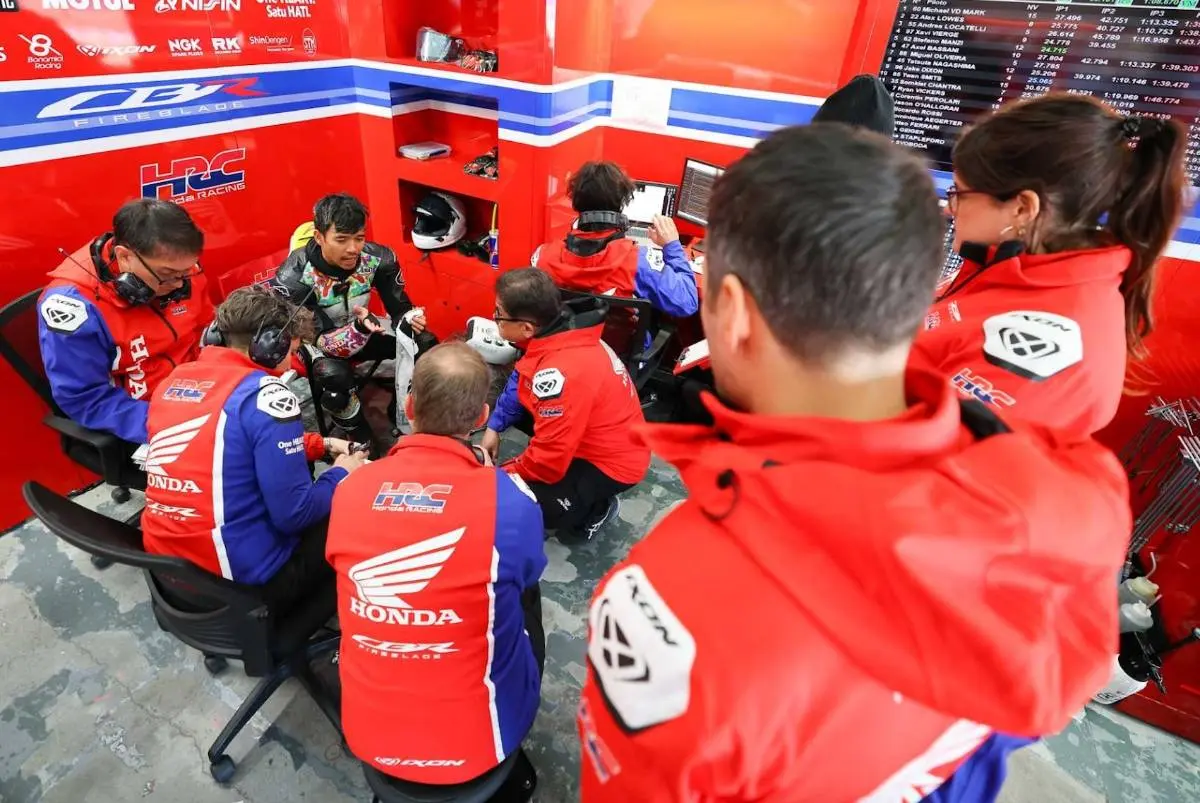
In the old days, every manufacturer—even those that almost never won—had charismatic riders. Noriyuki Haga with Yamaha, Aaron Slight with Honda, and Rob Phillis with Kawasaki never won the title, yet they were wonderful characters with identity, style, and strong personality. Now take Honda: they’ve completely revamped the team, banking on a solid Moto2 supporting actor, Jake Dixon, and on the Thai rider Somkiat Chantra, MotoGP’s tail-ender. Beyond the technical level, it’s not exactly a pairing that makes rivers of ink flow. And from the next test in January, all eyes will be on Jonathan Rea, who on paper should be “just” the tester but, with his six titles and 119 WorldSBK victories, risks still being the most charismatic Superbike rider of all. It’s a championship that, instead of moving forward, keeps looking back.
Continue reading
You might also like
More news
Popular articles
Loading