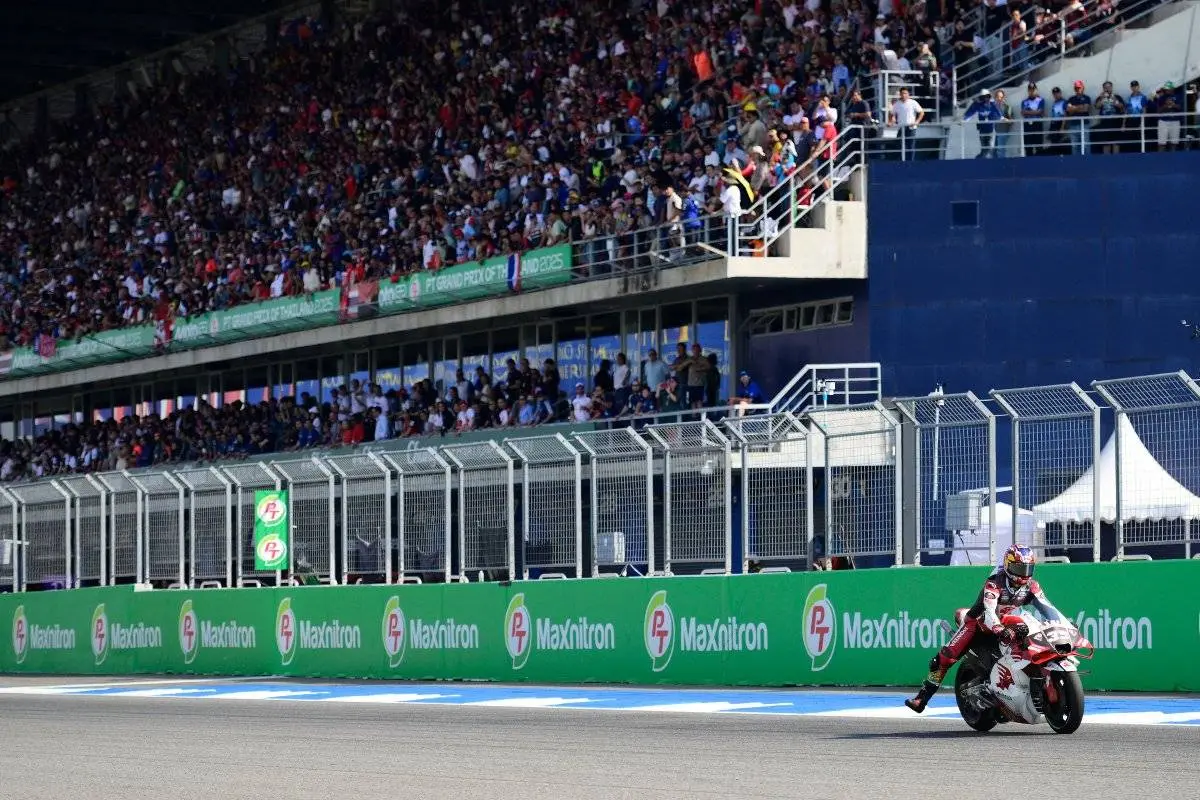
At this moment, Thailand has far more pressing issues than thinking about MotoGP. Nevertheless, whether one likes it or not, the Grand Prix at Buriram—serving as the season opener for the second consecutive year—offers the nation a comprehensive showcase. It generates economic impact and guarantees visibility from every angle.
Moreover, the crowd is always one for the big occasions. The absence of a Thai rider on the MotoGP grid, the home hero Somkiat Chantra, therefore does not in itself represent a major setback. In Thailand, motorcycling as a sport has already entered a new phase.
FROM ZERO TO MOTOGP
The Thai motorcycling movement remains one of the fastest-growing and expanding in the world. Consider that 40 years ago there wasn’t a rider of sufficient level to race beyond national borders. Honda Thailand organized a sort of “casting” to identify profiles to develop, train them in a camp in Japan, and then, within a few years, bring them to compete internationally. We’re talking about 1986: from that kind of reality show, in 39 years they progressed to having a rider in MotoGP. That Somkiat Chantra, also a race winner in Moto2, preceded by other notable Thai successes in motorcycle racing.
PHASE TWO
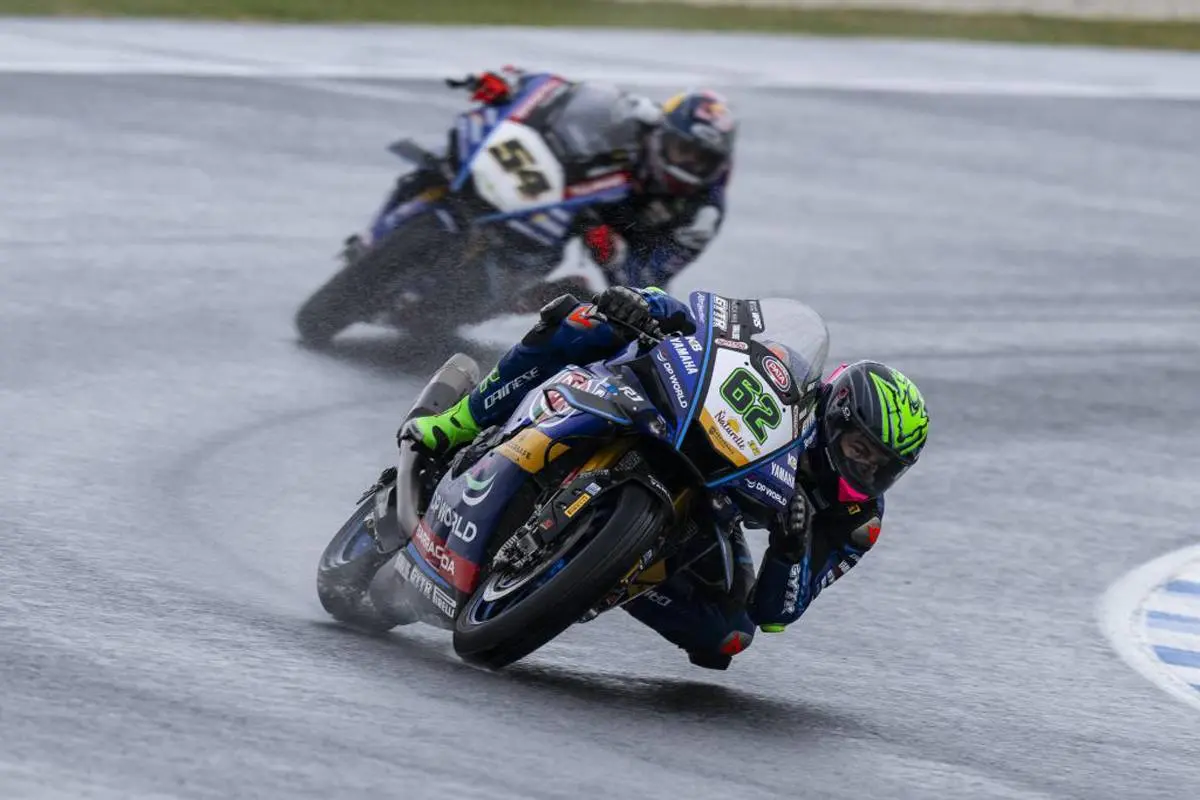
Somkiat Chantra certainly has talent, but MotoGP in 2025 was something bigger than him. Superbike, especially with an official seat in the factory Honda HRC team, is therefore not a step down. It’s an opportunity for him and for the entire Thai motorcycling movement, considering that Honda Thailand has effectively become part of HRC’s plans.
NOT JUST RIDERS
Until now, for commercial reasons (clearly, scooters sell by the millions in Thailand), Honda and Yamaha have sought to develop Thai riders for brand image; now the target is more ambitious. Together with HRC, Honda Thailand has not only entrusted two of its riders (one is Chantra, the other is the national Motocross Champion who will race in the All Japan JMX 2026), but also technicians. Here’s where phase two comes into play: nurturing young mechanics, technicians, and engineers within the elite of motorcycle racing, demonstrating that motorcycling offers job and career prospects. In short, embedding this sport in the local fabric. As happened in the Old Continent in the postwar period, so it is on today’s agenda in Thailand.
Continue reading
You might also like
More news


Popular articles
Loading