Giesse Racing Team, a little giant: revolutionary marketing, extreme challenges, and a hero named Sartoni
Stories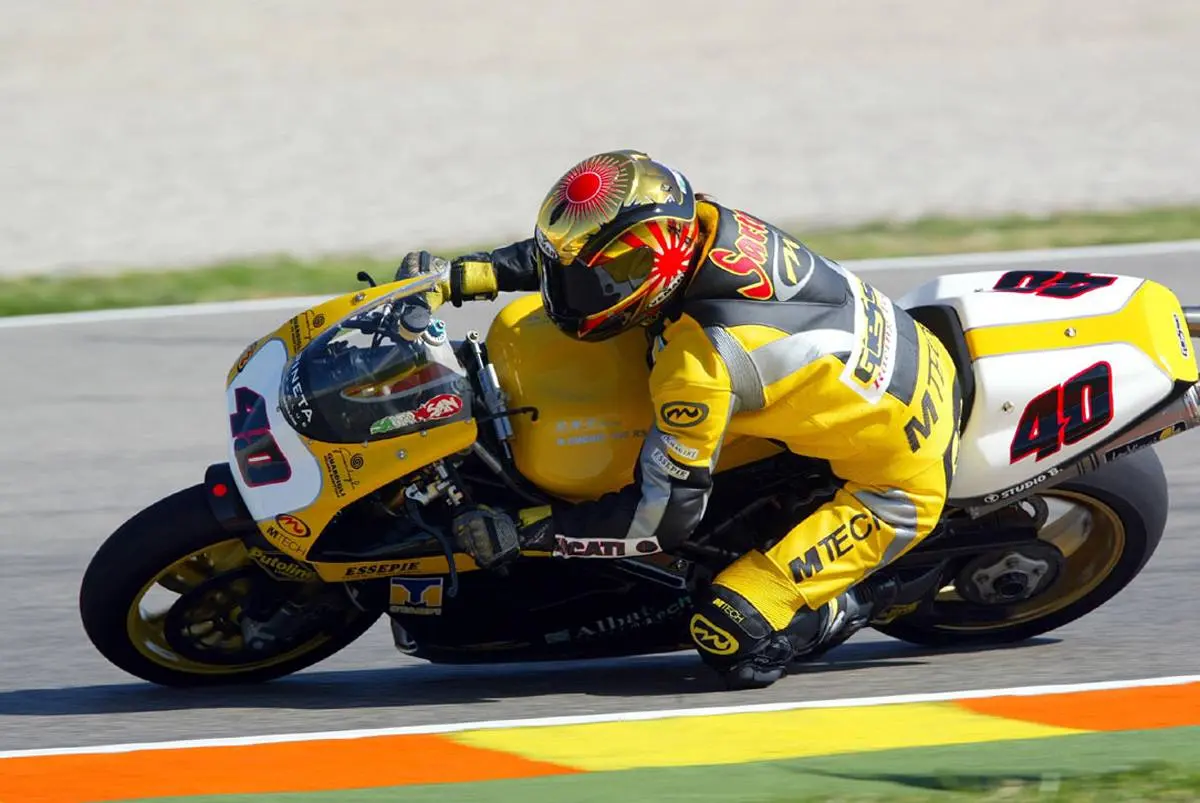
So small, yet so great. The Giesse Racing Team was one of the many privateer outfits present in the Superbike World Championship between the late nineties and early 2000s.
At the head of the project was one man: Giuliano Sartoni, a fighter in every sense of the word. The team was ahead of its time—perhaps too far ahead. They handled marketing in a meticulous way, better than the factory squads. The team was a gem in terms of image. Social media didn’t exist yet, but the team engaged sponsors and fans with initiatives in shopping centers and various venues, set up booths at trade shows, produced videos, CD-ROMs, merchandising... Within the team there was a family atmosphere but also a professional one. The garage was impeccable, as were the bike and the team’s apparel.
Giuliano Sartoni, a true Romagnolo, came to motorcycling at 21 after a brilliant career in martial arts. "In the past I competed in full contact,” he tells Corsedimoto, “I was World Champion and I won 267 bouts out of 271. But my passion was engines. I had a Malanca 125 cc, a very sporty road-going twin. Back then the myth was the 500, so I got a Suzuki Gamma 500 for the road, took off the turn signals, covered the headlights, and went racing, shining at Magione. Those were the years of Bontempi, Migliorati... The level was very high. I wanted to keep going, but there was no money, so I sold the 500 and went back to the 125. I worked my way up and in 1999 I made my debut in the Superbike World Championship. Initially I raced for other teams, then in 2001 I started my own: the Giesse Racing Team, with which I raced in the World Championship, although not doing every round, and I did various wild cards in the Italian Championship."
Rider, team principal and manager
"I believe I was the only one to race in the Superbike World Championship with my own team, truly taking care of everything by myself. There were riders who raced for family teams, but in my case it was different: I handled everything and then got on the bike and did what I could. I took care of sponsor scouting, marketing, logistics, staff management—everything. I still remember when we had to go to a race in Spain with the truck, but the French borders were closed because of the ‘mad cow’ situation. I had to organize the trip by sea and it was an ordeal. Then once there, I unloaded everything, got on the bike, and did... what I could."
The level was very high
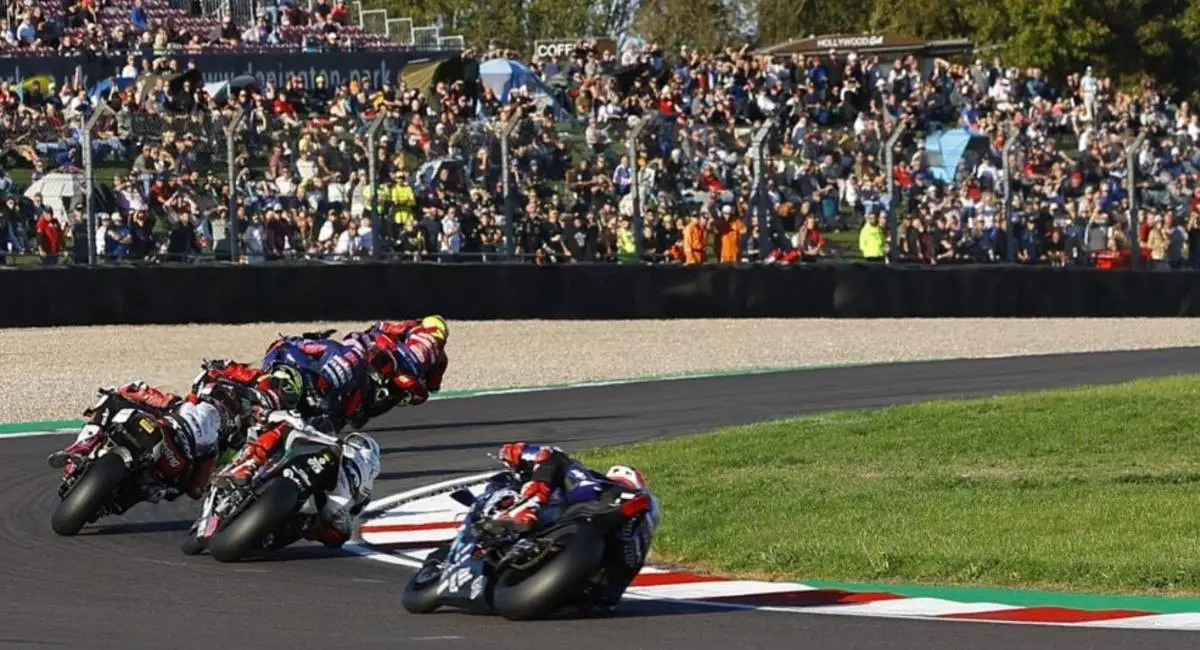
"In the early 2000s there was no single tire supplier—there were different tires and there could be as much as two seconds between one and another. Then there were various factory bikes, and clearly the gap between factory teams and true privateers was huge. There were many more bikes than today and the 105% limit, so just managing to race was a real success. I remember a Superbike World Championship race with 46 entries for 36 grid spots. You risked your neck just to qualify. You had to give it all, even more, just to be in the top 20 or 30. The bikes certainly didn’t have today’s electronics. Now there are many riders within a few tenths, whereas in my day we talked seconds. Plus there were two races on the same day. I think now it’s a more physical sport, but everything is much more level: the single tire supplier made the difference."
The accident, the team with Romboni, and the final word
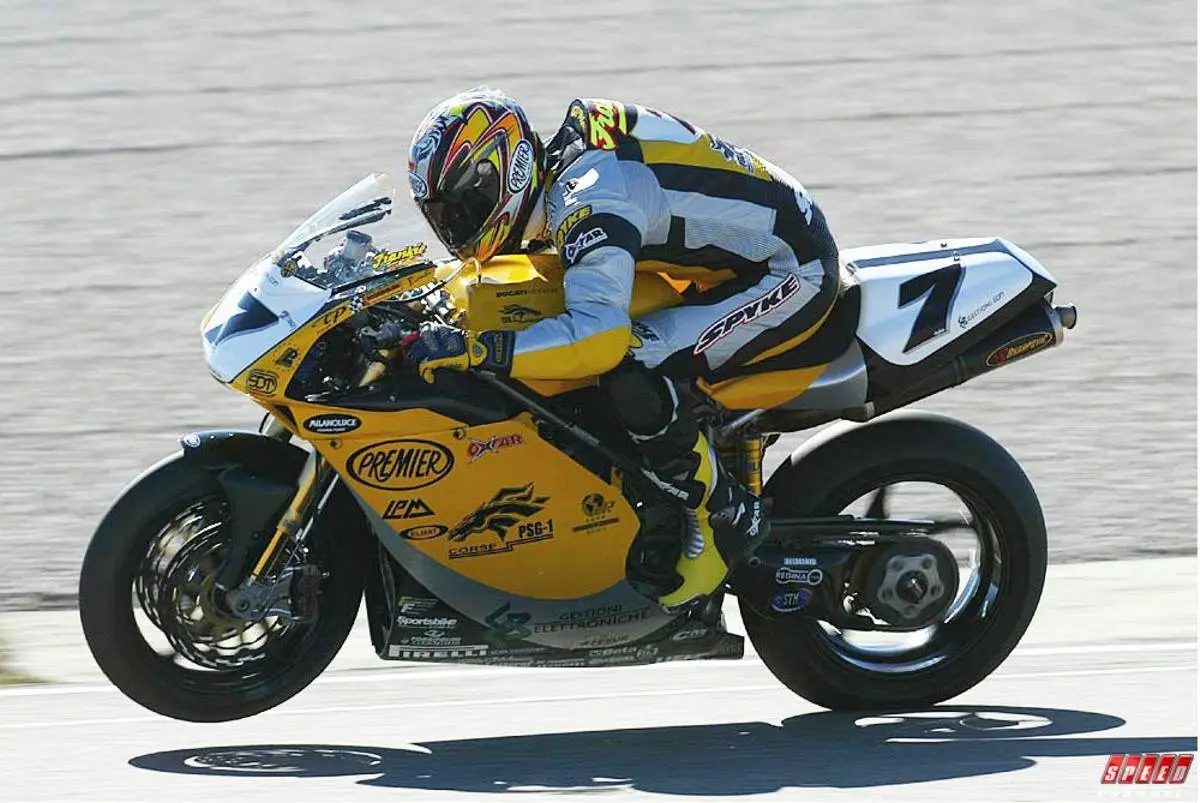
"On October 6, 2002, I was the victim of a serious accident in the last round of the Endurance World Championship at Vallelunga. I suffered six fractures to my tibia and fibula, broke three ribs, the humerus, the scapula... I tried to get back on the bike, but it was impossible. I did a test, but after a few laps I realized I didn’t have the necessary strength in my left arm. And so I said enough, for good. I stopped as a rider and dedicated myself full-time to being a team manager with Doriano Romboni and Matteo Savini. I had some great satisfactions with both. At first we had Ducatis, then we switched to Yamahas for purely economic reasons: Ducati’s costs were too high. Later I left Superbike, worked in youth championships, and among the riders I helped develop was Samuele Cavalieri. I had various fast youngsters with whom I worked well, and I fulfilled myself as a talent scout. After several years I closed the Giesse team to devote myself to other things."
What do you do today?
"For several years I’ve been the coach at the MMP Racing team. My heartfelt thanks to the owner, Simone Bergonti, a true enthusiast. Among others, we also launched Mattia Sorrenti. This year we’ll have Alfonso Coppola and Filippo Bianchi, two real talents—I’m convinced they’ll give us great satisfaction. I also have an engineering company in San Marino: LucSar. We make special parts for racing motorcycles. Among other things, commissioned by Manuel Puccetti, we produced components for QJ engaged in the Supersport World Championship."
Read also
YouTube Channel: CorsedimotoTV
Continue reading
You might also like
More news
Popular articles
Loading