Michelin favoritism in its final year in MotoGP? The truth explained
MotoGPFriday, 27 March 2026 at 13:45
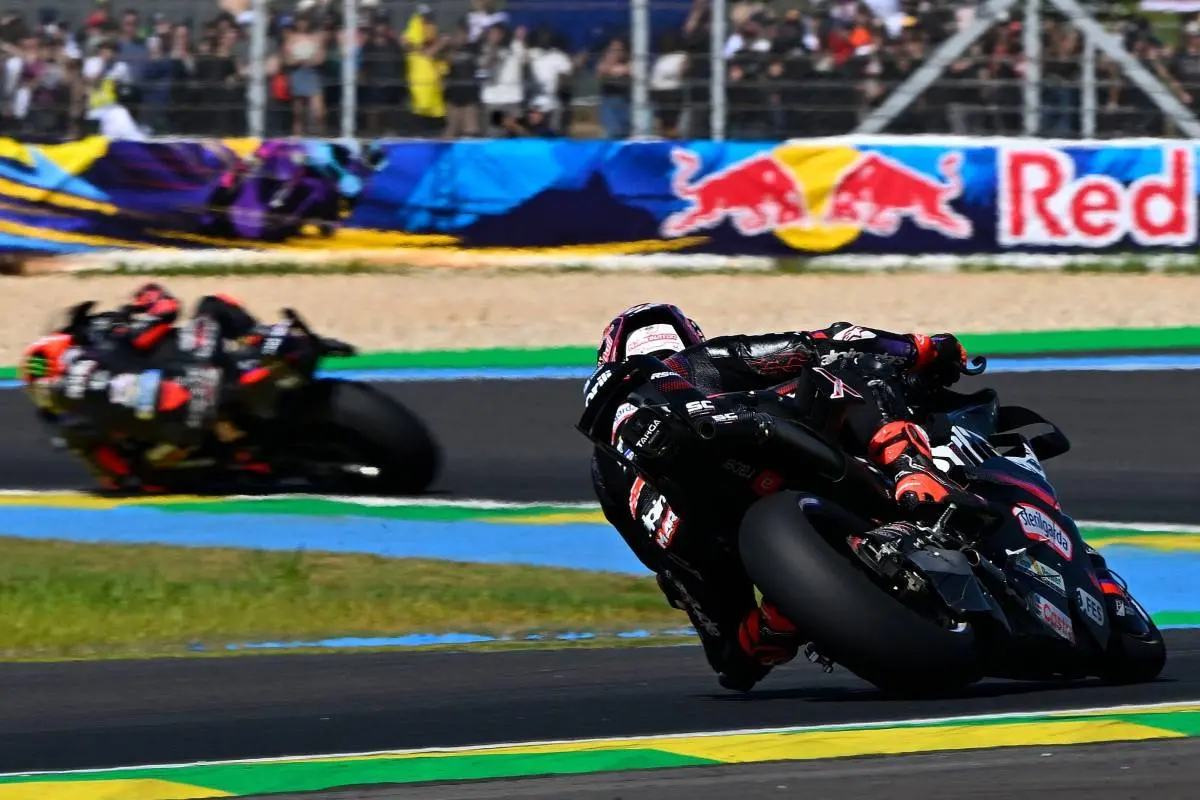
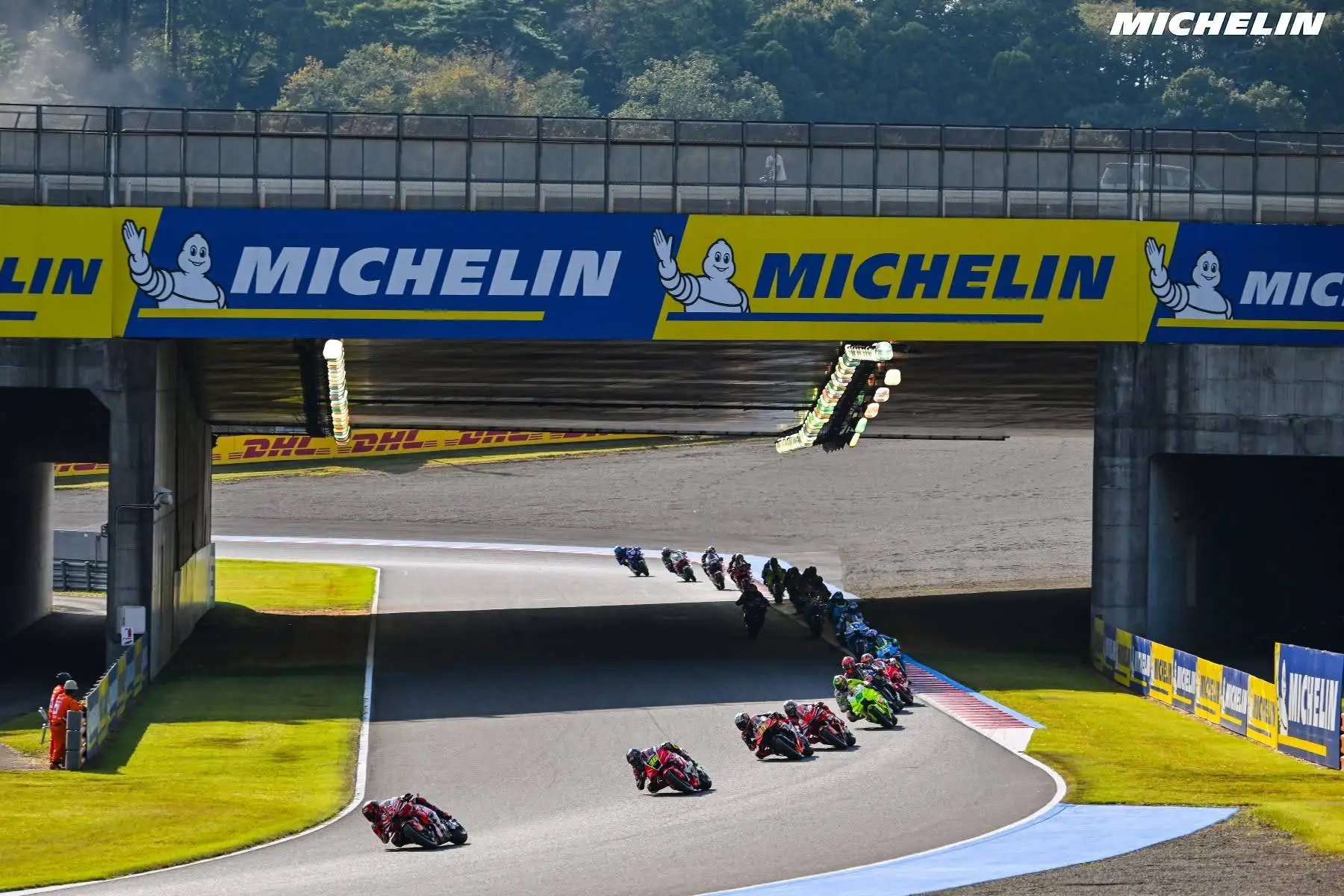
Favoritism, conspiracies, even “special rubber.” How many times has it been discussed in MotoGP? Often inappropriately, almost always without any objective evidence to support these theories. Especially in the single-tyre era from Bibendum (since 2016), all the more so in this final year of a sole supplier for the premier class. Tires have a significant impact on the development and performance of a motorcycle, although the topic concerning the 2026 season is more complex.
REINFORCED CARCASS
This weekend at the COTA in Austin the “standard” carcass will return after the so-called “reinforced carcass” was used at the rear in the first two events at Buriram (test and race weekend) and Goiânia (for the two softer compounds of the three exceptionally available, namely soft and medium). Already seen last year at Mandalika, it was expressly developed (in fact Michelin’s latest evolution: for 2026 there are, by necessity, no new compounds or profiles) for particularly demanding circuits and high temperatures.
THE SPECIFICATIONS
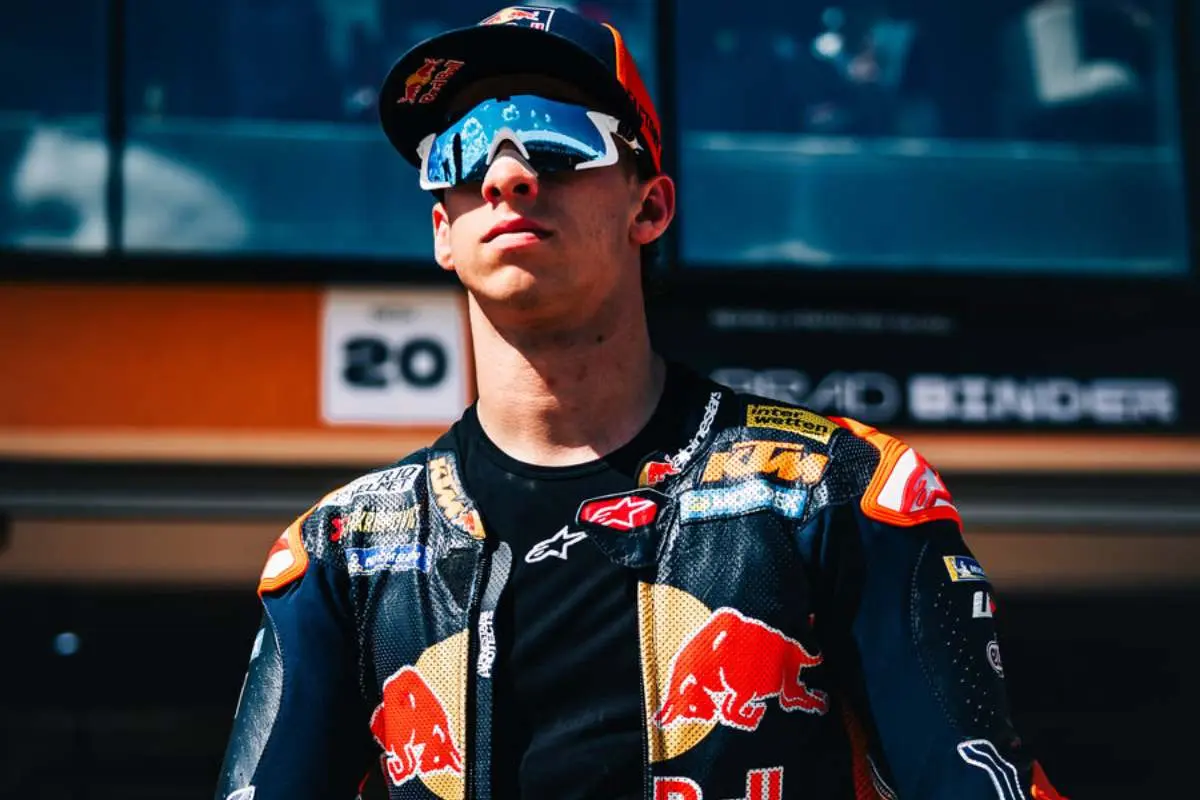
This reinforced carcass makes the Aprilias fly. An objective fact: it was evident at Mandalika last year, and it was confirmed between Buriram and Goiânia. The aforementioned carcass offers a different feeling especially at the edge, with the RS-GP adapting wonderfully compared to its rivals. It’s a bike that also wins with the standard carcass (see Portimão and Valencia), but with the reinforced one it adapts better than the others. After Buriram, Piero Taramasso emphasized that it was actually KTM that adapted best, although we didn’t get the counterproof in Goiânia with the same carcass: the RC16s fell off, with Pedro Acosta even trying the gamble of the soft for Sunday’s long race.
FAVORITISM
Bikes are developed around the tire, and with this carcass, Aprilia soars. We’ll see it again in the Asian races, while starting from Austin the standard one will be back. The introduction of this specification is based solely on technical reasons: it’s the most suitable solution developed by Michelin for certain events on the calendar. That it works properly (see Buriram with 55° track temperature) and is suitable for certain tracks (in Goiânia they went in blind, then encountering around 40° track temperatures) is another matter. There is certainly no conspiracy aimed at favoring Aprilia or disadvantaging someone else. On the contrary: thinking back to the dispute between the parties after Jorge Martin’s crash at the Sepang 2025 Tests, with mutual accusations, Clermont-Ferrand would have very few reasons to want to favor Aprilia specifically.
DECISIVE TIRES
There are therefore no grounds to reaffirm the “conspiracy theory” expressed on social media, but rather a need for Michelin to play it safe. With a reinforced carcass that will no longer be seen in Austin (a decision taken well in advance: tires are produced and shipped a month and a half ahead of time, so there are no “warehouse tires”), which is objectively well-suited to the technical characteristics of the RS-GP26, but not a “special rubber” like in days gone by. Absolutely not. A specification that made the Aprilias fly and gave others headaches. If anything, the topic should be extended to tires from mid-2025 that turned out, according to the teams themselves, to have a stiffer carcass than expected, or to the fundamental reasons for introducing the reinforced carcass for certain rounds. Like Goiânia, chosen somewhat in the dark for obvious reasons not dependent on the supplier, certainly not in Austin where the standard carcass will return.

Continue reading
You might also like

More news
Popular articles

Loading