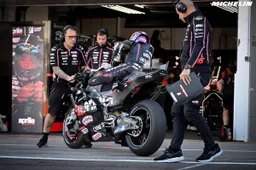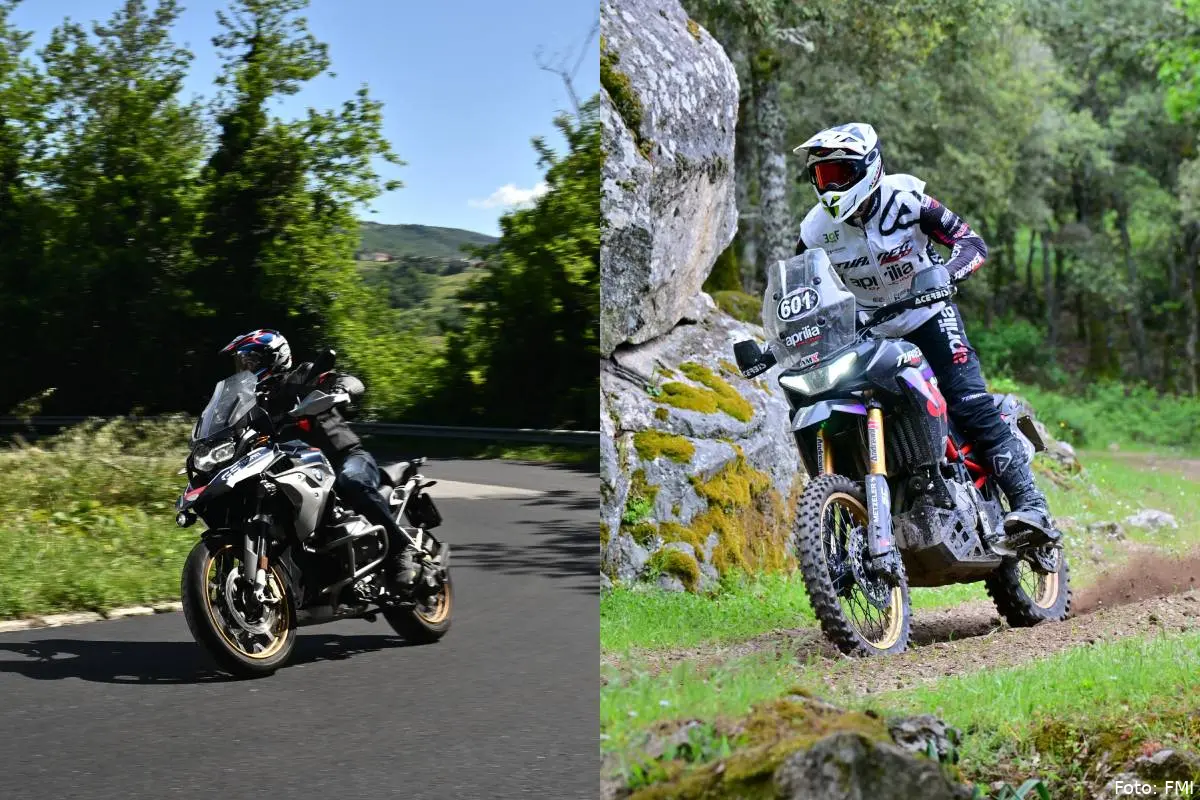
The FMI has published a summary list of the airbag models and types currently approved and registered by the Fédération Internationale de Motocyclisme (FIM). Details
Increasing motorcyclist safety, whether they are racers or road users, is a top priority for the Italian Motorcycling Federation. On one hand, the FMI regularly collaborates with institutions to push for improvements to roads and infrastructure; on the other, it aims to achieve positive results by acting on two additional key aspects:
-> Encouraging motorcyclists to take part in Safe Riding Courses
-> Raising awareness among motorcyclists about the use of passive protection.
On this second front, the FMI—drawing on experience and research in racing—has verified the effectiveness of personal protective systems for riders, both on-track and off-road.
From 2018 to 2024, the Federmoto recorded a reduction in on-track incidents (also due to gradual improvements in facilities and their management) and a decrease in the severity of injuries, attributable to the effectiveness of passive protection. During these years, sporting regulations mandated more extensive and higher-level protection (moving from level 1 to level 2), resulting in a reduction of impact forces that cause trauma.
Airbags: a fundamental tool
Experience gained in the Italian championships has shown that the use of airbags, already required in Speed, when worn with internal hard protectors, offers a further reduction in impact forces; some models also extend the protection area to the hips, shoulders, and neck. This protection is useful in sport but, clearly, also in urban and interurban travel.
Below, the FMI provides a summary list of the airbag models and types currently approved and registered by the Fédération Internationale de Motocyclisme (FIM). The list is based on self-certification by airbag manufacturers in relation to the minimum criteria established by the FIM.
For future updates and more information, we invite you to consult the complete list directly on the FIM website, divided into categories, by clicking here. These categories are not tied to the performance levels of airbags, but rather to their modes and intended uses.
Continue reading
You might also like
More news



Popular articles




Loading