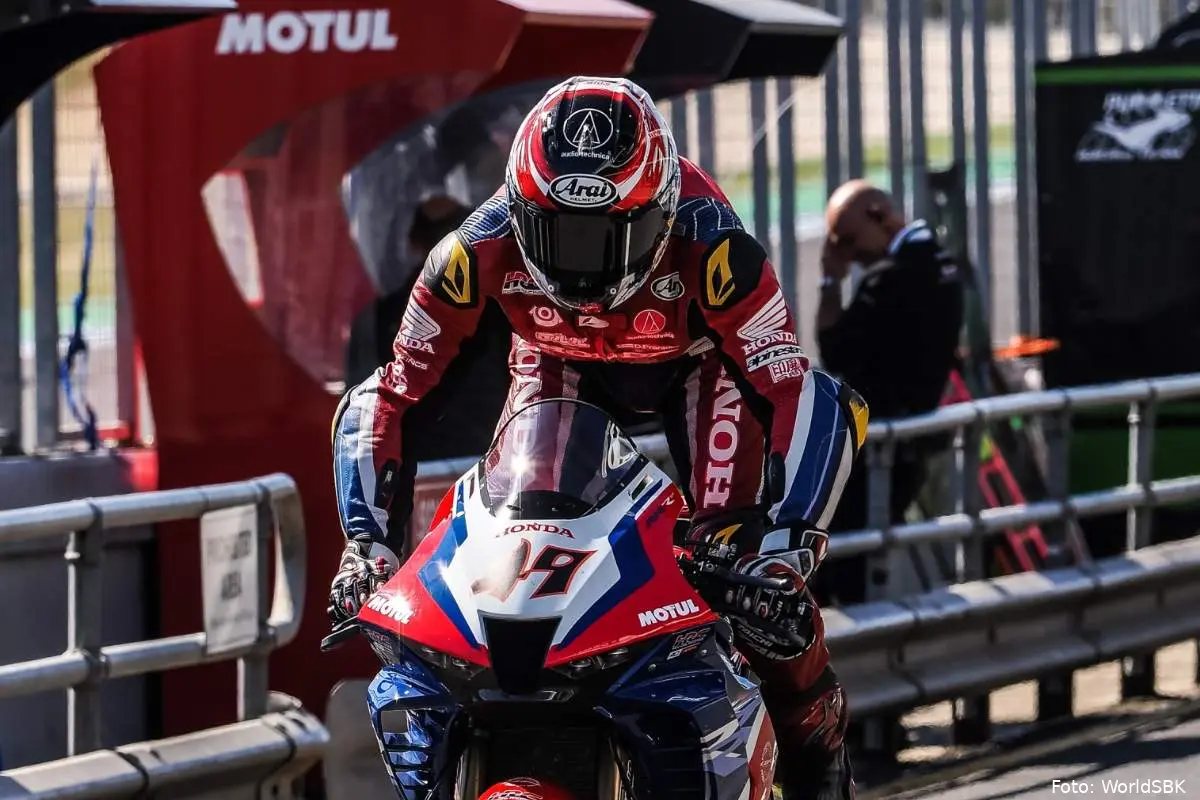
Chris Pike explained how Honda decided to make significant changes regarding the Superbike test team.
Honda claimed its last WorldSBK title in 2007, when James Toseland was crowned champion. In the following years, the only rider to finish in the top three of the final standings was Jonathan Rea, third in 2014, his last year in HRC colors before winning six titles with Kawasaki and returning to wear them in 2026 as a tester. The last race win dates back to 2016, with Nicky Hayden triumphing in Race 2 at Sepang. In the past four years with the Lecuona-Vierge pairing, only 3 podiums have come, the same number achieved by Alvaro Bautista in 2020-2021.
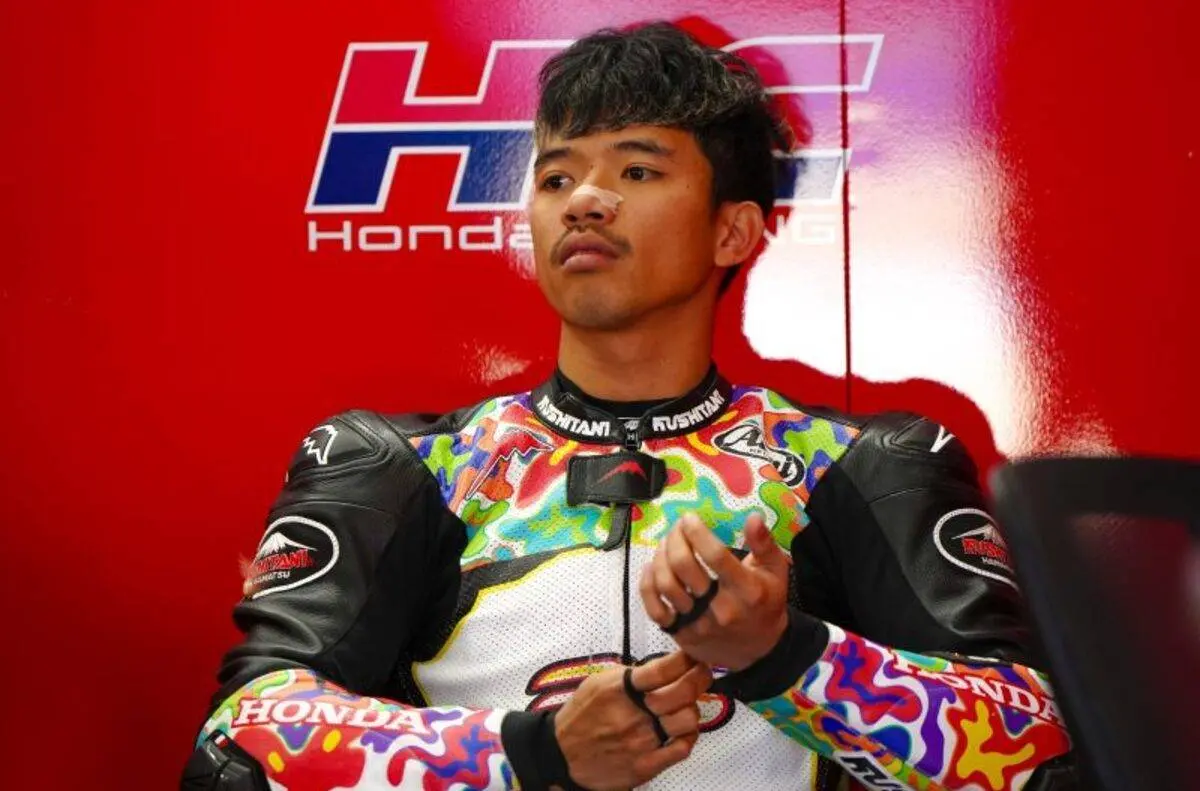
A disappointing record for Honda, which expected better results after putting a brand-new CBR 1000 RR-R Fireblade SP on track in 2020. The bike was then updated for 2024, but without ever reaching the hoped-for goals. In 2026, thanks also to the help of Rea in the role of test rider, the aim is to make significant steps forward. The confirmed Tetsuta Nagashima will also be on hand to help.
Superbike, HRC Test Team: Chris Pike speaks
Having a well-functioning test team is important in World Superbike too, not just in MotoGP. Chris Pike is the project manager of Honda’s test team, and in an interview with Speedweek he explained when the turning point at HRC came: "The idea was born in Cremona with the BSB team in mid-2024. The test team has officially existed since the beginning of 2025, but even today some developments come from Japan and from our branch in England. First we laid the groundwork, and we are currently in a transition phase. We still use many Japanese engineers, but we have a growing number of staff in Europe."
Honda is committed to succeeding in SBK as well, and there is an ongoing process to improve the squad: "For many years the BSB team carried out its own developments," adds Pike, "and had reached a certain level in terms of development capability. But when you step up to the World Championship, you need something more. We are gradually building a staff of mechanics, engineers, and designers; Honda is trying to do this with in-house personnel."
Honda CBR1000RR-R Fireblade SP: electronics and aerodynamics to improve
The HRC test team project manager expects that in 2026 more significant improvements will be produced compared to the recent past, thus reducing the gap to the front: "We are still catching up, but we need to take bigger steps. We have made important progress in recent years, but it is still not enough. For example, we have not developed aerodynamics as aggressively as we should have. It’s an area we need to work on, but it’s not easy with the current Superbike regulations."
Pike wanted to highlight that the work done so far has nevertheless led to progress, even if it’s not enough to fight consistently for the top positions: "At the beginning of this project it was difficult to get grip with this bike, it kept sliding. Since then the problem has become much less severe; we have more grip and the bike is easier to control. We need to catch up in the areas of electronics and aerodynamics."
Superbike, will Honda grow in 2026?
Within Honda the situation is very clear; they know the areas that need intervention to have a more competitive CBR1000RR-R Fireblade SP. The task is to work in the right way to extract all the potential from the bike. A rider with enormous experience like Rea could be a great help in this regard.
It remains to be seen whether the signing of rookies such as Somkiat Chantra and Jake Dixon for the HRC WorldSBK team will prove to be a smart move. As happened with Iker Lecuona and Xavi Vierge in 2022, once again they have decided to bet on riders coming from the Grand Prix paddock and making their Superbike debuts. Only time will tell.
Continue reading
You might also like
More news
Popular articles
Loading