From California to the top of the world: the Muzzy Kawasaki revolution that changed 1990s Superbike
Stories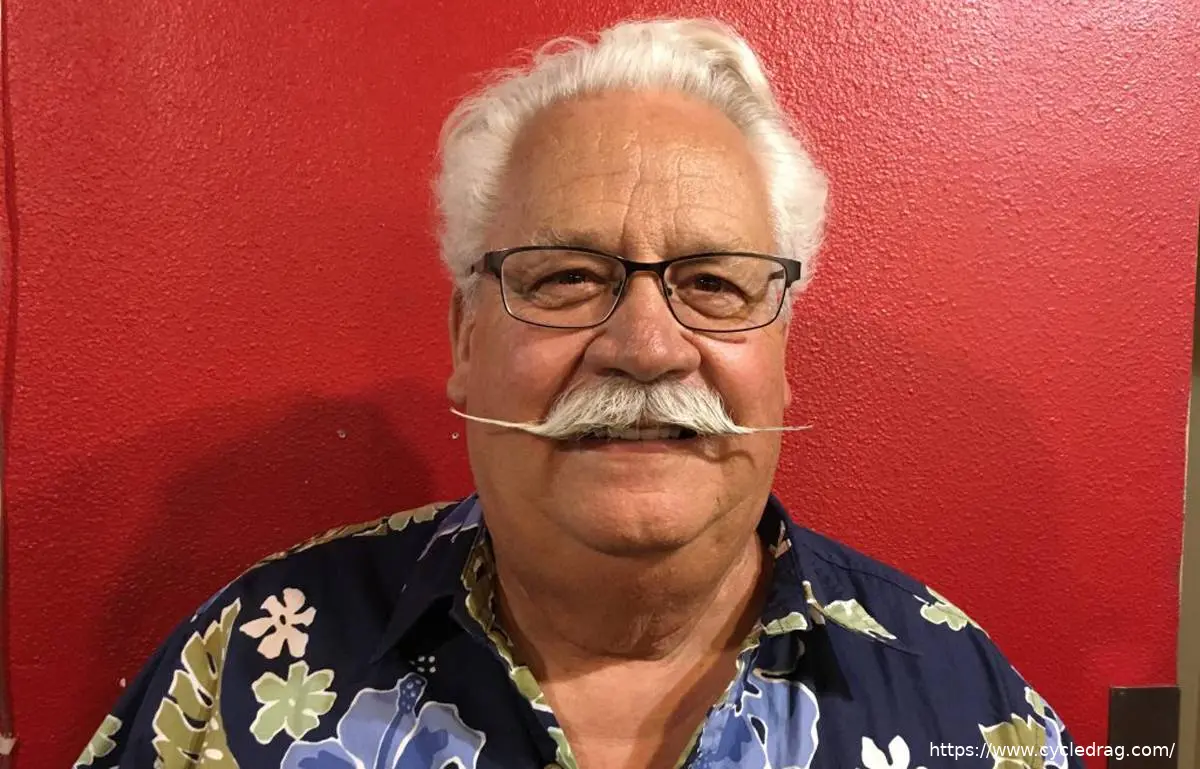
World Superbike in the early Nineties. The paddock was populated mostly by European teams, many of them Italian. Seeing an American one felt strange. Team Muzzy Kawasaki was an unusual presence that changed the balance.
It brought to the paddock a different idea of competition, built on technical rigor, intuition, and courage. Rob Muzzy wasn’t just a builder, nor merely a team manager: he was a deep interpreter of mechanics applied to racing, one of those capable of reading engines as if they were living organisms, anticipating their limits and pushing them beyond without betraying their soul.
His story began long before the international spotlight, in the 1950s, amid the dust and asphalt of Southern California. Drag racing and dirt track were his first schools: raw, straightforward disciplines where you learn that speed demands respect and mechanics allow no approximations. When his riding career gave way to a deeper calling, Muzzy understood that his place was behind the scenes, where victories are born.
In the Seventies he joined Kawasaki as a mechanic and, in a short time, became one of the key men in the racing department. He built and fine-tuned the bikes that led Eddie Lawson and Wayne Rainey to dominate AMA Superbike between 1981 and 1983. Three consecutive titles that told of the perfect synthesis between Japanese discipline and American ingenuity.
When Kawasaki shut down its official program in 1984, Muzzy didn’t slow down. Honda called him as crew chief and, once again, his impact was immediate: the AMA Grand National title arrived, victory at the Daytona 200, a Motocross championship, and the 1987 Superbike title. The rules changed, the bikes changed, but the result stayed the same.
In 1988, in Oregon, Rob Muzzy opened his workshop. Muzzy’s Performance Products was born. It was more a laboratory than a company, a place where engines and exhaust systems were conceived as instruments of absolute precision. Two years later the official team also took shape, with Kawasaki’s support. In 1990 Doug Chandler and Scott Russell finished first and second in the AMA Superbike championship: a strong signal, impossible to ignore.
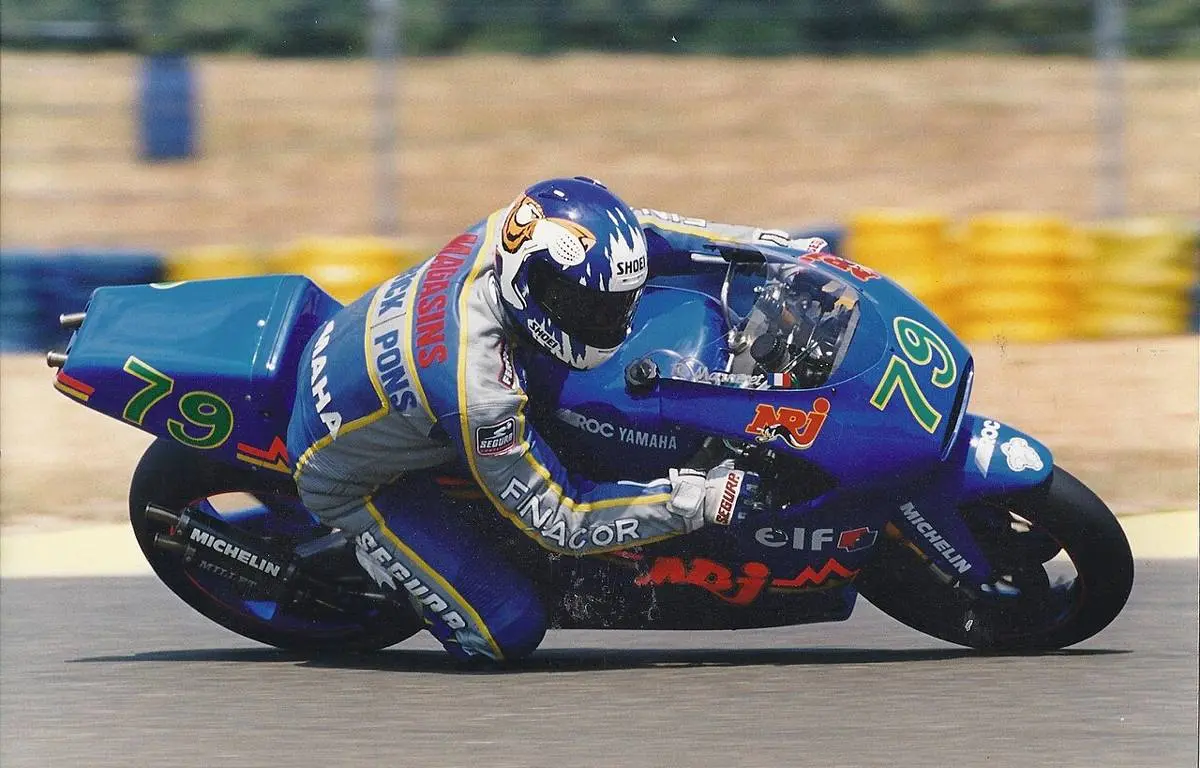
That’s where the call for the World Superbike Championship came from. In 1993 Team Muzzy Kawasaki reached its peak: Scott Russell and Aaron Slight won the legendary Suzuka 8 Hours, a race symbolic of endurance and technical excellence. A few months later, Russell captured the World Superbike title, taking an American team to the top of the world. In the same year, in the United States, Miguel Duhamel won the AMA Supersport championship, completing an unrepeatable season.
The return to the USA was not a step back, but a strategic choice. Muzzy focused on AMA Superbike and kept winning: two consecutive Daytona 200s in 1994 and 1995 with Scott Russell, then the return of Doug Chandler, who secured two AMA titles in 1996 and 1997. Once again, consistency became the trademark.
In the early 2000s came a further transformation. Muzzy shifted his center of gravity to motorcycle drag racing, bringing the same methodical and visionary approach to an extreme discipline. With Rickey Gadson and Ryan Schnitz came new AMA and NHRA titles, confirming an unprecedented versatility.
The tally of a career yields numbers that impress: 21 AMA national titles across different disciplines, a World Superbike Championship, a Suzuka 8 Hours victory, four Daytona 200s. But more than the trophies, the names of the riders who shared his path speak volumes: Eddie Lawson, Wayne Rainey, Scott Russell, Doug Chandler, Miguel Duhamel, Rickey Gadson. Different champions, united by a common thread made of absolute trust.
In 2014, his induction into the AMA Motorcycle Hall of Fame officially confirmed what the paddock had long known. Rob Muzzy didn’t just build winning bikes but a way of understanding racing, where technique is culture and speed a form of thought.
Continue reading
You might also like

More news
Popular articles
Loading